
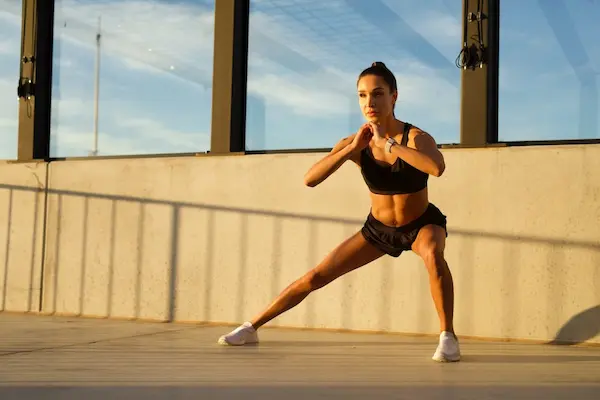
Training with only your body weight can sometimes seem too basic at first glance, yet many of the most effective strength and conditioning movements come from simple moves you can do in a living room workout, a hallway, or even next to your bed, without any reliance on machines, dumbbells, or complicated gadgets.
Choosing workout ways without equipment removes a long list of excuses, because there is no need for a gym membership, no commute time, and no special gear to purchase before you begin, which means you can focus on learning solid technique, building consistency, and gradually progressing your bodyweight training with straightforward changes in sets, reps, tempo, and leverage.
When your plan revolves around no gear routines, your body becomes the weight, the floor becomes your training surface, and each exercise can be adapted to many levels, from absolute beginner to advanced, simply by adjusting angles, range of motion, or how long you spend under tension.
This guide will walk through an exercise library organized by movement pattern, provide clear form cues for each simple move, outline sample living room workout circuits you can follow immediately, and finish with practical progression ideas so you always know how to make bodyweight training harder without needing any additional equipment.
Foundations for Safe and Effective Bodyweight Training at Home
Key Principles Before You Start Any No Gear Routine
- Creating a clear training space comes first, so move small furniture, rugs, or objects that might cause you to slip or trip, and aim for an area at least one and a half times your height in length if possible.
- Checking in with your current health is important, therefore if you have existing injuries, heart or joint issues, or concerns about pain, a conversation with a healthcare professional before beginning intense living room workouts is highly recommended.
- Warming up with gentle movements prepares muscles and joints, which keeps bodyweight training safer and allows you to move through a bigger range without sudden strain.
- Focusing on form instead of speed at the beginning helps you build good motor patterns, support joints correctly, and reduce the chance of picking up habits that are hard to fix later.
Short Warm-Up Flow You Can Use Before Any Session
- Joint circles (about 2 minutes):
- Circle your neck gently, then roll shoulders forward and backward several times.
- Rotate wrists, elbows, hips, knees, and ankles slowly, staying within a comfortable range of motion.
- Dynamic leg and arm swings (about 2 minutes):
- Swing each leg forward and backward with a hand on a wall or chair for support.
- Perform light arm swings across your chest and overhead to wake up the shoulders.
- Easy marching or step-touches (about 1–2 minutes):
- March in place with relaxed arms, gradually increasing the height of the knees.
- Step side to side with soft knees and a small bend at the hips to bring blood flow up a bit more.
Completing this warm-up before your workout ways without equipment primes your body and your nervous system for the simple moves that follow.
Upper Body Exercise Library: Workout Ways Without Equipment for Chest, Back, and Arms
1. Incline Push-Up (Wall or Counter Version)
- Starting position: Stand an arm’s length away from a wall or sturdy counter, place your hands slightly wider than shoulder-width, fingers pointing up or slightly outward, and keep your body in a straight line from head to heels.
- Movement: Bend your elbows and let your chest move toward the wall or counter, keeping elbows angled roughly 30–45 degrees from your body, then push back to the starting position with control, exhaling as you press away.
- Common mistakes:
- Letting your hips sag or your lower back arch excessively.
- Flaring elbows straight out to the sides, which can stress shoulders.
- Rushing through repetitions and bouncing at the bottom.
- Making it easier: Stand closer to the wall and keep your feet under your hips to reduce load.
- Making it harder: Step your feet further back or progress to hands on a lower surface, such as a stable bench or couch edge.
2. Floor Push-Up (Knees or Full)
- Starting position: Place hands on the floor under or slightly outside your shoulders, knees or toes on the ground, and keep a straight line from shoulders to knees or shoulders to ankles.
- Movement: Lower your chest toward the floor by bending your elbows, pause just above the ground, then press back up while maintaining core tension and neutral head alignment.
- Common mistakes:
- Dropping the head or looking too far forward, straining the neck.
- Letting hips lift higher than shoulders or sag down toward the floor.
- Cutting the range very short and never challenging the muscles.
- Making it easier: Drop to knee push-ups, or return to incline push-ups until strength improves.
- Making it harder: Elevate feet on a step, slow down the tempo, or add a pause at the bottom of each repetition.
3. Bodyweight Row Using a Table Edge (Only If Very Stable)
- Safety note: Only perform this exercise if you have a heavy, stable table that will not tip; if unsure, skip this and use other back-focused moves instead.
- Starting position: Lie under the table, grip the edge with hands shoulder-width apart, and keep your body straight with knees bent or straight.
- Movement: Pull your chest toward the table edge by driving elbows back, then lower slowly until your arms extend again.
- Common mistakes:
- Letting your hips sag, which reduces core engagement.
- Pulling with your biceps only and not squeezing shoulder blades together.
- Making it easier: Bend knees and keep feet closer to your body.
- Making it harder: Straighten legs or move feet further away to increase leverage.
4. Wall Angel for Posture and Upper Back
- Starting position: Stand with your back against a wall, feet a small step forward, lower back gently touching or close to the wall, and arms raised to a “goalpost” position.
- Movement: Slide your arms up the wall slowly while trying to keep elbows and wrists in light contact, then slide them back down, focusing on squeezing shoulder blades gently together.
- Common mistakes:
- Forcing your lower back flat aggressively and arching ribs upward.
- Pushing arms into painful positions rather than staying in a comfortable range.
- Adjusting intensity: Reduce the range if you feel pinching; over time, aim to move a bit further while staying pain-free.
Lower Body Exercise Library: Simple Moves for Legs and Hips
5. Squat to Chair (Sit-to-Stand)
- Starting position: Stand in front of a sturdy chair with feet about hip-width apart, toes slightly out, and arms in front for balance if needed.
- Movement: Push your hips back as if sitting, bend knees, and lower until your hips touch or hover just above the chair, then drive through your heels to stand up tall again.
- Common mistakes:
- Letting knees cave inward instead of tracking roughly over the middle of the foot.
- Dropping quickly without control and collapsing onto the chair.
- Shifting weight toward the toes and lifting heels.
- Making it easier: Use your hands lightly on your thighs or arms of the chair to assist the movement.
- Making it harder: Hover above the chair for a brief pause before standing, or remove the chair entirely once you feel stable.
6. Reverse Lunge (With Support as Needed)
- Starting position: Stand tall with feet hip-width apart, optionally holding a chair or wall with one hand for balance.
- Movement: Step one foot backward, lower your back knee toward the floor while bending the front knee, then push through your front heel to return to the starting position.
- Common mistakes:
- Shortening the step too much so the front knee travels far past the toes.
- Dropping into the lunge quickly and bouncing at the bottom.
- Letting the front knee fall inward rather than tracking in line with the toes.
- Making it easier: Limit how deep you bend the knees and use strong support from a chair or countertop.
- Making it harder: Add a slow tempo and a pause at the bottom, or perform walking lunges across the room.
7. Glute Bridge (Floor Hip Lift)
- Starting position: Lie on your back with knees bent, feet flat on the floor hip-width apart, and arms resting at your sides.
- Movement: Press through your heels, squeeze your glutes, and lift your hips until your body forms a gentle diagonal line, hold for a second, then lower slowly.
- Common mistakes:
- Arching the lower back excessively instead of focusing on glute activation.
- Letting knees drift outward or inward rather than staying aligned with hips.
- Making it easier: Shorten the range of motion and focus on small lifts at first.
- Making it harder: Lift one foot slightly off the ground for single-leg variations once you are strong and stable.
8. Calf Raise (Standing)
- Starting position: Stand close to a wall or chair, feet parallel and hip-width apart, hands lightly touching the support for balance.
- Movement: Rise onto the balls of your feet slowly, pause at the top, then lower heels back down under control.
- Common mistakes:
- Rolling ankles outward or inward as you lift and lower.
- Bouncing quickly instead of controlled up-and-down motion.
- Making it easier: Reduce the height of each lift and rest more frequently.
- Making it harder: Perform on one leg at a time or slow the tempo and add a longer top hold.
Core and Midsection Exercise Library: No Gear, Simple Moves
9. Dead Bug (Floor Core Stability)
- Starting position: Lie on your back with arms extended toward the ceiling and hips and knees bent to 90 degrees, as if forming a tabletop with your legs.
- Movement: Slowly lower one arm and the opposite leg toward the floor while keeping your lower back gently pressed toward the ground, then return to the starting position and switch sides.
- Common mistakes:
- Letting the lower back arch strongly off the floor, reducing core engagement.
- Moving too quickly and using momentum rather than control.
- Making it easier: Move just the arm or just the leg, or shorten the range of motion.
- Making it harder: Extend limbs fully and slow the movement down to increase time under tension.
10. Bird Dog (On Hands and Knees)
- Starting position: Position yourself on hands and knees with hands under shoulders and knees under hips, spine in a neutral line.
- Movement: Extend one leg straight back and the opposite arm straight forward, hold briefly while keeping hips level, then return to starting position and switch sides.
- Common mistakes:
- Rotating the hips or arching the lower back as you reach.
- Lifting the arm and leg too high, which can disrupt balance and alignment.
- Making it easier: Extend only the leg or only the arm at first, or keep the toes touching the ground.
- Making it harder: Hold each position longer or draw small circles with your hand and foot while extended.
11. Plank (Wall, Counter, or Floor)
- Starting position: Choose a level that suits you: hands on wall, hands on a sturdy elevated surface, or forearms on the floor, and maintain a straight line from head to heels or knees.
- Movement: Hold this stable position, drawing your belly gently toward your spine, tightening legs and glutes lightly, and breathing steadily.
- Common mistakes:
- Letting hips sag or rise too high.
- Holding your breath instead of breathing calmly.
- Making it easier: Use the wall or a higher surface and reduce hold time to a few seconds with rests between.
- Making it harder: Move to lower surfaces or the floor and gradually increase hold duration.
Putting It Together: Sample Living Room Workout Circuits
Beginner Full-Body Circuit (No Gear, 10–15 Minutes)
When you want a practical starting point, this simple moves circuit can be performed two or three times per week, adjusting volume according to your comfort.
- Incline push-ups against wall – 8 to 10 repetitions.
- Chair sit-to-stands – 10 to 12 repetitions.
- Dead bug core exercise – 6 to 8 slow reps per side.
- March in place – 30 to 45 seconds.
- Perform each movement in sequence, then rest for about one to two minutes.
- Repeat the circuit one to three times based on energy and form quality, stopping early if technique starts to break down.
Intermediate Bodyweight Training Circuit (15–20 Minutes)
After several weeks of consistent practice, many adults feel ready for a slightly more challenging no gear routine that still relies entirely on simple moves.
- Floor push-ups (knees or full) – 6 to 10 repetitions.
- Reverse lunges – 8 to 10 repetitions per leg.
- Glute bridges – 12 to 15 repetitions.
- Bird dog – 8 repetitions per side.
- Low-impact cardio block – 45 to 60 seconds of marching or step-touches.
- Rest for about one to two minutes after completing the five exercises.
- Repeat the circuit two to four times depending on your conditioning and available time.
Short Core-Focused Living Room Workout (8–10 Minutes)
On days when you want to focus specifically on the midsection without equipment, this core mini-session can be helpful.
- Dead bug – 8 to 10 controlled repetitions per side.
- Bird dog – 8 to 10 repetitions per side.
- Incline plank on counter – 20 to 30 seconds hold.
- Glute bridge – 12 to 15 repetitions.
- Repeat the sequence one or two times with about one minute of rest between rounds.
Progression Ideas: How to Make Workout Ways Without Equipment Harder Over Time
Ways to Progress Bodyweight Training Without Adding Gear
- Increase repetitions or sets gradually:
- Add one or two reps to each exercise when the current range feels comfortable and solid.
- Add one extra circuit round every week or two, as long as form remains strong.
- Slow down the tempo:
- Take three to four seconds to lower into a squat or push-up and one to two seconds to rise.
- Use slow “negative” phases to challenge muscles without additional weight.
- Increase range of motion in a controlled way:
- Gradually squat a little deeper if joints allow and control remains good.
- Extend limbs further in dead bug or bird dog, while keeping spine stable.
- Change angles and leverage:
- Move from wall push-ups to counter push-ups, then eventually to floor versions.
- For glute bridges, progress from both legs to single-leg versions once stability is strong.
Signs That It Is Time to Progress
- You complete your simple moves with very little effort and could clearly continue much longer without fatigue.
- There is no notable muscle fatigue during or after the session, and you feel under-challenged.
- Your form remains clean across every repetition, even at the end of circuits.
- Recovery is quick and you feel ready to move the next day without soreness or joint discomfort.
Progressing slowly but steadily keeps your living room workouts effective while minimizing the risk of overuse or injury.
Respecting Your Limits While Using Workout Ways Without Equipment
Balancing Ambition and Safety
- Watching for joints rather than chasing numbers is more important than hitting an arbitrary repetition target, especially when you train without professional supervision.
- Rest days and lighter days should be part of any simple routine, since adaptation happens when the body recovers, not only while you are performing bodyweight training.
- Pain is not a requirement for progress; effort is useful, while sharp or persistent pain is a signal to stop, modify, or consult a professional.
- Complex moves that strain your confidence can wait until the basics feel solid, because the best workout ways without equipment are the ones you can repeat safely for months, not just a week.
Situations When Professional Guidance Is Sensible
- Previous serious injuries, chronic pain, or joint instability are strong reasons to talk to a physical therapist or healthcare provider before pushing intensity.
- Heart, lung, or circulation conditions mean clearance and individualized recommendations are more appropriate than self-designed high-intensity workouts, even at home.
- Persistent pain or unusual symptoms during simple moves warrant a pause in training and a conversation with a clinician.
- Uncertainty about whether a progression is safe or about how to adjust for specific limitations may be reduced through even a brief session with a qualified trainer or therapist.
Respecting your body’s feedback while you explore workout ways without equipment will keep your training sustainable and allow you to keep building strength and confidence over time.
Final Thoughts: Turning Simple Moves Into a Reliable Training Habit
Having no gym membership, no home equipment, and only a small living room space does not block you from building a strong, capable body; in fact, many people discover that workout ways without equipment simplify their lives, make bodyweight training more consistent, and remove the mental friction that often comes with more complicated setups.
Using a small exercise library of joint friendly simple moves, organizing them into clear circuits, and applying gradual progression strategies offers a practical path toward better strength, mobility, and endurance in a way that fits into real schedules rather than idealized ones.
Each time you complete a short living room workout, whether it is a five-minute beginner circuit or a longer full-body session, you reinforce the idea that you can take care of your health with whatever space and time you have, without needing to wait for the “perfect” conditions or the “right” equipment.
Over weeks and months, that steady pattern of showing up for yourself with no gear routines can reshape how you see exercise, turning it from a complicated project into a simple, trustworthy habit powered by your own body weight, your own home, and your own commitment to progress at a pace that respects your life and your limits.