

Living in a small apartment can sometimes feel like sharing a room with your to do list, your laundry pile, your work life and your rest time all at once, and this crowded feeling often makes wellness seem like something that belongs in bigger homes with spare rooms and quiet corners instead of in tiny spaces with multi use furniture and thin walls.
Even when the square footage is limited, your ability to shape how the space feels and functions remains surprisingly powerful, and with intentional choices it is absolutely possible to build a cozy routine, move your body with creative indoor movement, organize space so it supports calm, and enjoy a tiny home that actively cares for your wellbeing rather than draining it.
The wellness tips for small apartments in this guide focus on exactly that idea, showing how you can work with what you already have, adjust layouts, use light and storage cleverly, create micro zones for rest and focus, and sprinkle movement and breathing breaks into your day without needing a dedicated gym room or home spa.
Everything here is designed for a person who may feel constrained by their small apartment, yet who still wants to feel grounded, healthy and hopeful in the place they call home, even if that home currently doubles as office, bedroom, kitchen, and living room all layered into one compact space.
Reframing your tiny home as a wellness ally instead of a limitation
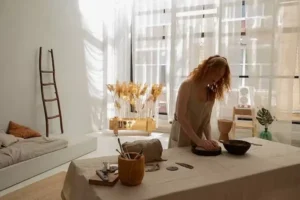
Before reorganizing shelves or rolling out a yoga mat, it helps to shift the story you tell yourself about your small apartment, because when you see it only as “too small” or “not enough,” every attempt at change carries a heavy, frustrated energy that makes the process feel discouraging from the start.
By gently reframing your tiny home as a flexible shell that you can shape and reshape, you open space for creative solutions and small joys that might otherwise be hard to notice in the middle of clutter and obligations.
Mindset shifts that support wellness in small apartments
- Think of your apartment as a series of functions rather than fixed rooms, for example “sleep corner,” “focus zone,” “stretch strip,” and “relax nest,” which can overlap physically while still staying clear in your mind.
- Remember that small spaces can feel cozy and safe when intentionally arranged, especially when you use textures, light, and simple organizing tricks to reduce visual noise.
- Notice that less space often means less cleaning area and fewer steps between zones, which can turn maintaining a cozy routine into a quicker and more manageable task.
- Accept that your home does not need to imitate large houses you see online, because small apartments can offer their own strengths like intimacy, efficiency and creative character.
First step: understanding how your space actually works now
Wellness tips for small apartments become much more powerful when you start from a clear picture of how your tiny home currently behaves, where stress collects, and where ease already exists, even in small patches.
Quick mapping exercise to see your apartment with fresh eyes
- Stand at your entrance or in the center of your main room and slowly look around, noting which areas feel crowded, messy or tense, and which spots feel airy, soft or welcoming.
- Draw a simple sketch of your apartment layout on paper and label the main pieces of furniture along with typical activities that happen in each area, such as sleeping, eating, working, relaxing or storing items.
- Highlight spaces that currently serve more than one purpose, for example a bed that doubles as sofa, a table used for both work and meals, or a corner that holds both exercise equipment and laundry baskets.
- Circle one or two areas where you feel most stressed or blocked, such as an overstuffed closet, a cluttered desk, or a dim corner, because these will be high impact targets for your first organizing steps.
- Mark any sources of natural light, like windows or glass doors, since these will play a big role in creating a more uplifting and cozy routine.
This simple mapping exercise gives you a starting point to organize space, decide where small changes can create big emotional shifts, and understand where to place movement, rest, and light related wellness ideas.
Decluttering as a foundational wellness habit in a tiny home
In a small apartment, every extra item has a louder presence, since a few piles of clothes, scattered papers, or random gadgets can quickly eat up floor space, visual calm, and your ability to move freely, which makes decluttering one of the most impactful wellness tools available when square footage is limited.
Step by step decluttering plan tailored to small apartments
- Choose a micro area, such as one shelf, one drawer, one tabletop, or a single corner of the floor, instead of trying to tackle the whole apartment at once.
- Set a short timer, perhaps fifteen or twenty minutes, so the task feels finite and less overwhelming, and you can repeat these sessions throughout the week.
- Create three categories using bags or boxes: items to keep in this area, items to store elsewhere, and items to let go of, whether by donating, recycling or discarding.
- Ask simple questions as you handle each item, such as “Do I use this often,” “Does it support my cozy routine,” or “Is it taking up space I need for wellness or movement.”
- Finish by resetting the micro area, placing only chosen items back in a tidy way, and enjoy how even one small cleaned space increases the feeling of order and breathing room.
Decluttering priorities for better wellness in tight spaces
- Clear pathways where you walk most often, including the trail from bed to bathroom, kitchen to table, and entrance to main room, so that indoor movement feels safe and unobstructed.
- Focus early on surfaces at eye level, like desks, countertops and nightstands, because these strongly influence how busy or calm your small apartment appears.
- Choose storage solutions that keep wellness related items accessible, such as a basket with stretch bands, a folded yoga mat behind a chair, or a small box with candles and a journal.
- Let go of duplicate items and “someday” clutter when possible, freeing space for zones that actively support your current life rather than storing distant hypotheticals.
Organize space in your small apartment into simple wellness zones
Once some clutter has moved out or into better homes, the next step involves giving each part of your tiny home a clear job, which allows your brain and body to relax more easily because they know where certain activities belong, even if they share the same few square meters.
Basic zone types that support wellness in tiny homes
- Rest zone for sleeping, reading, and low stimulation, often centered around your bed, couch, or a comfortable chair.
- Focus zone for work, study, bills or planning, ideally with a flat surface and access to decent lighting.
- Indoor movement zone which may be as small as a yoga mat length of floor, where you can stretch, do bodyweight moves, or practice breathing exercises.
- Nourishment zone around your kitchen or eating area, where healthy food prep and mindful meals can happen.
- Reset or ritual zone such as a windowsill, shelf, or corner with objects that support your cozy routine, like plants, a candle, or a favorite mug.
Ideas for organizing zones in one room or studio apartments
- Use furniture placement to suggest boundaries, for example placing a small shelf or plant between the bed and the desk, so the rest zone and focus zone feel distinct even within the same room.
- Assign different sides of a table to different functions, like one side for eating and the other for work or hobbies, and physically switch sides when you change activities.
- Mark your indoor movement zone with a rolled mat, a folded blanket, or a visually distinct rug that tells your brain “this is where I stretch and breathe.”
- Create movable boundaries with lightweight items such as curtains, folding screens, or even a clothes rack, which can separate your bed from the rest of the space when needed.
- Store zone specific items close to where they are used, reducing friction when you want to shift from one part of your cozy routine to another.
Building a cozy routine that fits a small apartment
A cozy routine does not require a fireplace or giant sofa; rather, it depends more on repeatable sequences of small actions that tell your body “now we are waking up,” “now we are working,” or “now we are winding down,” and these sequences can be shaped beautifully even in a tiny home.
Morning cozy routine ideas for small spaces
- Upon waking, sit up slowly, open a window if possible, and take a few longer breaths while noticing light, sounds and temperature, giving your mind a moment to arrive before you reach for your phone.
- Drink water from a favorite glass or mug in a chosen spot, such as near the window or at the table, making hydration part of your morning ritual.
- Use your indoor movement strip for two to five minutes of gentle stretching, like reaching overhead, side bending, and rolling your shoulders while still wearing soft clothes.
- Spend one or two minutes looking around your tiny home and resetting one thing, perhaps smoothing the bedding, folding a blanket or clearing a small surface, so the apartment starts the day feeling slightly more organized.
Evening cozy routine ideas for limited space
- Choose a time window when you reduce bright screens and strong lights, using lamps, warm bulbs or string lights to create a softer atmosphere in your main room.
- Return items to their zones briefly, like placing work papers away, clearing dishes, and rolling out a blanket or cushion in your rest zone.
- Use a short indoor movement or relaxation sequence, such as a few easy stretches on the floor or bed, paired with slower breathing to signal your nervous system that the day is ending.
- Finish with a small personal ritual, such as writing one line in a journal, reading a page of a calming book, or sipping a caffeine free drink while sitting in your chosen cozy spot.
Indoor movement in small apartments: clever ways to move without a gym
One of the most encouraging wellness tips for small apartments is the realization that you do not need large clear floors, heavy equipment or loud workouts to benefit from indoor movement, because even a narrow strip of space can host surprisingly effective and enjoyable motion.
Simple indoor movement ideas that fit tiny homes
- Walk back and forth along a hallway or the length of your main room for a few minutes at a time, perhaps while listening to music or a short audio clip.
- Use a section of wall for gentle wall push ups, supported squats, or balance practice, which builds strength without needing extra furniture.
- Stand near a sturdy counter or chair and perform heel raises, knee lifts, or side leg lifts, using the support for balance while your muscles do the work.
- Explore “micro mobility” by rolling your ankles, circling your wrists, and gently rotating your neck and hips while standing near your window or waiting for food to cook.
- Create a tiny “movement snack” playlist of two to three songs and commit to moving in any way during one song each day, whether dancing, stretching, or pacing.
Five minute indoor movement circuits for small apartments
- Standing energizer circuit
- March in place for one minute, lifting knees comfortably and swinging arms.
- Perform gentle squats for one minute, using a chair behind you as a guide if needed.
- Do wall push ups for one minute, stepping close or far from the wall to adjust difficulty.
- Alternate side steps with arm reaches overhead for one minute.
- Finish with one minute of slow breathing while standing tall and rolling shoulders.
- Floor based relaxation circuit
- Lie on your back with knees bent and gently rock your knees side to side for one minute.
- Hold a light bridge position for small pulses of hip lifting for one minute.
- Hug knees toward your chest and circle them gently to massage your lower back for one minute.
- Stretch arms overhead and lengthen your body in opposite directions for one minute.
- End with one minute of quiet stillness, noticing how your body feels against the floor or bed.
Designing tiny rest zones that feel like a retreat
In a small apartment, creating rest zones often means carving out visual and sensory cues rather than building separate rooms, yet these small sanctuaries can dramatically change how rested and grounded you feel at home.
How to set up a micro rest zone in limited space
- Pick one specific seat, corner, or spot on the floor that will be associated mainly with resting, reading, or unwinding, and avoid using that exact place for intense work if possible.
- Add one or two soft elements like a cushion, blanket, or plush rug that make your body feel welcomed when you sit or lie there.
- Include a small surface or basket nearby to hold calming items, such as a book, journal, candle (used safely), or a small plant.
- Use lighting to distinguish the rest zone, perhaps with a small lamp, fairy lights, or a clip on light that can be dimmed.
- Practice visiting this spot even for a few minutes each day, so your brain starts linking the area with relaxation and safety.
Sleep friendly adjustments in one room apartments
- Keep the bed area as uncluttered as possible, clearing items from the mattress and minimizing storage on top of the bed during the night.
- If the bed is visible from your work zone, consider using a curtain, screen, or tall plant to create some separation during the day, so the sleep area does not always feel like part of your work environment.
- Store bright or stimulating objects away from direct sight lines when lying down, helping your mind settle instead of reminding you of tasks or unfinished chores.
- Use darkening curtains or an eye mask when needed to manage light from streets or shared hallways, particularly in tiny home layouts where windows are close to neighboring lights.
- Create a short pre sleep ritual at your rest zone, even if it is just two minutes of stretching and a few slow breaths, to signal that your small apartment is shifting into nighttime mode.
Managing light in small apartments for mood and focus
Because small apartments often have limited windows or receive light only from one direction, paying attention to how you use both natural and artificial light becomes a key part of wellness, affecting your energy, focus, and sense of spaciousness.
Making the most of natural light in a tiny home
- Keep windows as clear as possible by avoiding heavy objects on sills and using light, airy curtains that can be easily pulled aside during the day.
- Place reflective surfaces like mirrors or light colored artwork opposite windows to bounce daylight deeper into the room.
- Arrange your focus zone or indoor movement spot near the brightest part of your apartment when you need extra alertness, like mornings or early afternoons.
- Use plants near windows to bring life into the space without blocking too much light, choosing sizes that suit the room.
Using artificial light to support a cozy routine
- Identify where overhead lighting feels harsh or glaring and soften it with lamps, indirect lighting, or shades that diffuse brightness, especially in rest zones.
- Use warmer toned bulbs in the areas you use at night, such as near the bed or sofa, while keeping cooler or neutral light in work zones for better focus.
- Create a small “evening light scene” by turning off bright sources and keeping only a few gentle lights on during your night routine, helping your body gradually prepare for sleep.
- Consider small battery powered lights or LED strips under shelves or cabinets to add depth and atmosphere without taking additional floor space.
Air, sound and tiny sensory tweaks that boost wellness
Wellness tips for small apartments extend beyond what you see to what you breathe and hear, because air quality and sound environment can significantly influence how relaxed or irritated you feel in a limited space.
Supporting air quality in compact spaces
- Open windows regularly when weather and safety allow, even for a few minutes, to refresh the air and reduce stuffiness that accumulates quickly in small rooms.
- Use fans strategically to circulate air and prevent stagnant corners, especially in tiny home layouts where rooms connect directly to the kitchen.
- Consider a small air purifier or even just attentive cleaning of dust prone surfaces, which matters more when your entire living area is concentrated in one or two rooms.
- Be mindful of strong scents from cooking, cleaning products or candles, ventilating after use so the space feels clear and not overwhelming.
Sound and noise management in small apartments
- Identify recurring sources of noise, such as street traffic, neighbors, or household appliances, and notice which times of day they are strongest.
- Use soft textiles like curtains, rugs, cushions and blankets to absorb sound and make your tiny home feel less echoey or harsh.
- Create a personal audio environment for focus or relaxation, using gentle music, white noise or nature sounds to mask disruptive noises when needed.
- Designate a “quiet zone” or “quiet time” in your cozy routine, even if it is short, where you deliberately lower volume on all devices and let your senses rest.
Weekly mini plans to keep your small apartment wellness friendly
Instead of hoping that wellness will somehow fit itself into your week, using small, structured mini plans makes it easier to maintain your cozy routine, organize space, and continue enjoying indoor movement without needing huge time blocks.
Sample weekly small apartment wellness plan
- Day 1 – Declutter and reset
- Spend fifteen minutes on one micro area such as a bedside table, desk corner or kitchen counter.
- Roll out your indoor movement mat for five minutes of stretching afterward as a reward and a physical reset.
- Day 2 – Light and air day
- Open windows for a short airing session and clean window glass or frames quickly if needed.
- Rearrange one lamp or light source to better support your evening or morning routine.
- Day 3 – Movement focus
- Complete one of the five minute indoor movement circuits twice during the day, perhaps once in the morning and once in the evening.
- Take a few extra steps indoors by choosing longer routes between zones, such as circling the room before sitting down.
- Day 4 – Cozy routine strengthening
- Refine your morning or evening ritual by adding or adjusting one small element, like a new breath pattern or a different resting spot.
- Spend a few minutes making your rest zone visually pleasing, maybe adding a plant, photo or cushion.
- Day 5 – Sound and calm
- Experiment with background sounds that make your small space feel calmer or more focused.
- Identify one noisy appliance or habit and see if a small change, such as timing or padding, can make it less disruptive.
- Day 6 – Tiny home adventure
- Rearrange one piece of furniture or decor to test whether a new layout offers more movement room or better light.
- Walk around your building or neighborhood as part of your indoor and outdoor movement blend.
- Day 7 – Reflection and rest
- Spend a few minutes reviewing which wellness tips for small apartments worked best this week and which felt awkward.
- Give yourself an extra gentle rest session in your sanctuary zone, appreciating the efforts you made in your tiny home.
Tracking how your tiny home wellness changes over time
Because small shifts can be easy to overlook, especially in a familiar environment, keeping a light touch tracking system helps you see progress, stay encouraged, and adjust your cozy routine as your needs change.
Low effort tracking ideas for tiny home wellness
- Use a calendar or simple grid where you mark days when you completed at least one indoor movement activity and one space related task, like decluttering or light adjustment.
- Write a weekly “tiny home check in” with three short notes: one thing that feels better in your apartment, one thing that still feels challenging, and one small idea to try next.
- Take occasional photos of your main room or specific zones before and after minor changes, which make improvements more visible than memory alone.
- Notice how your mood and energy feel at home on days when your cozy routine happens smoothly versus days when it gets skipped, using this information to refine your priorities.
Encouraging perspective for life in a small apartment
Living in a small apartment does not mean your life, your wellbeing, or your sense of possibility must also stay small, and each choice you make to organize space, move your body, soften light, and nurture rest zones demonstrates that your tiny home can learn new habits alongside you.
By integrating wellness tips for small apartments into daily life gradually, you reduce the pressure to transform everything at once and instead watch how single shelves, narrow strips of floor, and modest rituals begin to add up, creating a rhythm where your home supports you rather than constantly demanding your energy.
As you experiment with indoor movement tailored to your limited space, cozy routines that fit your mornings and evenings, decluttering sessions that reclaim little islands of calm, and light management that makes each corner feel more intentional, your small apartment little by little becomes not just where you live but a compact ally in caring for your body, your mind, and your hopes for the future.
Important notes and independence notice
All ideas in this article are general wellness suggestions meant to inspire creative approaches to living well in small apartments, and none of them are intended as medical, psychological, or professional design advice.
When trying new forms of indoor movement, rearranging furniture, or adjusting your cozy routine, it is important to respect your own physical abilities, any health conditions, and safety considerations such as fire exits, building rules, and the stability of furniture or fixtures.
Seeking guidance from healthcare professionals, mental health providers, or qualified organizers and designers can be especially helpful if you have specific medical needs, accessibility questions, or complex living situations that go beyond the scope of these general wellness tips for small apartments.
This content is independent, with no affiliation, sponsorship, or control from landlords, platforms, brands, or other organizations that might be mentioned in generic ways, and all references to objects or setups are used purely as neutral examples.
Your small apartment remains your own, and you are encouraged to adapt, combine, or ignore any suggestions here according to your comfort, culture, budget and personal sense of what makes your tiny home feel more like a place where your wellbeing can grow.