
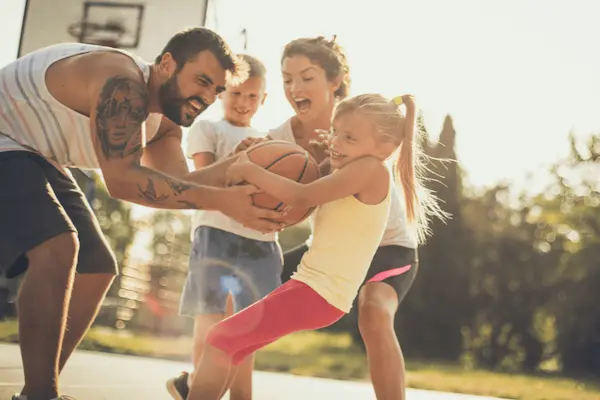
Many parents look up from their phones or from the sink on Sunday evening and realize everyone spent almost the entire weekend sitting, even though they had wished for more family fitness, laughter, and light movement together.
Weekend fitness habits for families offer a gentle, realistic way to change that pattern without military style workouts, long drives to sports centers, or activities that leave anyone feeling excluded, exhausted, or judged.
When you think of movement as shared play, simple kids activities, and little bursts of fun movement spread throughout Saturday and Sunday, it becomes much easier to create an active weekend that feels good for adults and children alike.
This guide brings playful and inclusive ideas you can pick from like a menu, including outdoor and indoor options, planning tips, simple home friendly exercise ideas, and age based checklists so you can build family fitness in a way that fits your unique crew.
Why Weekend Fitness Habits for Families Matter
During busy weeks, school schedules, work demands, and commuting usually leave families with limited time to move together, which is why the weekend can become a powerful anchor for building an active lifestyle that still feels relaxed and enjoyable.
Shared movement does more than support physical health, because it also strengthens emotional bonds, creates memories, and gives children a positive model of adults treating activity as normal and fun rather than as punishment or obligation.
Choosing family fitness over yet another passive afternoon does not mean cancelling rest or quiet time, but instead means weaving fun movement into the moments when everyone is already together, such as mornings at home, trips to the park, or evenings in the living room.
Children who experience active weekend routines often learn that moving their bodies is simply part of family life, and parents benefit as well, because they get to care for their own health while genuinely connecting with their kids.
- Shared activities encourage children to see movement as play, not as a chore that must be done alone.
- Parents who join in also receive the benefits of light exercise, better mood, and more energy for the week ahead.
- Active weekends can balance out sitting heavy school days and remote or office work for adults.
- Playful routines help siblings cooperate, communicate, and sometimes even solve conflicts through group games.
- Simple traditions such as a Saturday park walk or Sunday dance session create comforting structure that children love.
Guiding Principles for Weekend Fitness Habits for Families
Before choosing specific kids activities or games, it helps to agree on a few gentle principles so that your active weekend ideas stay realistic, inclusive, and fun for the entire family, rather than turning into another source of stress.
Thinking through these principles together, even briefly, can prevent common problems like trying to do too much, pushing children too hard, or expecting everyone to enjoy the same type of movement all the time.
- Keep activities light and playful, focusing on connection and fun movement rather than on competition or performance.
- Offer options whenever possible, allowing different personalities and energy levels to choose their own way to participate.
- Use short blocks of activity, such as ten to twenty minutes, so that even reluctant movers know the game will not go on forever.
- Mix calm and energetic moments, including walking, stretching, and quiet games alongside more active play like running or dancing.
- Adapt difficulty for different ages by changing rules, distances, or time, so younger children feel successful and older ones still feel engaged.
Keeping these ideas in mind makes it easier to build weekend fitness habits for families that everyone actually looks forward to instead of avoiding.
Planning an Active Weekend Without Overwhelm
Parents often feel that planning an active weekend means creating a packed schedule, yet the most sustainable approach usually involves a few simple movement blocks placed gently around everything else the family needs to do.
A little preparation on Friday or Saturday morning can turn vague intentions into a loose plan that still leaves plenty of space for spontaneity, naps, and slower moments.
Step by Step Planning Tips
- Talk briefly with your family about what kind of fun movement sounds good this weekend, giving every child and adult one chance to suggest an idea, no matter how small or silly it seems.
- Look at your calendar and identify two or three time windows where everyone is usually home and reasonably awake, such as Saturday morning or Sunday afternoon.
- Pick one outdoor option and one indoor backup for each time window, so weather or energy changes do not completely derail your family fitness plans.
- Prepare a simple “movement bag” or basket with basics like a ball, sidewalk chalk, jump ropes, and a light blanket, keeping it by the door for easy grab and go outings.
- Decide in advance that the goal for the weekend is to try at least one movement block each day, celebrating completion no matter how long it actually lasts.
Helpful Questions While Planning
- Which part of the day does our family usually have the most energy for fun movement.
- Is there a park, backyard, or open space nearby that we can use without long travel or cost.
- What indoor spaces are safest for active play if the weather is very hot, cold, or rainy.
- What tasks or chores could we combine with movement, such as walking to the store or tidying through games.
- How much screen time do we want this weekend, and where could movement naturally fit between screen based activities.
Answering these questions out loud as a family sets a cooperative tone and shows children that their voices matter when creating weekend fitness habits for families.
Outdoor Weekend Fitness Habits for Families
Outdoor time offers fresh air, space to move more freely, and nature to explore, which makes it a favorite zone for family fitness and fun movement, even when you keep things simple and low cost.
You do not need a large yard or fancy equipment, because parks, sidewalks, small green areas, and even quiet streets can become playful spaces when approached with curiosity and creativity.
Family Walks and Mini Adventures
Walking together might sound basic, yet it can become one of the most powerful weekend fitness habits for families when you add small twists that keep everyone interested.
- Neighborhood adventure walks where you look for specific colors, shapes, or animals and mark them off a simple checklist.
- “Choose the turn” walks where children take turns deciding whether to go left or right at each corner for a set number of choices.
- Story walks where a parent or older child tells an ongoing story that continues only while everyone keeps walking.
- Nature detail walks focusing on tiny things such as leaves, stones, clouds, or sounds, encouraging slower, more mindful exploration.
- Errand walks where the family walks to buy a small item, mail a letter, or visit a library instead of driving, turning a chore into a gentle active weekend moment.
Park and Playground Circuits
Playgrounds are ready made movement spaces, and a little structure can turn random play into a fun family fitness circuit that suits different ages.
- Walk one easy lap around the playground together as a warm up, inviting younger kids to show the group their favorite equipment.
- Choose four to six “stations” such as swings, a bench, a climbing frame, a slide, and an open patch of grass.
- Spend one minute at each station doing a playful task like gentle swinging, step ups on the bench, slow climbing, or family stretches.
- Walk or skip gently to the next station, letting children lead the way and pick silly movements between stops.
- After one full round, ask everyone how they feel and either repeat once or finish with a calm cool down walk and a drink of water.
Backyard or Open Space Game Ideas
Even small outdoor areas can host kids activities that keep everyone moving, laughing, and engaging with one another.
- Ball roll races where players roll a ball with hands or feet around simple obstacles instead of kicking at high speed.
- Shape or letter hunts using chalk drawings on the ground, as children run, hop, or tiptoe to each mark when it is called out.
- Slow motion tag in which everyone moves in exaggerated, slow ways, making the game safe and hilarious for a wide range of ages.
- Balance line challenges where you walk along a chalk line or row of small objects, pretending it is a narrow bridge over lava or water.
- Family relay games using gentle tasks like walking fast, skipping, carrying light objects, or weaving around cones or pillows.
Low Pressure Sports Moments
Some families enjoy sports, yet intense rules and competition can make children nervous, so turning sports into light weekend fitness habits for families keeps the pressure away.
- Casual soccer where the focus is passing in pairs or small groups rather than scoring goals.
- Basket “rounds” where each person chooses a spot and takes a set number of slow, playful shots without keeping strict score.
- Soft catch games with foam or soft balls for younger children, practicing gentle throws, rolls, and catches.
- Frisbee circles where everyone tosses to the person beside them, gradually adding simple challenges like clapping once before catching.
- Family stretching circle on the grass, combining light stretching with storytelling or singing, which counts as movement while feeling calm.
Indoor Weekend Fitness Habits for Families
Weather, schedules, or energy sometimes keep everyone inside, yet weekends can still be active with creative indoor games that adapt to your home layout.
Living rooms, hallways, bedrooms, and even kitchens can become safe mini gyms when you use soft rules, clear boundaries, and simple household items.
Living Room Obstacle Ideas
Obstacle courses sound complicated, but they can be as simple as a path marked with pillows and toys that invite different types of safe movements.
- Choose a starting point and a finish point that leave enough room to move without bumping into fragile objects.
- Place cushions, rolled blankets, or soft toys along the path to create gentle step over, go around, or crawl under challenges.
- Assign playful moves at different spots, such as three star jumps, five slow marches, or a short stretch.
- Let each child take a turn designing their own version of the course, keeping safety and space limits in mind.
- Time the course only if it inspires fun, avoiding comparisons or pressure to be the fastest.
Music and Movement Sessions
Turning on a favorite playlist and moving to the music is one of the easiest ways to enjoy fun movement as a family on rainy weekends.
- Freeze dance where everyone moves freely until the music stops, then strikes a playful pose and holds it.
- Follow the leader dances where one person chooses simple motions like clapping, stepping side to side, or arm circles and everyone copies them.
- Slow motion dance rounds where songs with gentle rhythms inspire flowing, stretchy movements rather than fast bouncing.
- “Move like” games where each song has a theme, such as move like animals, robots, or underwater creatures.
- Family stretch and sway time at the end, using quiet music to guide a mini cool down routine.
Screen Time With Movement Built In
Screens are often part of family weekends, and instead of fighting them completely, you can blend them with light activity in ways that keep everyone moving a little more.
- Movement breaks during shows where the family stands up and performs one simple move at every new episode or after an ad break.
- Interactive games that involve dancing, light stepping, or following onscreen movement prompts, chosen carefully for age and comfort.
- Stretching sessions while watching calmer content, with rules like stretch one body part during each scene change.
- Short “commercial circuits” even during streaming, using a timer to insert squats to chair, wall push ups, or marching between episodes.
- Family challenge to see how many minutes of movement can be collected alongside a movie without missing important scenes.
Chores Turned Into Fun Movement
Household tasks can quietly support weekend fitness habits for families when they are turned into games instead of battles.
- Speedy sorting races where everyone moves around the house returning items to their correct rooms, at a calm yet brisk pace.
- Music cleaning sessions where songs set the tempo for dusting, sweeping, or tidying toys in a playful rhythm.
- “Carry and stack” helpers who bring laundry baskets, light groceries, or recycling in small safe loads, practicing lifting and walking.
- Step challenges during vacuuming or sweeping, counting how many comfortable steps can be added while completing the task.
- Reward rituals after chore movement, such as a shared stretch on the floor or a short game as a thank you for everyone’s effort.
Age Friendly Activity Checklists
Different ages enjoy different kinds of fun movement, and matching activities to developmental stages helps each child feel included and successful in your family fitness plans.
The following checklists are not strict rules but inspiration, showing options that can be mixed and matched within one active weekend.
For Toddlers and Preschoolers
- Short walks with plenty of time to stop and look at leaves, stones, and bugs.
- Gentle chasing games like “catch the bubbles” rather than fast tag.
- Soft ball rolling, simple kicking, and gentle tossing with very small distances.
- Animal walks across a room or yard, such as pretending to be bears, frogs, or ducks.
- Simple copycat stretches where they mirror an adult’s arms up, arms out, or gentle twists.
For School Age Children
- Obstacle courses with clear start and finish, using pillows, chairs, and chalk lines.
- Scavenger hunts that require walking, bending, reaching, and carrying small objects.
- Beginner sports games with soft rules, such as pass the ball ten times without dropping.
- Dance challenges where each person invents a move that everyone has to repeat.
- Simple yoga style poses held for a few breaths, turning balance into a fun challenge.
For Teens
- Longer walks or easy jog walk intervals while listening to shared playlists.
- Friendly sports sessions such as shooting baskets, playing catch, or gentle badminton.
- Family bodyweight circuits that include squats, wall push ups, and planks with optional modifications.
- Activity “shifts” where teens take a turn leading a game or choosing the movement playlist.
- Home workout videos chosen together, using beginner friendly, low impact formats when desired.
For Parents and Caregivers
- Walking before or after family activities to get a bit of solo movement or quiet time.
- Joining children in games at a comfortable intensity, rather than standing on the sidelines.
- Light strength moves like squats to chair, wall push ups, and step ups whilst supervising outdoor play.
- Stretching routines in the evening while children wind down or read nearby.
- Planning and tracking one or two simple weekend fitness habits for families each week to keep momentum going.
Sample Weekend Schedules With Movement Built In
Seeing everything organized into a sample day can make it easier to imagine how fun movement can coexist with errands, rest, and family time without feeling like yet another obligation.
Sample Active Saturday
- Morning
Gentle family walk around the neighborhood, including a simple scavenger hunt for colors or shapes. - Late Morning
Chore game where everyone tidies their room while music plays, followed by a short stretching circle. - Afternoon
Park visit with a playground circuit and low pressure ball games, ending with a calm snack on a bench. - Early Evening
Indoor dance party before dinner, using freeze dance or follow the leader games. - Night
Quiet stretching or yoga style poses together in the living room before bedtime routines begin.
Sample Relaxed Sunday
- Morning
Slow start with a five minute living room warm up and a simple obstacle path for younger children. - Midday
Walk or short outing to a local green space, perhaps bringing a ball, kite, or chalk. - Afternoon
Screen time with built in movement breaks, such as stretching every time a new episode starts. - Late Afternoon
Family game of choice, indoors or outdoors, selected from a prepared list of weekend fitness habits for families. - Evening
Gratitude and review moment where everyone shares their favorite movement memory from the weekend.
These templates can be adjusted for weather, culture, and individual schedules, and you can always swap activities between days to suit your family’s rhythm.
Simple Home Friendly Exercise Ideas for All Ages
Sometimes you want a tiny routine that feels a bit more like “exercise” yet still stays friendly for children and adults at different levels.
Short, no equipment circuits can become a regular part of your weekend fitness habits for families and can be adapted up or down in difficulty.
Family Bodyweight Mini Circuit
- Ten squats to a chair or half squats for adults, with younger kids doing pretend “frog squats” at their own pace.
- Eight to ten wall push ups, with very young children pushing a pillow against the wall instead.
- Ten heel raises while holding a chair or wall, everyone counting out loud together.
- Ten gentle side bends each way, turning the movement into a “reach for the stars and the floor” game.
- One minute of light marching or stepping in place, finishing with high fives all around.
You can repeat this circuit once or twice depending on energy, turning it into a playful home office or living room session that supports weekend family fitness.
Printable Style Activity Checklists for Different Ages
Checklists help children and adults see progress, choose options, and feel ownership over family fitness, so consider creating simple lists that can be placed on the fridge or a wall.
Each family member can tick off items across the weekend rather than trying to do them all at once.
Weekend Activity Checklist for Younger Kids
- ☐ Jump in place like a frog ten times.
- ☐ Go on one walk where you spot three different kinds of leaves or flowers.
- ☐ Play one dance game in the living room.
- ☐ Help carry something light during chores or errands.
- ☐ Do three stretches with a grown up before bedtime.
Weekend Activity Checklist for Older Kids and Teens
- ☐ Join one full family walk, park visit, or outdoor game.
- ☐ Lead one activity, such as picking the music or designing a game or obstacle course.
- ☐ Participate in a ten minute home exercise circuit or stretching session.
- ☐ Spend at least ten minutes outdoors walking, biking, or playing.
- ☐ Share one idea for next weekend’s family fitness plan.
Weekend Activity Checklist for Adults
- ☐ Move in some way on both weekend days, even if briefly.
- ☐ Play at least one active game fully engaged with the children.
- ☐ Take one short walk alone or with a partner to recharge.
- ☐ Perform a small set of strength moves such as squats, wall push ups, or step ups.
- ☐ Reflect on what weekend fitness habits for families felt most joyful and sustainable.
Staying Flexible, Safe, and Kind to Everyone
Movement with children rarely goes exactly as planned, and that is perfectly normal, which is why flexibility and kindness are as important as any list of games or exercises.
Keeping safety and emotional comfort at the center helps every family member feel heard and respected while experimenting with new weekend fitness habits.
- Allow anyone to opt out or choose a softer version of an activity when they feel tired, shy, or uncomfortable.
- Keep hydration and snack breaks available, especially during outdoor or warm weather play.
- Adjust rules for kids who have sensory needs, injuries, or different mobility levels, so that they can still participate meaningfully.
- Model listening to your own body as an adult by slowing down, stretching, or resting when you need to.
- Emphasize that trying and having fun matter more than winning, speed, or perfection in any game or exercise.
Prioritizing these attitudes makes it more likely that family members will want to repeat active weekends over time rather than seeing them as something to endure.
Helping Weekend Fitness Habits for Families Stick
New routines feel exciting at first yet can fade quickly if life becomes busy, so a few simple strategies can help your family keep moving together weekend after weekend.
Consistency comes less from strict discipline and more from gentle traditions, visual reminders, and celebrating small wins.
- Choose one signature activity such as Saturday park walks or Sunday living room dance time and repeat it most weekends.
- Keep lists of favorite games and kids activities handy, adding new ones whenever someone discovers a fresh idea.
- Use a wall calendar where children add stickers or drawings each time the family completes an active weekend block.
- Talk about how movement made everyone feel, focusing on positive effects like better sleep, more laughter, or calmer moods.
- Be gentle with missed weekends, simply restarting the habit the next time without guilt or drama.
Over time these patterns build a family identity where an active weekend feels natural, and where fun movement is just one more way you take care of each other.
Important Health and Independence Note
The ideas in this article are meant as general, family friendly inspiration and do not replace individual medical advice, diagnosis, or treatment from qualified health or fitness professionals who can consider your specific circumstances, medical history, and needs.
Families with members who have medical conditions, mobility challenges, or injuries should consult appropriate professionals about which safe movements and weekend fitness habits are most appropriate before trying new activities.
This content is independent and is not affiliated with, sponsored by, endorsed by, or controlled by any institutions, platforms, gyms, brands, or other third parties, and your family remains fully responsible for deciding how to adapt and use these suggestions about weekend fitness habits for families in ways that feel safe, comfortable, and realistic for your own lives.