
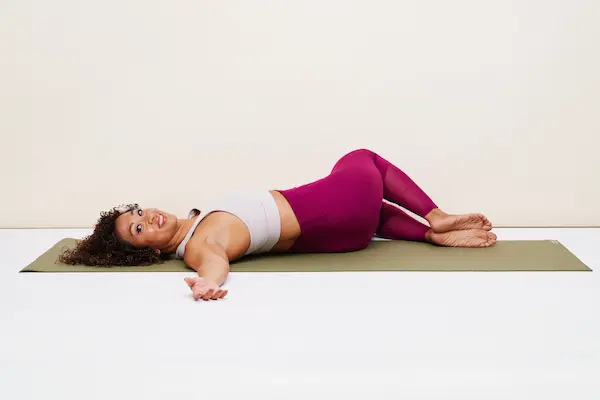
Feeling stiff, tight, or restricted in everyday movements can slowly drain your energy and confidence, yet gentle stretching workout ways for flexibility can gradually restore a sense of lightness and ease in your body.
Instead of chasing extreme poses or forcing your muscles to do something they are not ready for, a calm and consistent stretching routine invites your joints to move a little more freely over time, with safety and comfort as the main priorities.
Many people believe flexibility requires natural talent or intense classes, although in reality most progress comes from simple, repeated sessions that respect your current range of motion and expand it slowly with patience.
This guide will walk you through stretching workout ways for flexibility that focus on smooth breathing, mindful positioning, and careful timing so you can feel more mobile without overwhelming your body.
Throughout the article, you will see flexibility tips, gentle mobility exercises, warm up ideas, breathing suggestions, and frequency guidance, all designed to support a person who wants to move with more freedom while staying safe.
All information here is educational, not medical, so any existing injuries, pain conditions, or health concerns deserve a conversation with a qualified professional before changing your routine.
Notice: this content is independent and does not have affiliation, sponsorship, endorsement, or control from any platforms, institutions, or third parties that might be mentioned in examples.
Understanding stretching workout ways for flexibility

Flexibility describes how comfortably your joints and muscles can move through their available range, and it influences simple actions like turning your head to look behind you, bending to tie your shoes, or reaching overhead to place something on a shelf.
When muscles stay shortened for long periods, such as during desk work, commuting, or repeated sport movements, they often respond by becoming tight and resistant, which can create discomfort, limited range of motion, or a feeling of heaviness.
Stretching workout ways for flexibility aim to give those muscles a chance to lengthen gently while the nervous system learns that these positions are safe, which gradually reduces unnecessary tension.
Several categories of stretching exist, and understanding their basic differences makes it easier to choose what fits your current goals and comfort level.
Main stretching styles you will use
- Static stretching, where you move into a comfortable position and hold it without bouncing, focusing on stillness and slow breathing to ease muscular tension.
- Dynamic stretching, which involves controlled movements that gently take your joints through a range of motion, often used as part of a warm up before more demanding activities.
- Active stretching, where you use the strength of one muscle group to stretch the opposite group, such as lifting your leg with your own hip muscles while keeping it straight.
- Passive stretching, which relies on external support like a strap, wall, floor, or another part of your body to help maintain a position with minimal muscular effort.
- Mobility exercises, which blend gentle strength, coordination, and range of motion training so your joints not only move further but also feel more stable throughout that movement.
Most of the routines in this guide will blend static stretching, dynamic movements, and simple mobility exercises in a careful way that suits everyday bodies rather than extreme flexibility goals.
Comfort and safety principles for stretching
- Use a personal comfort scale from zero to ten, where zero feels like no stretch at all and ten feels like sharp pain, then aim to stay around a gentle four to six during your stretches.
- Move slowly into each position, pausing as soon as you notice a mild stretch, and avoid forcing your body past that initial resistance.
- Keep your breathing smooth and relaxed, because holding your breath often signals unnecessary tension and may reduce the benefits of your stretching routine.
- Back out of any stretch that creates stabbing, burning, or electric sensations, and treat those responses as information to share with a health professional if they persist.
- Respect differences between sides of your body, since it is completely normal for one hip, shoulder, or hamstring to feel tighter than the other.
Following these principles allows stretching workout ways for flexibility to feel nurturing and sustainable instead of uncomfortable or intimidating.
Preparing your body: warm up and setup
Cold muscles and stiff joints tend to resist sudden stretching, so a gentle warm up makes your routine more comfortable, more effective, and less likely to trigger unnecessary discomfort.
You do not need a long session to prepare; a few minutes of light movement can significantly increase blood flow, raise tissue temperature slightly, and tell your nervous system that it is time to move.
Simple warm up ideas before stretching
- Walk around your home or space for three to five minutes, swinging your arms naturally and taking relaxed steps.
- March in place with soft knees, lifting your feet just enough to encourage circulation without creating impact or strain.
- Circle your shoulders slowly forward and backward, then gently roll your head in small arcs without forcing the neck into extreme ranges.
- Perform easy ankle circles by lifting one foot off the floor and tracing circles in the air, changing directions after several rotations.
- Shake out your hands, arms, and legs lightly to invite a sense of looseness before you begin more focused mobility exercises.
Completing a very short warm up like this prepares both mind and body for the more deliberate stretching routine that follows.
Setup tips for a calm stretching session
- Choose a stable surface such as a mat or carpeted floor, and keep a folded towel or cushion nearby to support knees or sensitive areas if needed.
- Wear clothing that allows you to move freely through your hips, shoulders, and spine without feeling restricted or distracted.
- Silence notifications or place your phone out of reach for the duration of your stretching workout so your attention can stay with your body.
- Decide in advance how long you will stretch, for example ten, fifteen, or twenty minutes, which helps your mind relax into the routine without wondering when it will end.
- Keep water available to sip before or after your session, since gentle hydration supports overall tissue health and comfort.
A calm and prepared environment encourages you to treat stretching as intentional self-care rather than a rushed afterthought.
Foundational full-body stretching routine
A simple full-body stretching routine offers an organized way to explore stretching workout ways for flexibility without wondering which area to address next.
The following sequence is designed to last about fifteen to twenty minutes, depending on how long you hold each position and how many repetitions you choose for each side.
Every section includes timing suggestions, but you can shorten or extend the holds slightly based on your comfort level and daily schedule.
Neck and upper back sequence
- Sit or stand tall, then gently drop your right ear toward your right shoulder, keeping both shoulders relaxed, and hold the neck stretch for twenty to thirty seconds before switching sides.
- Slowly turn your head as if looking over your right shoulder, pause when you feel a light stretch along the side of your neck, breathe calmly for twenty to thirty seconds, then rotate toward the left side.
- Interlace your fingers behind your head, allow your chin to move slightly toward your chest, and feel a mild stretch along the back of your neck and upper back while you hold for twenty to thirty seconds.
- Extend both arms forward at shoulder height, clasp your hands, and gently round your upper back as though you are hugging a large ball, then breathe into the space between your shoulder blades for twenty to thirty seconds.
These gentle stretches help release accumulated tension from screen time, driving, and everyday stress that often settles into the neck and upper back.
Shoulders and chest sequence
- Stand near a wall or doorway, place your right forearm against it at about shoulder height, slowly turn your chest away, and hold the front-of-shoulder stretch for twenty to thirty seconds before changing sides.
- Clasp your hands behind your lower back, softly straighten your elbows, then lift your hands slightly while opening your chest and maintaining relaxed breathing for twenty to thirty seconds.
- Bring your right arm across your chest, hold it gently near the elbow with your left hand, and feel the stretch at the back of your shoulder for twenty to thirty seconds, then repeat on the other side.
- Raise your right arm overhead, bend the elbow so your hand rests behind your neck or upper back, then guide the elbow slightly with your left hand for a triceps and side stretch held for twenty to thirty seconds.
Shoulder and chest stretches like these can counteract rounded posture and support easier breathing by giving the front of your body more space.
Hips and glutes sequence
- Sit on a chair with both feet flat on the floor, cross your right ankle over your left knee to form a figure-four shape, then hinge forward gently from your hips until you feel a stretch in your right hip and glute, holding for twenty to forty seconds before switching sides.
- Kneel on one knee with the other foot in front forming a ninety-degree angle, gently shift your weight forward until you sense a stretch at the front of the hip on the kneeling side, then breathe calmly for twenty to forty seconds and change legs.
- Lie on your back, bend both knees, then cross your right ankle over your left thigh and draw the left leg toward your chest, holding behind the thigh while maintaining a comfortable stretch for twenty to forty seconds, followed by the opposite side.
- In a comfortable standing position, step your right foot slightly behind you, soften both knees, shift your weight toward the front leg, and feel a mild stretch in the right hip flexor for twenty to thirty seconds before reversing sides.
Loosening the hips and glutes with this sequence supports walking, squatting, and sitting more comfortably, especially for people who spend much of the day at a desk.
Hamstrings and calves sequence
- Stand near a stable surface for balance, extend your right leg forward with the heel on the floor and toes pointing upward, hinge at the hips while keeping your back long, and hold the hamstring stretch for twenty to forty seconds before switching legs.
- Place your hands against a wall, step your right foot back, keep the back heel on the floor, bend the front knee slightly, and feel a comfortable stretch in the back calf for twenty to forty seconds, then repeat on the other side.
- From a standing position, shorten the distance between your feet, bend both knees slightly, keep the back heel down, and hold this bent-knee version of the calf stretch for twenty to thirty seconds per side to reach deeper calf muscles.
- Lie on your back, loop a towel or strap around your right foot, gently straighten the leg toward the ceiling while keeping the other leg bent or extended on the floor, and hold a light hamstring stretch for twenty to forty seconds before changing legs.
Gradual hamstring and calf stretching promotes more comfortable walking, reaching to pick things up, and lowering into chairs without strain.
Ankles, wrists, and gentle finishing mobility
- Sit or stand comfortably, lift one foot slightly, and rotate the ankle in slow circles ten times in each direction before repeating with the other ankle.
- Extend your right arm forward with the palm facing up, gently draw your fingers back with the other hand until a stretch appears in the forearm, hold for fifteen to twenty seconds, then switch sides and flip the palms downward to stretch the opposite line.
- Interlace your fingers, press your palms outward, and gently push away as you round your upper back slightly, breathing calmly for fifteen to twenty seconds.
- Finish the routine by standing tall, taking three to five slow breaths, and allowing your shoulders, jaw, and face muscles to soften with each exhale.
Including small joints like ankles and wrists in your stretching workout ways for flexibility helps your entire body feel more integrated and ready for daily tasks.
Gentle mobility exercises to support flexibility
While static stretching lengthens tissues in a still position, mobility exercises teach your joints to move smoothly through their range under light muscular control, which often leads to more usable flexibility in daily movements.
A calm combination of stretching and mobility can make it easier to reach, twist, bend, and turn without feeling stuck or unstable.
Upper-body mobility exercises
- Practice shoulder circles by drawing slow, controlled circles with both shoulders together, first moving forward ten times and then backward ten times, while keeping your neck relaxed.
- Perform arm swings by gently swinging your arms forward and backward in a small range, keeping your elbows soft and your movements smooth for twenty to thirty seconds.
- Stand with feet hip-width apart, cross your arms over your chest, and rotate your torso gently to the right and left, pausing briefly at each side for eight to ten repetitions.
- Try wall slides by standing with your back near a wall, placing your arms in a goalpost shape, and sliding them slowly upward and downward within a comfortable range for eight to ten repetitions.
These mobility exercises encourage your shoulders, upper back, and chest to work together so your stretching routine feels more natural and supported.
Spine and hip mobility exercises
- Sit at the edge of a chair, place your hands on your thighs, gently arch your back while looking slightly upward, then smoothly reverse into a rounded position while looking down, repeating this seated cat-cow pattern eight to ten times.
- Stand with feet a little wider than hips, soften your knees, and trace slow hip circles as though drawing a circle with your belt buckle, performing eight circles in each direction.
- From a stable standing position, step one foot forward and gently bend and straighten both knees in a mini lunge pattern for eight repetitions per side, keeping your range small and comfortable.
- Kneel on hands and knees if that position feels okay, then extend one arm forward and the opposite leg backward, hold for a breath or two, and alternate sides for six to eight repetitions to blend mobility with light stability work.
Regular spine and hip mobility work supports a smoother walking pattern, more comfortable sitting posture, and easier transitions between positions.
Foot, ankle, and wrist mobility exercises
- While seated, point and flex your feet several times, then spread your toes gently and relax them, repeating for twenty to thirty seconds per foot.
- Circle each ankle slowly as if stirring a small pot, focusing on control rather than speed and performing eight to ten circles in each direction.
- Make soft fists with your hands, rotate your wrists in both directions for several gentle circles, then open your fingers wide and relax them repeatedly.
- Tap your toes lightly on the floor or alternate between lifting heels and toes to encourage circulation and awareness in your lower legs and feet.
These small mobility exercises enhance the foundation that supports every step, and when combined with stretching they can significantly improve overall comfort.
Short stretch breaks for busy days
Long sessions are helpful, yet even on full schedules you can benefit from short stretch breaks that keep stiffness from building throughout the day.
Designing tiny routines for three to five minutes makes it practical to maintain stretching workout ways for flexibility even when time feels scarce.
Three-minute desk-friendly stretch break
- Spend one minute on neck and shoulder relief by gently dropping each ear toward the same-side shoulder, then rolling your shoulders backward in slow circles.
- Use the second minute for seated figure-four stretches by crossing one ankle over the opposite knee and leaning forward slightly until you feel a light hip stretch on each side.
- Dedicate the final minute to wrist, hand, and chest opening by stretching your forearms and clasping your hands behind your back to open the front of your shoulders.
Performing this simple sequence once or twice during the workday can noticeably reduce feelings of tightness around your neck, hips, and upper body.
Five-minute morning wake-up stretch
- Begin with one minute of gentle arm reaches overhead and side bends, alternating sides while breathing calmly and keeping movements slow.
- Move into one minute of standing cat-cow, placing your hands on your thighs and smoothly alternating between arching and rounding your spine.
- Use the next minute for hamstring reach by placing one heel slightly forward and hinging at your hips on each side.
- Continue with one minute of gentle hip circles, keeping your knees softly bent and your upper body relaxed while you explore small circles in both directions.
- Finish with one minute of ankle and calf stretches by stepping one foot back, pressing the heel down, and then switching sides.
This short routine helps your body transition from sleep to movement while staying within a comfortable range of motion.
Five-minute evening unwind stretch
- Lie on your back if possible and hug both knees toward your chest, gently rocking from side to side for about one minute to relax your lower back.
- Extend one leg straight on the floor, pull the opposite knee toward your chest for a hip stretch, and hold for thirty to forty seconds before changing legs.
- Roll onto your side and then onto hands and knees, perform slow cat-cow movements for one minute, focusing on smooth breathing and comfortable ranges.
- Return to a seated or lying position and stretch your hamstrings with a towel or strap for about thirty to forty seconds per side.
- End with one minute of relaxed breathing, placing your hands on your belly and feeling it rise and fall with each breath.
Using a brief evening routine like this can help discharge the stiffness accumulated during the day and prepare your body for rest.
Breathing suggestions for safer, more effective stretching
Breathing patterns strongly influence how your body responds to stretching, because calm, steady breaths signal safety, while shallow or held breaths often reflect tension or stress.
Integrating breathing awareness into stretching workout ways for flexibility turns each position into a small relaxation practice rather than a struggle against tight muscles.
General breathing guidelines during stretching
- Allow your breath to flow through your nose when possible, with a smooth, quiet inhale and a slightly longer exhale that encourages relaxation.
- Coordinate the gentle effort of moving into a stretch with an exhale, then maintain relaxed breathing during the hold instead of freezing your breath.
- Notice any tendency to hold your breath when the stretch intensifies, and respond by easing slightly out of the position until breathing feels natural again.
- Imagine sending your inhale toward the area you are stretching, even though the air remains in your lungs, using this mental focus to soften surrounding tension.
- Keep your jaw, tongue, and facial muscles relaxed to avoid sending mixed signals of tightness while trying to release other parts of your body.
Comfortable breathing acts like a quiet partner to your stretching routine, helping muscles and the nervous system gradually accept new ranges.
Simple breathing patterns to try
- Use a gentle four-four rhythm by inhaling for a count of four, exhaling for a count of four, and repeating this pattern while you hold each stretch.
- Experiment with a four-six pattern, inhaling for four counts and exhaling for six, especially when you want to emphasize relaxation and downshifting from stress.
- Count the number of breaths instead of seconds during holds, for example staying in a position for three to five slow breaths rather than timing with a clock.
- Combine stretching and breath by lengthening slightly deeper into the stretch on every second or third exhale while remaining within your comfort zone.
- Finish your routine with five slow breaths in a neutral position, using that time to notice how your body feels compared with the beginning.
Rhythmic breathing turns each stretch into a coordinated experience between mind and body, rather than an isolated physical task.
Flexibility tips: timing, frequency, and progression
Small improvements in flexibility arise from regular, gentle practice rather than occasional intense efforts, so clear guidelines for timing and frequency make your stretching routine easier to maintain.
Rather than aiming for perfection, focusing on repeated, manageable sessions creates steady progress that feels safe and sustainable.
How often to use stretching workout ways for flexibility
- Aim for dedicated stretching sessions on at least three days each week if you are just beginning, and gradually increase to most days when your body adapts.
- Include very short stretch breaks of one to five minutes on busy days, using them as maintenance even when you cannot complete a full routine.
- Allocate ten to twenty minutes for your main stretching routine, adjusting up or down based on your schedule and how your body feels that day.
- Use gentle mobility exercises as part of your warm up before more intense activities like strength training, running, or sports, which can support smoother movement.
- Reserve deeper static stretches for after your body is warm, such as after a walk, light cardio, or another workout, to improve comfort and effectiveness.
Consistent frequency matters more than occasional long sessions, so even modest time investments can lead to practical flexibility gains.
Progressing your stretching routine safely
- Begin with shorter holds of fifteen to twenty seconds per stretch, then slowly increase to twenty or thirty seconds as your comfort grows.
- Introduce additional repetitions rather than forcing a single deep hold, for example performing two moderate holds per side instead of one aggressive one.
- Gradually nudge your position a little further every few sessions, but only if your body feels relaxed and free of sharp sensations.
- Notice which areas respond quickly and which seem resistant, then offer extra patience and time to those tighter regions without judgment.
- Reassess your flexibility tips and goals every four to six weeks, making minor adjustments to timing, exercise selection, or frequency as needed.
Safe progression allows your nervous system, muscles, and connective tissues to adapt together, reducing the risk of overstretching or irritation.
Common stretching mistakes to avoid
- Bouncing or jerking at the end range of a stretch, which can create unnecessary strain on muscles and tendons.
- Pushing into pain in the hope that discomfort will mean faster progress, even though pain usually signals the need to change something.
- Holding your breath or tensing other parts of your body while trying to stretch one area, which sends mixed signals and reduces relaxation.
- Only stretching one or two favorite areas while neglecting other parts of the body that also contribute to overall mobility.
- Comparing your range of motion to images or other people rather than respecting your unique structure, history, and current condition.
Being aware of these common errors ensures that your stretching workout ways for flexibility remain kind, balanced, and truly supportive.
Sample weekly plan using stretching workout ways for flexibility
Applying these ideas becomes much easier when you see how they can fit into a real week, even for someone who currently feels stiff and slightly hesitant about movement.
The following sample plan offers a calm and realistic structure that you can adjust based on your schedule, energy, and comfort level.
Overview of the weekly structure
- Use three days for focused full-body stretching routines that last around fifteen to twenty minutes.
- Fill two or three additional days with shorter mobility exercises or stretch breaks of five to ten minutes.
- Include at least one lighter day where you simply check in with gentle breathing and minimal movement.
- Keep one flexible day that can serve either as rest or as a chance to repeat your favorite routine.
- Notice overall trends rather than fixating on any single day, since flexibility improves gradually with the combined effect of many sessions.
This blend allows you to practice stretching consistently without overwhelming your schedule or your body.
Example day-by-day plan
- Day one: perform the full-body stretching routine described earlier, spending fifteen to twenty minutes moving through neck, shoulders, hips, hamstrings, calves, and small joints, and finish with slow breathing.
- Day two: complete a ten-minute mobility-focused session using upper-body, spine, and hip mobility exercises paired with a short warm up walk.
- Day three: return to the full-body stretching routine, perhaps holding each stretch a little longer or adding a second round for areas that felt particularly tight.
- Day four: use only short stretch breaks, such as the three-minute desk routine and the five-minute evening unwind stretch, sprinkled across your day.
- Day five: combine a brief warm up with targeted stretching for your tightest areas, for example hips and hamstrings, then add a few gentle core and back mobility exercises.
- Day six: repeat whichever routine from earlier in the week felt most beneficial, or explore new stretching workout ways for flexibility with similar timing and intensity.
- Day seven: choose a very light day with only breathing practice, a few comfortable stretches, and five minutes to reflect on how your body feels compared with the beginning of the week.
Rotating focus in this way offers variety while still building the repetition your body needs for lasting flexibility improvements.
Listening to your body and adjusting your routine
No universal stretching routine fits every body, so learning to interpret sensations and respond with adjustments is crucial for safe and enjoyable progress.
A calm, observational mindset turns each session into a conversation with your body rather than a one-sided demand for change.
Signals that your routine is working well
- Daily movements such as turning, reaching, bending, or walking begin to feel smoother and less restricted.
- Muscle tightness still appears at times but resolves more quickly after stretching or short mobility exercises.
- Posture feels slightly easier to maintain, with less effort needed to sit or stand tall.
- Breathing becomes calmer and deeper during your stretching sessions instead of feeling strained.
- Motivation to continue your stretching routine grows as you notice these gentle, functional improvements.
Positive signals like these tell you that your current balance of frequency, intensity, and volume suits your system.
Signs that you may need to modify your stretching
- Experiencing sharp, burning, or shooting pain during or after stretches, which suggests that certain positions may be too aggressive.
- Noticing increased stiffness or discomfort that lasts more than a day or two after gentle sessions.
- Feeling lightheaded, extremely fatigued, or unusually sore, even when you stay within mild ranges of motion.
- Realizing that your current schedule leaves you feeling rushed, stressed, or pressured around stretching, which may reduce its calming benefits.
- Observing emotional resistance or dread before sessions, which can be a cue to shorten your routine or shift toward movements you find more enjoyable.
When any of these signs appear, scaling back intensity, reducing hold times, or consulting a health professional can help you find a better balance.
Bringing your stretching workout ways for flexibility together
Stiffness does not need to define how you move for the rest of your life, and even gentle, carefully chosen stretching routines can gradually restore a feeling of comfort and ease.
By combining warm up practices, structured full-body stretching, simple mobility exercises, and short daily stretch breaks, you give your muscles and joints many small chances to change over time.
Thoughtful breathing, clear flexibility tips, and realistic frequency choices protect your body while helping you progress step by step in a safe direction.
Most importantly, a calm and respectful attitude toward your current range of motion allows stretching workout ways for flexibility to feel like supportive care rather than a strict test you must pass.
As you continue exploring these sequences and adapting them to your needs, your body may begin to respond with more softness, more space, and more freedom in everyday movement.
Every careful stretch, every mindful breath, and every small session you complete is an investment in moving through life with a little less stiffness and a lot more ease.