
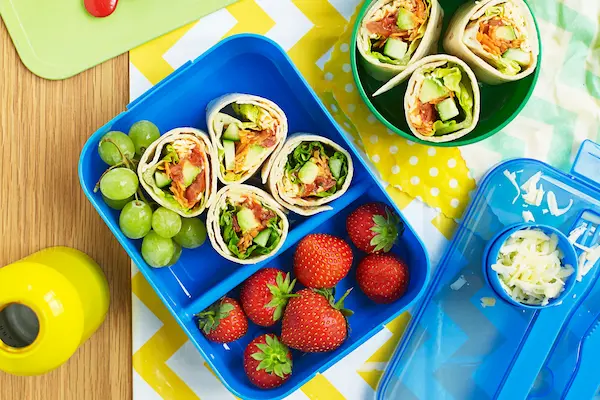
Packing your own food for work or study can look complicated from the outside, yet in practice it often becomes a calm little ritual that saves money, reduces rushed decisions, and helps you feel a bit more in control of your day instead of always reacting to hunger and fast food signs.
Choosing simple healthy lunchbox ideas does not mean you have to become a gourmet chef, because the real magic usually happens when you combine a few basic ingredients in a smart way, place them into a container that travels well, and know that tomorrow at lunchtime you will open a box that already fits your tastes and your schedule.
Bringing a packed lunch gives you freedom to eat when it suits your day, helps you avoid long lines at crowded food courts, and makes it much easier to add vegetables, fruit, and balanced portions into your routine without thinking about it at the last minute.
This guide will walk through mix-and-match lunchbox formulas, ingredient lists that are friendly for busy weeks, practical packing tips to keep food fresh and appealing, and plenty of examples you can copy or adapt so that healthy lunch does not become another stressful task.
A Visual Formula for Simple Healthy Lunchbox Ideas
Instead of treating every packed lunch as a separate project, it helps to have a simple formula in mind, a kind of building block pattern that you can repeat with different ingredients, which makes planning much easier when you are tired or in a hurry.
A balanced lunchbox for work or study can often be built from five basic parts that fit into almost any container and still look colorful, satisfying, and practical to eat quickly.
- Part 1: A main “base” such as whole grains, pasta, potatoes, bread, or wraps, which often fills you up and makes the meal feel substantial.
- Part 2: A source of protein like beans, lentils, eggs, chicken, fish, cheese, tofu, or yogurt, which helps you stay satisfied longer and supports steady energy.
- Part 3: Vegetables in one or two forms, maybe a salad, raw sticks, roasted pieces, or mixed into the main dish, to bring color, crunch, and fiber.
- Part 4: Fruit as a sweet and simple dessert or snack, such as an apple, grapes, berries, orange slices, or a small container of chopped mixed fruit.
- Part 5: Little extras for pleasure and variety, including nuts, seeds, dips, hummus, dark chocolate squares, or a small homemade treat.
Once this structure feels familiar, you can create many simple healthy lunchbox ideas by asking yourself what you have at home from each part, then dropping those items into a box like pieces in a gentle puzzle.
Mix-and-Match Lunchbox Formulas You Can Reuse Every Week
Formula 1: Grain Bowl Packed Lunch
Grain bowls travel very well in lunch containers, because they layer ingredients neatly, can be eaten cold or slightly warmed, and handle substitutions easily when you use what you already have in your fridge.
- Base choices for the bowl:
- Cooked brown rice, white rice, quinoa, bulgur, or couscous.
- Leftover barley, farro, or another grain from dinner.
- Protein options that fit on top:
- Chickpeas, black beans, kidney beans, or lentils from a can, drained and rinsed.
- Grilled or roasted chicken strips, tofu cubes, or boiled egg halves.
- Tuna mixed with a little yogurt or olive oil and herbs.
- Vegetables to add color and crunch:
- Cherry tomatoes, cucumber slices, grated carrot, or shredded cabbage.
- Frozen peas or corn that thaw in the box and taste fine cold.
- Leftover roasted vegetables such as sweet potato, broccoli, or peppers.
- Flavor boosts and toppings:
- A small container of dressing or sauce, kept separate until eating.
- Seeds or chopped nuts sprinkled over the top right before lunch.
- Fresh herbs or a squeeze of lemon packed in a tiny box or reusable packet.
To build this type of packed lunch, place grains at the bottom of the container, add protein in one section, pile vegetables around the edges, and keep dressing and crunchy toppings on the side until you are ready to eat, so the meal stays fresh and never soggy.
Formula 2: Sandwich or Wrap Lunchbox with Smart Sides
Sandwiches and wraps remain classic packed lunch choices for work or study, and with a few creative twists they can become part of many simple healthy lunchbox ideas instead of always containing the same two ingredients.
- Bread or wrap base:
- Whole grain bread, rolls, pita pockets, tortillas, or flatbreads.
- Rye bread or seeded slices for extra texture and fiber.
- Protein fillings:
- Tuna with yogurt, chicken pieces, or sliced boiled egg.
- Hummus, bean spreads, or sliced cheese.
- Tofu strips or leftover grilled meat from dinner.
- Vegetables inside or on the side:
- Lettuce leaves, spinach, tomato slices, grated carrot, and cucumber.
- Pickles, grilled vegetables, or coleslaw with light dressing.
- Healthy sides to complete the box:
- A small container of raw vegetable sticks and a dip such as hummus or yogurt sauce.
- Fruit like a peach, grapes, or a sliced apple with lemon to stop browning.
- A handful of nuts, seeds, or a small homemade muffin.
When packing a sandwich or wrap, place it in one compartment or wrap it in parchment, then fill the rest of the lunchbox with colorful small items, so your healthy lunch feels like a satisfying little picnic rather than just a single item in a bag.
Formula 3: Pasta or Noodle Box for Work or Study
Pasta and noodles make convenient bases for simple healthy lunchbox ideas, since they can be cooked in advance, hold sauces well, and taste good both warm and at room temperature, depending on your work or study setting.
- Base types:
- Short pasta such as penne, fusilli, or farfalle, which hold their shape in a box.
- Noodles like soba, rice noodles, or whole wheat spaghetti, cut once if needed.
- Protein players:
- Beans or chickpeas tossed into the pasta salad.
- Small pieces of chicken, turkey, tofu, or shrimp.
- Cheese cubes or a sprinkle of grated cheese for extra flavor.
- Vegetables that mix well:
- Cherry tomatoes, spinach, roasted peppers, or broccoli florets.
- Peas, corn, or shredded carrots stirred into the noodles.
- Simple sauces:
- Olive oil with lemon and herbs for a light pasta salad.
- Tomato-based sauce with hidden grated vegetables.
- Soy sauce with a little sesame oil and ginger for noodle bowls.
To keep pasta or noodle lunches appealing, you can pack sauce separately in a small container and mix it in at lunchtime, which helps the dish stay fresh and lets you control how moist or dry the final meal feels.
Formula 4: Snack-Style Bento Box
Snack-style or bento-style lunchboxes are perfect for people who prefer to graze or who have limited time for a full meal, and they turn simple healthy lunchbox ideas into colorful trays filled with small portions of many different foods.
- Protein bites:
- Boiled egg halves, cheese cubes, hummus, or beans.
- Small meatballs, falafel, or tofu pieces.
- Crunchy vegetables:
- Carrot sticks, cucumber rounds, bell pepper strips, or snap peas.
- Cherry tomatoes or small radishes.
- Fruit segments:
- Grapes, orange wedges, apple slices, or berries.
- Dried fruit in small amounts like apricots or raisins.
- Carb options:
- Whole grain crackers, mini pitas, rice cakes, or small pieces of bread.
- Leftover roasted potatoes or sweet potatoes.
- Fun extras:
- A small square of dark chocolate.
- A spoonful of nuts or seeds.
- A little treat from home baking.
With this style, the container works like a tray of building blocks, and you can quickly assemble different combinations each day, using up small leftovers from your fridge in a way that still feels organized and tasty.
Formula 5: Leftovers Remix Box
Leftovers from dinner often become the easiest base for simple healthy lunchbox ideas, and turning them into a fresh-looking meal can save both time and money while reducing food waste at home.
- Ways to turn last night’s meal into today’s packed lunch:
- Slice leftover chicken, tofu, or meat and combine with fresh salad greens and a piece of bread.
- Use leftover roasted vegetables and grains to build a grain bowl with added beans or egg.
- Stuff leftover stir-fry into a wrap with some crunchy raw vegetables.
- Transform cooked vegetables into a quick frittata or omelet and pack slices in your lunchbox.
- Tips for making leftovers feel new:
- Add a different sauce or dressing from what you used the night before.
- Include fresh fruit and a snack to round out the meal.
- Repack food into smaller compartments so it looks like a new dish rather than a repeat.
By planning dinner with lunch in mind, you can intentionally cook a little extra and know that tomorrow’s packed lunch is partly prepared already, which makes it far easier to avoid buying fast food during busy days.
Ingredient Lists That Make Packed Lunch Easier All Week
Pantry Staples for Packed Lunch and Easy Meal Prep
Keeping certain pantry items on hand gives you instant options for simple healthy lunchbox ideas, especially on days when you do not have time to shop or cook anything complicated.
- Grains and starches:
- Rice, quinoa, couscous, bulgur, or barley.
- Pasta in shapes that travel well in containers.
- Oats for overnight containers or quick snacks.
- Whole grain crackers or crispbreads.
- Canned and jarred goods:
- Beans and chickpeas of different types.
- Canned tuna, salmon, or sardines.
- Tomato paste or canned chopped tomatoes.
- Jars of olives, pickles, or roasted peppers for flavor.
- Flavor additions:
- Olive oil or another preferred oil.
- Soy sauce, vinegar, mustard, and basic spices.
- Nut butters for sandwiches or dip-style boxes.
With these pantry basics, you can quickly throw together a grain bowl, a simple pasta salad, or a sandwich filling without making an extra trip to the store.
Fridge Essentials for Simple Healthy Lunchbox Ideas
The refrigerator is where most fresh color and crunch come from, and a few reliable items used repeatedly can keep your packed lunch interesting even when the base ingredients stay similar.
- Vegetables:
- Carrots, cucumbers, bell peppers, cherry tomatoes, and lettuce or mixed salad leaves.
- Broccoli, cauliflower, and other vegetables that roast or steam well for grain bowls.
- Cabbage for crunchy slaws or sturdy salads that hold up in lunchboxes.
- Proteins:
- Eggs for boiling, scrambling, or adding to leftovers.
- Plain yogurt for sauces, dips, or layered fruit pots.
- Tofu or tempeh, ready to marinate and bake.
- Cheese in blocks or slices for sandwiches and snack boxes.
- Fruits:
- Apples, oranges, bananas, or seasonal options that travel well.
- Berries or grapes that brighten lunch and need minimal prep.
Using these fridge staples in rotation lets you build many different packed lunch combinations while still shopping simply and staying within your usual budget.
Freezer Helpers for Busy Weeks
The freezer often becomes the hidden ally of people who take lunch to work or study, because it keeps backup ingredients ready for days when nothing is fresh and time is short.
- Frozen vegetables:
- Mixed vegetable blends for quick stir-fries or grain bowls.
- Peas, corn, and spinach to toss into pasta, soups, and leftover dishes.
- Frozen fruits:
- Berries and mango pieces for yogurt pots or snack boxes.
- Pre-cooked backups:
- Extra portions of soups, stews, or casseroles frozen in single servings.
- Baked meatballs, falafel, or tofu cubes to defrost overnight for lunch.
Having these frozen items ready means you always have ingredients for at least one or two simple healthy lunchbox ideas, even if the rest of your kitchen looks empty.
Packing Tips to Keep Your Healthy Lunch Fresh, Safe, and Appealing
Preventing Sogginess and Keeping Textures Enjoyable
One of the biggest fears about packed lunch is opening the box to find a soggy sandwich or limp salad, yet a few simple tricks can help every part of the meal stay crisp and pleasant until lunchtime.
- Place wet items like tomato slices, pickles, or juicy fruit in separate compartments or small containers, and add them just before eating if possible.
- Spread a thin layer of butter, cheese, or hummus on bread to create a barrier before using moist fillings.
- Pack dressings for salads in small leakproof containers and pour them over the vegetables only when you are ready to eat.
- Use lettuce leaves or other vegetables as “shields” between damp ingredients and bread or wraps.
By thinking about which foods release moisture and which ones absorb it, you can arrange your lunchbox so each part keeps its best texture through the morning.
Keeping Cold Foods Cold and Warm Foods Warm
Food safety and comfort both matter when packing a healthy lunch, especially if you cannot refrigerate the box or reheat the meal easily where you work or study.
- Use an insulated lunch bag with a small ice pack if your workplace or school does not offer fridge space for packed lunches.
- Keep dairy, meat, eggs, and cooked dishes cold until you leave home, which means storing the packed lunch in the fridge overnight.
- Choose foods that are safe and tasty at room temperature when you know a fridge will not be available, such as bean salads, sturdy vegetables, and whole fruits.
- Pack hot food in a wide-mouthed insulated container if you want to enjoy a warm meal, and fill the container with hot water briefly before adding the food, so it stays hot longer.
Good temperature control makes your simple healthy lunchbox ideas safer and more enjoyable, especially on warm days or during long commutes.
Using Containers and Compartments Wisely
Choosing the right container can make a big difference in how easy it feels to bring a packed lunch every day, because well-designed boxes help separate foods, prevent leaks, and make your meal look more inviting.
- Pick containers that are the right size for your appetite, avoiding very large boxes that encourage overfilling or very small ones that leave you hungry.
- Look for lunchboxes with multiple sections or use small separate containers inside a larger one to keep different foods from touching.
- Pack heavier, more solid foods at the bottom or in the largest compartment, and place delicate items like fruit or roasted vegetables in smaller sections on top.
- Use silicone cups, muffin liners, or small reusable boxes to separate nuts, sauces, and tiny extras inside a single container.
When a packed lunch looks organized and colorful inside the box, it becomes much more tempting to eat than a rushed pile of foods thrown together at random.
Planning Ahead Without Overcomplicating Things
Quick Planning Steps for a Week of Healthy Lunches
A little planning goes a long way, and you do not need a complex system to benefit from a simple weekly routine that supports your new packed lunch habit.
- On one day of the week, decide how many days you want to bring a packed lunch and how many will be flexible or involve meetings, events, or eating out.
- Choose one or two of the lunchbox formulas you like best, such as grain bowls and sandwich boxes, and stick with those for the week.
- Write a short ingredient list for base foods, proteins, vegetables, and snacks, and shop for those items with your packed lunches in mind.
- Do a mini meal prep session where you cook one grain, one protein, wash or chop some vegetables, and portion a few snacks into containers.
Using this small weekly rhythm, simple healthy lunchbox ideas stop being random and become part of how you set up your week for less stress and more control over what you eat.
Daily Night-Before Routine to Make Mornings Easier
Preparing lunchboxes the night before removes one big decision from your morning and gives you a calmer start, especially if you have to leave home early for work or study.
- Set aside ten to fifteen minutes in the evening to assemble your lunchbox for the next day, ideally just after dinner while the kitchen is already active.
- Use leftovers from the evening meal as the base whenever possible, and then add fresh vegetables, fruit, and snacks around that base.
- Store the lunchbox in the fridge and place any non-fridge items like fruit or crackers in your bag, so you can simply grab and go in the morning.
- Keep a small checklist on the fridge or near the door that reminds you of key items, such as water bottle, cutlery, napkin, and lunchbox.
Building this night-before habit quickly becomes second nature, and after a few weeks you may find that buying fast food every day feels less necessary and less appealing.
Printable-Style Checklists for Simple Healthy Lunchbox Ideas
Mix-and-Match Lunchbox Formula Checklist
A short checklist that you can pin on the fridge or save on your phone makes it easier to build packed lunches quickly, because you only have to follow the basic structure instead of reinventing the meal every time.
- Step 1: Choose a base
- Rice, quinoa, couscous, or other grain.
- Pasta or noodles.
- Bread, wrap, pita, or crackers.
- Potatoes or sweet potatoes.
- Step 2: Add a protein
- Beans, chickpeas, lentils, or hummus.
- Eggs, cheese, yogurt, or cottage cheese.
- Chicken, fish, tofu, or other protein you enjoy.
- Step 3: Fill with vegetables
- Salad leaves, cucumber, tomatoes, or grated carrot.
- Roasted or steamed vegetables from dinner.
- Raw vegetable sticks with dip.
- Step 4: Add fruit
- Whole fruit like apple, banana, or orange.
- Fruit salad or berry mix in a small container.
- Step 5: Include a small extra
- Handful of nuts or seeds.
- Small piece of dark chocolate or a homemade snack.
- Extra dip, sauce, or topping to make the meal feel special.
Running through this checklist quickly each evening will give you a wide variety of simple healthy lunchbox ideas without adding extra stress to your day.
Basic Packing and Safety Checklist
Another short list that focuses on packing and safety can sit next to your lunchbox containers, reminding you of a few key steps while you build your meal.
- Separate wet and dry ingredients when possible to keep textures pleasant.
- Pack dressings and sauces in leakproof mini containers.
- Use an insulated bag or fridge for lunches that contain meat, fish, dairy, or eggs.
- Include a fork, spoon, or chopsticks if the meal cannot be eaten with fingers alone.
- Write your name on the container if you store it in a shared fridge at work or school.
- Empty and rinse the lunchbox after use so it is ready for the next day.
Checking these items takes only a few moments but can make your packed lunch habits smoother and more sustainable over the long term.
Bringing Simple Healthy Lunchbox Ideas Into Your Everyday Life
Creating simple healthy lunchbox ideas does not have to look like a huge project, because small repeated actions—cooking a little extra grain, washing vegetables in advance, keeping a few canned beans in the pantry, and packing lunch the night before—gradually build a routine that supports your health and your wallet without demanding perfection.
Each time you choose to bring a packed lunch instead of buying fast food, you are giving yourself more control over ingredients, portions, and flavors, and after a few weeks those small decisions can add up to a big difference in how energized and prepared you feel during your work or study days.
Using flexible lunchbox formulas, simple ingredient lists, and practical packing tips, you can turn the idea of “take to work” or “take to class” meals into something friendly and approachable, rather than another overwhelming task on a long to-do list.
Over time, your kitchen will begin to hold familiar building blocks for packed lunches, your hands will move more quickly when assembling containers, and the habit of bringing a healthy lunchbox will become part of how you look after yourself in the middle of busy, full days.