
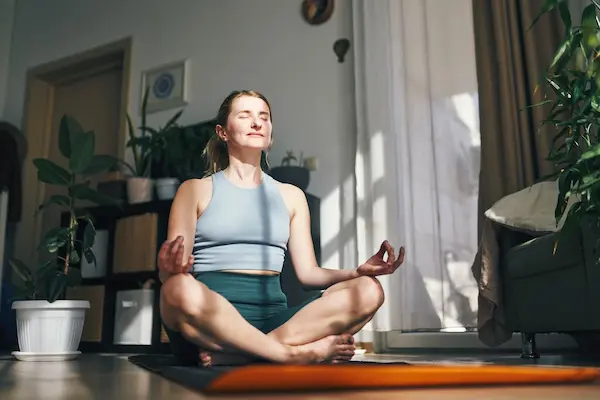
A realistic solution is to create morning fitness habits at home that are short, gentle, and easy to remember, so you can move your body for just 10 to 15 minutes and still feel a clear boost in wake up energy.
Rather than chasing intense workouts or complicated programs, it becomes far more sustainable to follow simple home workout sequences that fit between everyday morning tasks like making coffee, brushing your teeth, or checking your messages.
This article will walk you through warm, positive, and practical ideas to build a morning routine with gentle exercise, including sample 10 minute and 15 minute plans, stretching ideas you can use around the house, and habit stacking tips that connect movement to rituals you already have.
Every suggestion is designed for people who want to feel better in the mornings without pressure or perfectionism, and each step can be adapted to your current fitness level and personal schedule.
Why Morning Fitness Habits at Home Make Such a Difference

When you start your day with even a few minutes of movement, your body receives a clear signal that it is time to wake up, which helps your circulation, breathing, and mood shift out of sleep mode more smoothly.
Gentle exercise first thing in the day also makes it less likely that work, messages, and unexpected events will steal all of your energy before you have done something kind for your body.
Creating a morning routine at home that you can perform in pajamas or comfortable clothes reduces friction, because there is no commute, no need for special equipment, and no social pressure.
Over time, these small routines accumulate into powerful morning fitness habits at home that help you feel more stable, centered, and ready to focus on whatever the day brings.
- Short morning movement can improve alertness and concentration for the next several hours.
- Regular home workout practices build strength and mobility without relying on gym access.
- Gentle exercise can support stress management by calming your nervous system after sleep.
- Repeated routines create a sense of stability and control at the start of the day.
Setting Up Your Space for a Calm Morning Routine
Before deciding exactly which movements you will do, it helps to prepare a small, welcoming space at home so that your new habits feel easy to start and do not require lots of setup each morning.
The space does not need to be large or fancy, and a simple corner in your bedroom, living room, or hallway can work wonderfully if it feels safe and free from clutter.
Thinking ahead about where you will stand or sit, what you might need under your feet, and how to keep your surroundings calm will reduce excuses and hesitation when you wake up.
Quick Environment Checklist
- Clear a small area on the floor where you can stand with your arms outstretched without hitting furniture.
- Place a mat, folded blanket, or carpet where you will be doing your gentle exercise to keep your feet warm and stable.
- Keep a chair nearby for balance, seated movements, or support if dizziness or low energy appears.
- Lay out comfortable clothes or pajamas the night before so you are ready to move immediately.
- Turn off harsh lights and choose softer lighting if that feels kinder to your eyes upon waking.
A small amount of preparation turns your home into a quiet mini studio, which makes your morning fitness habits at home feel like a natural part of the environment instead of an extra task.
Principles for Sustainable Home Morning Workouts
To keep your morning routine realistic and enjoyable, it is helpful to follow a few guiding principles so that your home workout supports your well being instead of adding stress.
These principles act like gentle rules of thumb that you can come back to anytime you feel unsure about whether you are doing too much, too little, or just enough.
- Choose movements that feel kind to your joints and easy to remember, because complexity is less important than consistency in the early stages.
- Set a clear time limit between 10 and 15 minutes so that your mind knows the routine will finish quickly and does not resist starting.
- Keep your focus on how your body feels and how your wake up energy changes, rather than on burning calories or chasing appearance based goals.
- Allow yourself to modify or skip exercises on days when you feel extra stiff, tired, or unwell, without treating those changes as failure.
- Combine your movements with existing morning routine habits such as boiling water, brewing coffee, or waiting for the shower to warm, so that you remember to practice them.
Approaching your home workout with these principles makes it easier to stick with morning fitness habits at home for months and years, not just for a single enthusiastic week.
Five Minute Wake Up Mobility Flow for Gentle Mornings
On days when time feels very tight or your energy seems low, a simple five minute mobility sequence can be enough to loosen stiff muscles and help your mind feel more awake.
The following gentle exercise flow can be done barefoot or in socks on a non slippery surface, and you can perform it directly after getting out of bed or right after visiting the bathroom.
Five Minute Sequence
- Stand tall with your feet hip width apart, soften your knees slightly, and take three slow breaths while gently lifting your chest and relaxing your shoulders.
- Circle your shoulders forward and backward eight to ten times, moving slowly and noticing any spots that feel particularly tight or stiff.
- Tilt your head softly from side to side, bringing one ear toward the shoulder and then the other, without forcing anything or pushing into pain.
- Reach both arms overhead as if you are stretching after a long sleep, then slowly sweep them down and repeat this motion five or six times.
- Place your hands on your hips and gently rotate your pelvis in small circles, moving clockwise and counterclockwise several times to ease the lower back and hips.
- Shift your weight from one foot to the other, lifting the heel on the lighter side and letting your arms swing naturally to wake up your legs.
- Finish by standing still again, taking two deeper breaths, and noticing if you feel even slightly warmer, lighter, or more present in your body.
Treat this mobility flow as a doorway into the day, knowing that even if you do nothing else, you have still completed a meaningful piece of your morning routine.
Sample 10 Minute Morning Routine for Wake Up Energy
When you have a little more space in your schedule, a structured 10 minute home workout can blend gentle cardio, mobility, and light strength into one balanced session.
The routine below uses only your bodyweight and an optional chair, making it ideal for morning fitness habits at home when you prefer a simple and quiet environment.
10 Minute Home Workout Plan
- Minute 1 to 2: Easy Marching Warm Up
- March in place, lifting your knees to a comfortable height and swinging your arms naturally.
- Keep your chest open and look straight ahead, avoiding tension in your neck or jaw.
- Minute 3 to 4: Chair Sit to Stand
- Sit on a stable chair with your feet flat and your knees bent at roughly a right angle.
- Stand up by leaning slightly forward and pressing through your feet, then sit back down with control.
- Repeat for about 60 seconds, resting as needed and using your hands for support if that feels safer.
- Minute 5: Wall or Counter Push Ups
- Place your hands on a wall or sturdy counter at shoulder height with your body in a straight line.
- Bend your elbows to bring your chest slightly closer, then push back to your starting position.
- Move slowly, focusing on steady breathing and comfortable effort rather than speed.
- Minute 6: Standing Calf Raises
- Hold the back of a chair for balance and stand tall with your feet hip width apart.
- Lift both heels off the ground, pause briefly at the top, and lower them back down with control.
- Continue for the full minute, stopping early if you feel strong discomfort or cramping.
- Minute 7: Gentle Torso Rotations
- Stand with a soft bend in your knees and your arms relaxed at your sides or in front of your chest.
- Slowly rotate your torso to the right and left, turning from your middle rather than twisting sharply at the spine.
- Let your hips and feet move slightly if that feels more natural and comfortable.
- Minute 8: Light Balance Practice
- Hold a chair or place one hand on a wall and lift one foot slightly off the floor.
- Maintain this gentle balance for several breaths, then switch legs halfway through the minute.
- Lower the foot immediately if you feel unstable, and avoid this exercise if balance issues are significant.
- Minute 9 to 10: Stretching Cool Down
- Roll your shoulders gently again and stretch your arms forward, upward, and to the sides.
- Lightly stretch your calves by placing one foot behind the other and leaning forward while keeping the back heel down.
- Finish with slow breathing and a brief moment of gratitude for taking time to move.
Feel free to adjust the pace, number of repetitions, or length of each section to match your comfort level, always keeping the routine within a friendly 10 minute window.
Extended 15 Minute Morning Routine for Extra Energy
On mornings when you have a little more freedom, a 15 minute routine can add extra variety and slightly deeper work while still staying gentle enough for most beginners.
Adding just five minutes allows time for additional stretching and a bit more focus on core stability, which many people find improves posture and energy throughout the day.
15 Minute Home Workout Structure
- 3 minutes of full body warm up.
- 8 minutes of light strength and mobility circuits.
- 4 minutes of stretching and breathing to finish.
Detailed 15 Minute Plan
- Warm up with marching, shoulder circles, and gentle side steps for three minutes, gradually increasing your range of motion while staying comfortable.
- Move into a circuit of chair sit to stand, wall push ups, and calf raises, spending about one minute on each and repeating the circuit twice for a total of six minutes.
- Add a simple core block where you perform gentle standing or seated knee lifts, focusing on engaging your abdominal area while keeping your breathing relaxed for two minutes.
- Finish with four minutes of stretching, including chest opening stretches, light hamstring stretches, and a seated forward fold or comfortable child like position if your joints allow.
Mixing a little strength, mobility, and stretching in this way turns your morning fitness habits at home into a mini reset that affects your posture, mood, and confidence throughout the day.
Stretching Ideas You Can Combine With Usual Morning Activities
Many people find it easier to remember gentle exercise when it is linked directly to regular tasks they already do every morning, such as brewing coffee, washing their face, or checking the weather.
This method, often called habit stacking, allows you to blend stretching into your existing morning routine so that fitness becomes part of daily life instead of a separate chore.
While the Kettle or Coffee Brews
- Perform gentle calf stretches by placing one foot behind the other and leaning toward the counter with your hands.
- Circle your wrists and ankles slowly while you wait, paying attention to stiffness and moving only within a comfortable range.
- Roll your shoulders and gently stretch your arms overhead to open your chest after sleep.
After Brushing Your Teeth
- Stand tall and practice two or three slow neck stretches, tilting your head forward, backward, and side to side without forcing anything.
- Slide your hands down your thighs as you bend slightly forward with a straight back, then return to standing to mobilize your spine and hips.
- Take three deep breaths, expanding your ribs, and feel your feet pressing into the floor for grounding.
Just Before or After Your Shower
- Use the edge of a sturdy tub or wall for balance while you gently pull one heel toward your glutes to stretch the front of your thigh.
- Open your arms wide and squeeze your shoulder blades together, then cross your arms in front of your chest and repeat to ease upper back tension.
- Move your hips in slow circles or figure eight patterns to wake up your lower back and pelvis.
Choosing one or two of these stretching ideas and linking them to specific moments makes your morning fitness habits at home feel less like a separate workout and more like a natural part of your routine.
Habit Stacking Tips for a Reliable Morning Routine
Building new habits is easier when they are attached to actions you already perform automatically, such as turning off your alarm, opening the curtains, or pouring a glass of water.
By stacking your gentle exercise onto these existing behaviors, you create simple cues that remind you what to do without requiring extra willpower each day.
Practical Habit Stacking Examples
- After switching off your alarm, sit at the edge of your bed and complete three slow shoulder rolls and three deep breaths before standing.
- When you open your curtains, perform ten gentle arm circles and ten easy marches in place while looking outside for a moment.
- As soon as you start boiling water or the coffee machine, begin your five minute mobility flow so that the time passes with movement instead of waiting idly.
- After brushing your teeth, complete one minute of chair sit to stand or a similar simple exercise to strengthen your legs.
- When you finish your morning drink, take one extra minute to stretch your calves, chest, and neck before moving into the rest of your day.
Selecting just one or two of these combinations and repeating them consistently turns your morning routine into a chain of calm, energizing actions that support your health.
Checklists to Keep Your Morning Habits Clear and Simple
A short checklist that you can print or save on your phone helps you remember your new habits and gives you the satisfaction of ticking off items as you complete them.
Keeping everything visible and simple reduces decision fatigue, because each morning you can follow the checklist instead of wondering which movements to choose.
Daily Morning Fitness Checklist
- ☐ Take three relaxed breaths and gently stretch your shoulders after turning off your alarm.
- ☐ Complete a five minute mobility flow or simple wake up sequence.
- ☐ Perform at least one minute of light strength work such as sit to stand or wall push ups.
- ☐ Include one or two stretches while waiting for coffee, tea, or breakfast.
- ☐ Drink a small glass of water as part of your morning routine, according to your personal health needs.
Weekly Morning Routine Checklist
- ☐ Practiced your morning fitness habits at home on at least four days this week.
- ☐ Completed one full 10 minute routine or longer on at least two of those days.
- ☐ Noticed and wrote down at least one positive change in mood, energy, or comfort.
- ☐ Adjusted any movements that felt uncomfortable or too intense.
- ☐ Planned roughly when you will do your routines next week.
Using these checklists in a relaxed way can turn your home workout into a gentle game of collecting small wins throughout the week.
Safety and Comfort Guidelines for Morning Home Workouts
Gentle movement should feel supportive and safe, especially early in the day when your body is still waking up and your joints may feel stiff.
Keeping a few safety guidelines in mind can help you enjoy the benefits of morning fitness habits at home while reducing the risk of unnecessary discomfort or injury.
- Move slowly and increase intensity gradually, especially in your first few mornings, to give muscles and joints time to adapt.
- Stop immediately if you feel sharp pain, chest discomfort, strong dizziness, or sudden shortness of breath, and seek professional advice if symptoms persist.
- Use stable furniture, walls, or counters for balance if you feel wobbly, and avoid exercises that make you feel unsafe on your feet.
- Adjust the range of motion in each exercise so that you stay within a comfortable zone instead of forcing deeper positions.
- Talk with a qualified health professional before starting or changing routines if you have medical conditions or concerns about your heart, joints, or blood pressure.
Treating safety as a central part of your morning routine builds trust in your body and makes it more likely that you will continue practicing over the long term.
Common Challenges and Gentle Solutions
Even with the best intentions, most people encounter obstacles when trying to establish a new morning routine, especially when sleep, stress, or schedules fluctuate.
Anticipating a few common challenges and preparing kind responses can stop small setbacks from turning into complete stops.
Feeling Too Tired to Move
- Allow yourself to start with just one or two minutes instead of canceling the routine completely.
- Stay seated and perform upper body stretches if standing feels like too much on a particular morning.
- Focus on breathing and joint rotations rather than strength exercises when energy is very low.
Forgetting the New Habits
- Place a small note or symbol near your bed, coffee machine, or bathroom mirror to remind you about your morning fitness habits at home.
- Use phone alarms or calendar reminders that say one simple instruction like stretch for five minutes.
- Tell a friend or family member about your new routine and ask for gentle check ins if that feels supportive.
Losing Motivation After a Few Days
- Return to your original reasons for wanting more wake up energy and write them down where you can see them.
- Make the routine shorter and easier instead of quitting, so that you keep the habit alive with minimal effort.
- Celebrate very small achievements such as completing two mornings in a row or trying a new stretch.
Remember that every routine naturally includes imperfect days, and what truly matters is your willingness to come back and continue with small, manageable steps.
Listening to Your Body as You Build Morning Habits
A warm relationship with your body is one of the most powerful tools you can bring to your morning routine, because your sensations provide real time feedback about what is helping and what might need adjustment.
Paying attention to changes in breathing, tension, comfort, and mood allows you to tailor your home workout so it fits your unique needs rather than following a rigid plan.
- Notice whether you feel slightly more awake, more relaxed, or more focused after your routine.
- Observe any recurring spots of tightness, such as shoulders or hips, and add gentle stretches for those areas.
- Track how different lengths or types of routines influence your energy later in the morning.
- Adjust the mix of mobility, strength, and stretching based on what leaves you feeling best.
Treat each morning as a small experiment, and allow yourself to learn gradually what kinds of gentle exercise offer you the most wake up energy and comfort.
Bringing Your Morning Fitness Habits at Home Together
Creating a morning routine does not require perfection, expensive equipment, or long sessions, but it does benefit from clarity, kindness, and a little preparation.
By setting up a small space, following 10 minute or 15 minute home workout plans, weaving stretches into everyday tasks, and stacking habits onto rituals you already have, you can transform the first part of your day into a steady source of gentle energy.
Over weeks and months, these morning fitness habits at home can shape not only your body but also your mood, confidence, and sense of control over how each day begins.
Information in this article is offered for general educational purposes and does not replace personalized advice, diagnosis, or treatment from qualified health or fitness professionals who can consider your individual situation and medical history.
This content is independent and does not have affiliation, sponsorship, or control from any institutions, platforms, gyms, trainers, or other third parties that might operate in the fitness space, and you remain responsible for choosing how to apply these ideas in a way that respects your own body and circumstances.