
When people hear the phrase “meal prep,” they often imagine an entire fridge full of identical containers, complicated batch cooking sessions that take all Sunday, and strict weekly menu plans that leave no room for cravings or changing plans, yet meal prep basics for beginners can be much simpler and much more flexible than that image suggests.
Thinking of meal prep as a way to plan ahead rather than as a rigid rule set makes everything easier, because the main goal shifts from “being perfect” to “making it faster and less stressful to eat something decent when I am tired, busy, or short on time.”
At its core, meal prep for beginners is simply about preparing part of your food in advance so that future you has less chopping, cooking, washing, and deciding to do, which can mean full meals ready to grab, or just washed vegetables, cooked grains, and proteins stored separately and ready to combine in minutes.
For some people, meal prep basics might look like cooking one big pot of soup or chili that becomes several lunches, while for others it might mean batch cooking a tray of chicken, a pan of roasted vegetables, and a pot of rice that can be turned into different simple meals over three or four days.
- Full meals ready to reheat, such as portioned containers of pasta bake, curry with rice, or baked fish with vegetables.
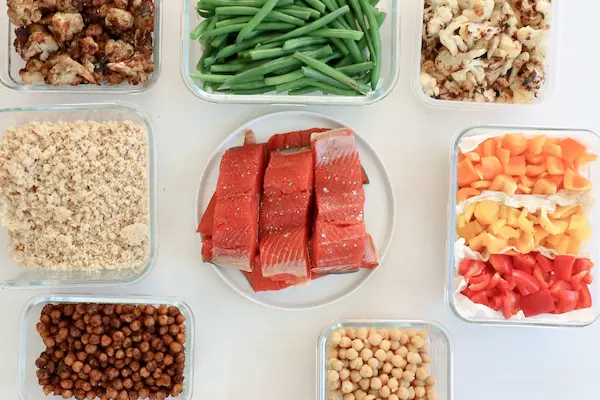
- Ready-to-assemble components, like cooked grains, roasted vegetables, and batch-cooked protein stored separately in the fridge.
- Grab-and-go items, including overnight oats, pre-portioned snacks, and cut fruit, that reduce morning chaos and last-minute choices.
- Partially prepped ingredients, such as chopped onions, washed salad greens, or peeled carrots, which shorten weekday cooking time.
Understanding that meal prep basics for beginners cover all of these simple strategies—not just perfectly lined-up containers—can reduce pressure and help you choose an approach that matches your kitchen, schedule, and comfort level.
Why Learning Meal Prep Basics Helps You Save Time and Stress

For a busy person who comes home hungry and tired, the hardest part of cooking is often not the actual cooking but the deciding, chopping, and cleaning, which is why planning ahead even a little can transform your evenings and your lunch breaks.
Instead of facing an empty fridge or a random mix of ingredients every night, a bit of batch cooking and a loose weekly menu mean you already know what you can throw together quickly, and much of the boring prep work has already been done on a day when you had more time and energy.
- Time is saved because you chop, cook, and wash dishes in larger batches, which is more efficient than repeating the same tasks from zero every single day.
- Stress is lowered because you have fewer “What on earth am I going to eat” moments, especially at the end of a long day or between busy meetings.
- Money can be saved because you use what you buy more completely, cook more at home rather than relying on last-minute takeout, and make better use of budget ingredients.
- Food safety can actually improve if you follow sensible storage tips, since leftovers are cooled and stored properly instead of sitting out too long and getting questionable.
When meal prep basics for beginners are approached as a gentle plan ahead system instead of a strict diet, they become a practical tool to support your life rather than another source of pressure.
Key Principles Behind Meal Prep Basics for Beginners
Principle 1: Start Small and Build Confidence
Trying to prep seven days of breakfast, lunch, and dinner all at once will probably feel overwhelming, especially if you have never done meal prep before, so beginning with one meal type or one part of the day often works much better.
- Pick just one goal to begin with, such as “I want ready lunches for work” or “I want breakfast to be easier on weekdays.”
- Choose one or two simple recipes or meal ideas you already like, rather than trying to learn several new dishes at the same time.
- Plan to prep for two to four days at first, instead of the entire week, so you can see what you enjoy and what you actually eat.
- After a week or two, add another small element, like a batch of snacks or an extra dinner recipe, once the first habit feels normal.
This gradual approach makes meal prep basics for beginners feel manageable, and it gives you space to learn from experience without wasting large amounts of food or energy.
Principle 2: Focus on Components, Not Just Complete Meals
While some people love having full meals pre-portioned in containers, many busy people prefer to have flexible components ready, because this allows more variety and less boredom while still keeping cooking time short.
- Cook a batch of grains, such as rice, quinoa, couscous, or pasta, and store them in containers to use as the base for several meals.
- Prepare one or two proteins, like baked chicken, tofu, hard-boiled eggs, or a pot of beans, and keep them in the fridge to mix into salads, wraps, or bowls.
- Roast or steam a tray of vegetables, or simply wash and cut raw vegetables, so you can fill half your plate quickly without extra chopping on weeknights.
- Make a simple sauce or dressing, for example a yogurt-based sauce or a basic vinaigrette, to change the flavor of similar ingredients across the week.
Looking at meal prep basics through the lens of “components first” gives you a flexible toolbox you can use to assemble different meals without feeling stuck eating the same thing every day.
Principle 3: Respect Food Safety From the Start
Preparing several portions of food at once is convenient, yet it also means you must pay more attention to storage, cooling, and reheating, because you want those meals to stay safe and tasty for several days.
- Cool cooked food quickly by spreading it in shallow containers before putting it into the fridge, instead of leaving large pots of hot food at room temperature for hours.
- Store most cooked dishes in the refrigerator for no more than three to four days, unless you freeze them for longer-term storage.
- Reheat leftovers until they are steaming hot all the way through, and avoid reheating the same portion more than once.
- Label containers with the name of the dish and the date it was cooked, so you know which items to eat first and which are too old to use.
Putting safety-aware habits into your meal prep routine from the beginning helps protect your health and prevents the disappointment of throwing away food you worked hard to prepare.
Principle 4: Keep the Weekly Menu Flexible and Realistic
Planning ahead can sound rigid, yet a good weekly menu for meal prep leaves room for changes, because busy schedules, social events, and energy levels rarely follow a perfect pattern.
- Create a loose weekly menu with a few specific meals and a few “flexible” slots where any prepped component can be used.
- Aim for variety across the week by including different proteins, vegetables, and flavors without making every meal totally unique.
- Plan at least one “leftovers night” where your goal is to use up prepped food rather than cook anything new.
- Allow yourself to swap nights or switch lunches and dinners around as needed, keeping the plan as a guide, not a strict contract.
When the weekly menu is designed with this kind of flexibility, meal prep basics for beginners become easier to maintain because they work with your life instead of against it.
Step-by-Step Meal Prep Flow for Beginners
Step 1: Look at Your Week Before You Touch the Kitchen
Effective meal prep starts on paper or on your phone, not at the stove, because you need to know how many meals you actually want to prepare and which days are the busiest before you decide what to cook.
- Check your calendar for evenings when you know you will be late or very tired, and mark those as high-priority meal prep days that need ready-to-eat options.
- Notice lunches you will eat at work, classes, or outside the home, and decide how many of those you want to bring from home.
- Think about any social plans, restaurant meals, or special occasions, and avoid prepping food for those times so it does not go to waste.
- Write a simple list that might look like “3 work lunches, 2 quick dinners, 1 big batch of snacks,” which becomes the basic target for your meal prep session.
Taking five to ten minutes to understand your week prevents over-prepping and ensures your plan ahead efforts match reality.
Step 2: Choose a Few Simple Meal Ideas or Component Sets
Once you know how many meals you want, the next step in meal prep basics for beginners is choosing what to make, and this works best when you keep the menu short and rely on recipes you either already know or can follow easily.
- Select one or two main dishes for lunches, such as a pasta bake and a grain bowl, or a soup and a wrap filling, rather than four or five different recipes.
- Pick one type of protein, one or two vegetables, and one carbohydrate base for batch cooking if you prefer a component-style approach.
- Make sure at least one meal or component is extremely simple, like roasted chicken and vegetables, so you are not overwhelmed with complex steps.
- Check that the meals you choose can store safely for the number of days you plan to keep them, and consider freezing a portion if needed.
Limiting the number of recipes while still including some variety makes meal prep feel more like an organized project and less like a full catering job.
Step 3: Create a Shopping List Based on Your Weekly Menu
Before you go to the store, turn your meal ideas into a clear shopping list that combines ingredients from every planned dish, which helps you save money and reduces the chance of forgetting something important.
- List ingredients by category, such as vegetables, proteins, grains, dairy, and pantry items, so shopping becomes faster and more organized.
- Check what you already have at home, especially items like rice, pasta, frozen vegetables, spices, and canned foods, so you do not buy duplicates unnecessarily.
- Adjust quantities when you realize you can use the same ingredient in more than one meal, such as using one large bag of carrots for a soup, a side dish, and snacks.
- Note any food storage containers, labels, or freezer bags you might need, because having the right containers ready is part of meal prep basics for beginners.
Walking into the store with a specific list centered on your weekly menu makes it more likely that you will come home with everything you need for meal prep and fewer impulse purchases that do not fit the plan.
Step 4: Set Up Your Kitchen for a Safe and Efficient Prep Session
On your chosen meal prep day, giving yourself a few minutes to organize tools and surfaces will make batch cooking smoother, reduce frustration, and help you practice good food safety habits.
- Clear counter space so you have one area for chopping, another for assembling containers, and a space for cooling food.
- Gather essential tools such as sharp knives, cutting boards, pots, pans, baking trays, measuring spoons, and utensils before you start.
- Arrange storage containers with their lids nearby, and keep labels or a marker ready so you can date each container as you fill it.
- Wash your hands thoroughly, and keep a towel or paper towel nearby for drying hands and wiping small spills, which supports safe meal prep.
Organizing your space at the beginning turns your kitchen into a small meal prep station, where plan ahead tasks feel orderly rather than chaotic.
Step 5: Cook in a Logical Order to Save Time
Cooking everything in a random sequence can lead to a crowded kitchen, so it helps to plan the order of tasks, starting with items that take the longest or can cook unattended while you work on something else.
- Begin with foods that need long oven or simmer time, such as baked dishes, roasted vegetables, or large pots of soup or chili.
- Start grains like rice, quinoa, or pasta next, since they usually take a fixed amount of time and can cook while you chop other ingredients.
- Prepare quick-cooking proteins, such as eggs, tofu, or pan-cooked chicken, once longer tasks are underway, to avoid waiting around.
- Chop raw vegetables and assemble cold items, like salads or overnight oats, toward the end, so they stay fresher for longer.
This kind of layered batch cooking flow means that while one part of your meal prep is in the oven, another part is on the stove, and a third part is being assembled, making efficient use of your limited time.
Step 6: Cool, Portion, and Store Meals Safely
After cooking comes a critical stage where you cool food properly, portion it into containers, and store everything in a way that keeps meals safe to eat and easy to find during the week.
- Spread hot food into shallow containers or onto baking trays for a short time so it cools faster before being placed in the refrigerator.
- Divide meals into single-serving containers if you want grab-and-go options, or use larger containers if your household usually serves from family-style dishes.
- Label each container with the name of the meal and the date it was cooked, which helps you use items in a safe order and avoid waste.
- Store items you will use within three to four days in the fridge, and put later-in-the-week meals or extra portions into the freezer as part of safe meal prep basics for beginners.
Treating this step with care means your plan ahead effort pays off all week, because your fridge and freezer will contain clearly labeled, safe, and ready-to-use meals and components.
Storage and Food Safety Tips for Beginner Meal Preppers
Fridge Storage Basics for Meal Prep
Knowing how long food can sit in the fridge safely and how to store different dishes reduces the risk of wasting food and helps you feel confident using your prepped meals.
- Most cooked meals, such as casseroles, soups, and cooked proteins, stay safe in the refrigerator for about three to four days when stored properly.
- Store raw meat, poultry, and fish separately from ready-to-eat foods, ideally on the bottom shelf in sealed containers to prevent drips.
- Use airtight containers for leftovers to slow drying out and to minimize cross-contamination between different foods.
- Place newer items toward the back and move older items toward the front, so you are reminded to eat them first.
Following these simple fridge storage habits keeps your batch cooking efforts both safe and practical for the week ahead.
Freezer Storage for Longer-Term Meal Prep
Using your freezer wisely turns meal prep into a powerful plan ahead tool, because you can cook once and benefit from that effort several weeks later when life becomes unexpectedly busy.
- Cool foods completely before freezing them, to prevent ice crystal buildup and help maintain texture.
- Package meals in freezer-safe containers or bags, with as much air removed as possible to reduce freezer burn.
- Label each item clearly with the name of the dish and the date frozen, and note any special reheating instructions if needed.
- Aim to use frozen home-cooked meals within about two to three months for the best quality, although many items remain safe for longer when stored properly.
Integrating freezer use into meal prep basics for beginners means that when you unexpectedly have no time to cook, you still have home-prepared options waiting.
Safe Reheating Practices for Prepared Meals
Once you have stored your food, reheating it safely and properly is the final key step, because you want meals to be both enjoyable and safe from harmful bacteria.
- Reheat leftovers until they are steaming hot all the way through, not just warm on the edges, especially for dishes containing meat or eggs.
- Stir food halfway through reheating in the microwave to avoid cold spots, and let it stand briefly after microwaving to even out the temperature.
- Thaw frozen meals in the fridge overnight when possible, or use the microwave defrost function if you plan to cook and eat them immediately.
- Avoid reheating the same batch of food multiple times; instead, reheat only the portion you plan to eat and keep the rest chilled or frozen.
Respecting these reheating guidelines allows you to enjoy the convenience of meal prep while keeping food safety front and center.
Simple Weekly Menu Examples Using Meal Prep Basics for Beginners
Example 1: Five Workday Lunches with Minimal Effort
For someone who mainly wants to avoid expensive or rushed lunches, a basic weekly menu focused on workday midday meals can be an excellent place to begin.
- Pick one grain base for the week:
- Cook a large pot of brown rice, quinoa, or couscous on your meal prep day.
- Choose two proteins:
- Baked chicken pieces or tofu cubes.
- A pot of seasoned beans or lentils.
- Prepare a vegetable mix:
- Roast a tray of mixed vegetables or use a big frozen vegetable blend.
- Assemble varied lunches:
- Days 1–2: Grain bowls with rice, chicken, roasted vegetables, and a simple sauce.
- Days 3–4: Grain bowls with rice, beans, vegetables, and different seasonings.
- Day 5: Leftover mix with any remaining components, served in a wrap or container.
This structure uses a small number of ingredients to produce a full workweek of lunches while still allowing flavor changes and simple customization.
Example 2: Three Quick Dinners for a Very Busy Week
For evenings when you come home late and want dinner ready in 15 minutes or less, a weekly menu with three prepped dinners can dramatically reduce stress.
- Meal 1: Sheet pan dinner
- On prep day, roast chicken or chickpeas with potatoes and mixed vegetables on a large tray.
- Store in containers and reheat portions as needed.
- Meal 2: Soup or chili
- Prepare a large pot of vegetable soup or bean chili.
- Cool, portion, and refrigerate some while freezing a few extra servings.
- Meal 3: Pasta with simple sauce
- Cook pasta on the prep day or quickly after work.
- Make a batch of tomato-based sauce with vegetables and beans or ground meat.
- Store the sauce in the fridge and combine with freshly cooked or reheated pasta.
Using these three dinners plus one or two nights of leftovers gives you an entire busy week with minimal last-minute cooking decisions.
Example 3: Flexible Weekly Menu for Mixed Goals
Many people want a combination of easy breakfasts, some ready lunches, and a couple of simple dinners, and meal prep basics for beginners can cover all three areas without becoming overwhelming.
- Breakfast prep:
- Prepare three jars of overnight oats with oats, milk or yogurt, and frozen fruit.
- Boil half a dozen eggs for quick protein in the morning or as snacks.
- Lunch prep:
- Make a large salad base with sturdy vegetables like cabbage, carrots, and beans.
- Store dressing separately and add it just before eating.
- Dinner prep:
- Batch cook one tray of roasted vegetables and a protein like chicken or tofu.
- Cook a pot of rice or pasta to pair with the roasted items.
- Snacks and extras:
- Portion nuts or trail mix into small containers.
- Wash and cut fruit or raw vegetables to keep at the front of the fridge.
This balanced approach gives you help at several points in the day without requiring you to prepare every single meal in advance.
Beginner-Friendly Batch Cooking Ideas by Ingredient
Proteins That Work Well for Meal Prep
Some protein foods handle batch cooking better than others, so starting with forgiving options can boost your confidence and give you reliable results.
- Chicken thighs or drumsticks baked with simple seasoning, which reheat well and stay moist.
- Ground meat cooked with onions and spices, then used for tacos, pasta sauces, or rice bowls.
- Firm tofu pressed, marinated, and baked in cubes, staying tasty for several days in the fridge.
- Beans and lentils simmered with basic spices and stored in containers for wraps, salads, and stews.
- Hard-boiled eggs kept in their shells in the fridge for quick protein additions.
Rotating between these options keeps your meal prep menu varied while still using straightforward batch cooking methods.
Grains and Carbohydrate Bases to Batch Cook
Cooking grains in larger quantities gives you a versatile base for many meals, and they usually store and reheat well, making them ideal for beginners.
- Rice, either white or brown, prepared in a pot or rice cooker, then cooled and stored in shallow containers.
- Quinoa cooked with water or broth, then used in grain bowls, salads, or as a side dish.
- Pasta cooked until just tender, cooled quickly, and tossed with a little oil to prevent sticking.
- Roasted or boiled potatoes, cut into chunks or slices, ready to be reheated or crisped up in a pan later.
With these carbohydrate bases ready, assembling a balanced plate on busy days becomes a much simpler task.
Vegetables That Are Beginner-Friendly for Meal Prep
Not all vegetables store equally well after cooking, so starting with ones that hold up in the fridge and freezer makes meal prep basics for beginners smoother.
- Root vegetables like carrots, sweet potatoes, and parsnips, which roast well and stay firm for several days.
- Cruciferous vegetables such as broccoli, cauliflower, and Brussels sprouts, which can be roasted or lightly steamed in batches.
- Bell peppers and onions, which roast or sauté quickly and add flavor to many simple recipes.
- Frozen mixed vegetables, which require no washing or chopping and can be added to rice, soups, or stir-fries at any time.
Preparing these vegetables once or twice a week can drastically increase how often they appear on your plate without adding daily work.
Basic Tools and Containers That Make Meal Prep Easier
Essential Tools for Meal Prep Basics
Although you do not need a fully equipped kitchen to begin batch cooking, a few basic tools will make your meal prep sessions faster, safer, and more enjoyable.
- A sharp chef’s knife and a smaller paring knife for comfortable chopping and trimming.
- Two or more cutting boards to keep raw meat separate from vegetables and cooked foods.
- Medium and large pots and pans for boiling grains and cooking soups or stews.
- At least one baking tray or sheet pan for roasting vegetables and proteins in the oven.
- A colander or strainer for rinsing beans, draining pasta, and washing produce.
Gathering these tools before your first major prep session helps the process feel smoother and anchors your new habit in a practical way.
Storage Containers and Labels
Choosing good containers and using labels thoughtfully is a key part of meal prep basics for beginners, because it directly affects freshness, safety, and how easy it is to grab what you need.
- Use containers in a few standard sizes so they stack neatly in your fridge and freezer without wasting space.
- Choose containers that seal well and are suitable for reheating in the microwave if you plan to reheat meals this way.
- Keep masking tape or sticky labels and a permanent marker in the kitchen to quickly mark contents and dates.
- Consider using clear containers when possible so you can see what is inside at a glance and avoid forgotten items.
Organized storage and clear labeling turn a pile of cooked food into a practical weekly menu you can follow without confusion.
Common Pitfalls and How to Avoid Them
Beginning Too Big and Burning Out
One of the most common beginner problems is planning an ambitious batch cooking marathon that tries to cover every meal, only to feel exhausted and reluctant to repeat the process the next week.
- Limit your first few meal prep sessions to one part of the day, such as lunches, and expand only when that feels easy.
- Avoid choosing only complex recipes; include at least one extremely simple dish every time you plan ahead.
- Remember that snacks and components count as meal prep too and can take less time than full meals.
Respecting your energy levels helps you build meal prep basics that last instead of pushing you into an unsustainable pattern.
Ignoring Food Safety and Losing Confidence
Another pitfall is becoming anxious about whether prepped food is still safe to eat, or realizing too late that something has spoiled because it stayed too long in the fridge.
- Follow simple rules like refrigerating cooked food within two hours and using most leftovers within three to four days.
- Label everything with dates so you are not guessing how long items have been stored.
- Trust your senses; if something smells off, looks unusual, or leaves you unsure, it is safer to discard it.
Developing these cautious but straightforward habits builds trust in your meal prep system and reduces unnecessary worry.
Making the Menu Too Strict or Boring
If every prepped meal is the same, you might become tired of eating them by midweek, which can lead to wasted food and a sense that meal prep is not for you.
- Use different seasonings or sauces on the same base ingredients to create variety without extra work.
- Switch up how you serve the same components, such as rice and vegetables in a bowl one day and in a wrap the next.
- Plan at least one or two “fresh cook” nights where you make something simple on the spot, so the week does not feel entirely pre-planned.
Adding small flavor and format changes keeps your weekly menu interesting while still relying on batch cooking foundations.
Beginner Meal Prep Checklist You Can Print or Save
Step-by-Step Checklist for Meal Prep Basics for Beginners
Having a clear checklist makes the whole process feel more organized, and you can adapt the following list into your own printable or digital version to use every week.
- Check your calendar and decide how many breakfasts, lunches, dinners, and snacks you want to prep.
- Choose one to three simple recipes or component sets that you already know or can follow easily.
- Write a shopping list organized by category and check your pantry and fridge for items you already own.
- Shop for ingredients and any containers or labels you might need.
- Pick a specific prep day and time, ideally when you have a few uninterrupted hours.
- Clear counter space and gather tools and containers before cooking.
- Cook in a logical order, starting with items that take the longest.
- Cool, portion, label, and store food safely in the fridge or freezer.
- Place a copy of your weekly menu somewhere visible so you remember what you have.
- At the end of the week, review what worked, what did not, and note one small improvement for next time.
Using this checklist repeatedly helps transform meal prep basics for beginners into a reliable, low-stress routine that supports your busy life.
Bringing Meal Prep Basics for Beginners Into Your Everyday Routine
Learning meal prep basics for beginners does not mean turning your kitchen into a restaurant or sacrificing all spontaneity; rather, it means using batch cooking, simple plan ahead habits, and a flexible weekly menu to give yourself fewer hard choices at the end of a long day.
Each time you chop a few extra vegetables, cook a larger pot of grains, divide leftovers into containers, or plan two workday lunches in advance, you are quietly building a system that saves you time, reduces stress, and supports more consistent eating patterns.
Over a few weeks, these practical steps begin to compound, and you will likely find that opening your fridge feels less like facing a problem and more like choosing from several helpful options you prepared for yourself ahead of time.
With an organized, step-by-step approach that respects food safety and uses basic tools, meal prep basics for beginners can become a steady part of your routine, helping you eat well, save time, and move through your busy days with one less thing to worry about.