
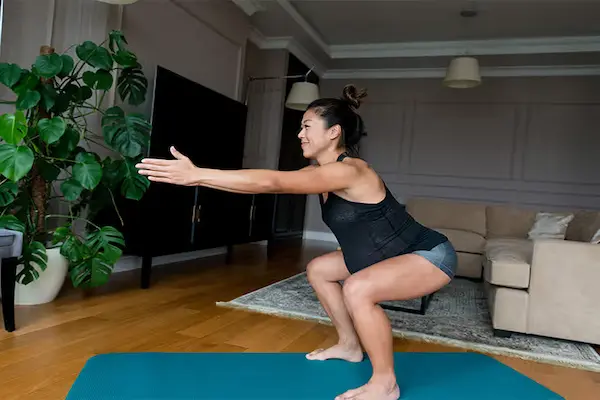
When you focus on low impact workout ways at home, movement becomes softer, more controlled and more respectful of your current comfort level, because each gentle routine and set of soft exercises is designed to keep at least one foot on the floor, avoid heavy pounding and allow you to move at a pace that matches your breathing and energy.
Many people want to move more but feel unsure about what is safe for their joints, especially if they are returning after a long break, carry extra weight, live with stiffness or have been told to be careful with impact, which is exactly where joint friendly home exercise can offer a practical, reassuring middle ground between doing nothing and doing too much.
Throughout this guide, several low impact workout ways at home will be described in clear steps, including lists of gentle options, examples of short routines you can try, modification ideas to make movements softer or more stable, and reminders to listen to your body and respect your own limits, while also encouraging you to speak with health professionals when you have medical questions or ongoing pain.
What “Low Impact” Really Means for Your Joints
Understanding the term “low impact” helps you choose activities that support your goals without placing unnecessary stress on sensitive areas, because impact refers mainly to how much force travels through your body when your feet or hands meet the floor, which is very different from how challenging a movement feels in terms of effort or muscle work.
Characteristics of Low Impact, Joint Friendly Exercise
- Movements often keep at least one foot or hand in contact with the floor or a stable surface, reducing pounding and sudden forces.
- Transitions between positions are slower and more controlled, which allows your muscles and joints time to adapt to each change.
- Range of motion can be adjusted easily, so you can work within a comfortable zone instead of forcing large, uncomfortable stretches or bends.
- Balance support from a chair, wall or countertop is common, which adds safety and confidence for people who feel unsteady.
- Breathing stays relatively steady, and you can often talk in full sentences, even if your heart rate and warmth increase gently.
Recognizing these features in any activity allows you to decide more confidently whether it fits within low impact workout ways at home that feel appropriate for your current level and joint comfort.
Safety First: Important Considerations Before You Start
A gentle approach begins well before the first stretch or step, because joint friendly exercise is not only about the moves themselves but also about how you prepare, how you monitor your body and how willing you are to stop or modify when something feels wrong.
Questions to Ask Yourself Before Exercising
- Have you spoken with a health professional recently about any major joint issues, injuries, surgeries or medical conditions that might affect exercise choices.
- Do you experience pain, significant swelling, unusual warmth or instability in any joint even when you are not exercising.
- Are you taking medications that influence balance, heart rate or blood pressure, which might change how your body responds to movement.
- Is the area where you plan to exercise free from clutter, slippery rugs, cables and furniture edges that could cause falls.
- Do you have a stable chair, wall or countertop nearby that you can use for support if you feel unsteady.
Joint Friendly Exercise Safety Tips
- Begin with a very short gentle routine, often just five to ten minutes, and only increase time when you feel comfortable and recovered after previous sessions.
- Stop any movement that causes sharp, sudden or worsening pain, and avoid pushing through serious discomfort in the hope that it will disappear.
- Use soft footwear or supportive socks on non-slippery surfaces if you prefer not to be barefoot, paying attention to how your feet feel.
- Keep water available and allow yourself small breaks to breathe and check how your body responds to each section of the workout.
- Seek professional advice when pain persists, joints feel unstable, or dizziness and chest discomfort appear, instead of trying to manage those symptoms with home routines alone.
These precautions are not meant to discourage you from moving; instead, they exist to make low impact workout ways at home feel safer and more sustainable, especially when you are just starting out.
List of Low Impact Workout Ways at Home
Gentle routines can take many forms, and different activities will feel more or less appealing depending on your personality, your space and the kind of movement your joints tolerate best, so it helps to see a range of joint friendly options you can mix and match.
1. Standing Marching and Step Touches
- Marching in place with a soft knee lift and relaxed arms, using a counter or wall for balance if needed.
- Side-to-side step touches, where one foot steps out and the other taps toward it, performed slowly without jumping.
- Forward and backward step patterns that mimic walking in place, keeping movements small and controlled.
2. Chair-Based or Supported Strength Work
- Seated marches, which involve lifting one knee at a time while sitting tall in a sturdy chair.
- Chair sit-to-stand movements, where you rise from the seat and sit back down with control, using hands for support when necessary.
- Wall push-ups or countertop push-ups that strengthen the upper body without the pressure of floor-based versions.
3. Gentle Mobility and Stretch Sequences
- Controlled neck rotations and side tilts within a comfortable range to ease stiffness.
- Shoulder rolls and arm circles performed slowly to mobilize upper joints without strain.
- Hip circles and gentle torso twists, carried out with attention to how the lower back and hips feel.
4. Low Impact Balance and Stability Work
- Single-leg stands while lightly holding a chair or wall, with the option to lift one foot just a few centimeters off the floor.
- Tandem stance, where one foot is placed directly in front of the other, standing still while focusing on posture and breathing.
- Heel-to-toe walking along a hallway or imaginary line, with the option to touch a wall if balance feels uncertain.
5. Floor or Bed Exercises for Those Who Can Get Up Safely
- Glute bridges performed lying on your back with knees bent, lifting hips gently and lowering slowly.
- Pelvic tilts to gently mobilize the lower back in a very controlled manner.
- Simple side-lying leg lifts with minimal height to reduce strain on hips and back.
Trying one or two items from these categories allows you to build low impact workout ways at home that feel personalized and aligned with your joint comfort level.
Warm-Up: Soft Exercises to Prepare Your Body
Even gentle routines benefit from a warm-up, because slow preparation helps joints lubricate, muscles activate and your mind transition from daily tasks to body awareness, all of which reduce the chance of pulling or straining something unexpectedly.
Step-by-Step Warm-Up Example
- Start with relaxed breathing and posture
Stand or sit tall, let your shoulders drop away from your ears, and take three slow breaths in and out. - Add shoulder rolls
Roll shoulders forward and backward in gentle circles, about eight to ten repetitions in each direction. - Move into neck and torso mobility
Tilt your head slightly side to side, rotate gently to look over each shoulder, and then perform a few small torso twists while keeping hips mostly facing forward. - Warm the lower body
March in place or while seated for one to two minutes, lifting knees as high as feels comfortable, and finish with slow heel raises while holding onto a stable surface.
After this series, your body should feel slightly warmer and more aware of movement, which sets a good foundation for the low impact workout ways at home that follow.
Gentle Routine Examples: Low Impact Ways to Exercise at Home
Having lists of soft exercises is helpful, yet many beginners also appreciate complete routine examples that show how to combine movements into 10–20 minute sessions, and the following options demonstrate how you can structure your time while still honoring your joints and comfort.
Routine 1: Seated and Supported Beginner Session (Approximately 10 Minutes)
- Seated posture reset (1 minute)
Sit on a sturdy chair, place feet flat on the floor, elongate your spine gently and take several calm breaths. - Seated marches (2 minutes)
Lift one knee at a time, alternating legs while keeping your torso upright; use hands on the seat for extra support if necessary. - Seated leg extensions (2 minutes)
Straighten one leg slowly until you feel a gentle effort in the thigh, then lower; alternate legs for 8–10 repetitions each. - Seated arm reaches (2 minutes)
Raise one or both arms overhead or to shoulder height as comfortable, then lower, focusing on slow, steady movement and avoiding shrugging. - Ankle circles and heel raises (2 minutes)
Circle each ankle gently, then place feet on the floor and lift heels up and down with control while holding the chair. - Cool-down breathing (1 minute)
Sit quietly, notice your breathing and any sensations of warmth or effort, and allow your body to settle.
People who prefer to remain seated or need extra stability can repeat this session several times per week, increasing duration only when it feels comfortable.
Routine 2: Standing Low Impact Circuit (Approximately 15 Minutes)
- Gentle warm-up marching (3 minutes)
March in place with small steps, swinging arms smoothly and keeping knees within a comfortable range. - Wall push-ups (2 minutes)
Place hands on a wall at shoulder height, step back slightly and bend elbows to bring your chest toward the wall, then push away; aim for sets of 8–10 with rest in between. - Chair sit-to-stand (3 minutes)
Sit on a chair, then stand up and sit down with control, using hands on the armrests if needed; perform 6–10 repetitions, resting briefly when required. - Side step touches (3 minutes)
Step one foot to the side and bring the other to meet it, alternating directions while keeping the pace slow and deliberate. - Heel-to-toe walking (3 minutes)
Walk along an imaginary line in your room, placing one foot directly in front of the other, using a wall or countertop for light support. - Stretching and breathing (1–2 minutes)
End with gentle stretches for calves, thighs and shoulders, plus a few slow breaths before returning to daily activities.
Joint friendly starters can use this routine two or three times per week, adjusting repetition counts according to how their joints and energy feel that day.
Routine 3: Low Impact Mobility and Relaxation Flow (Approximately 20 Minutes)
- Standing body scan (2 minutes)
Stand with feet hip-width apart, notice how your weight feels on each foot, and breathe slowly while checking in with ankles, knees, hips, back and shoulders. - Neck and shoulder release (3 minutes)
Perform gentle neck tilts and rotations, followed by shoulder rolls and slow arm circles within a comfortable range. - Torso and hip mobility (4 minutes)
Add controlled torso twists, side bends and hip circles, making sure each movement remains pain free and smooth. - Supported squats or mini bends (4 minutes)
Using a chair or countertop for balance, bend your knees slightly as if to sit, then straighten; do not go lower than feels safe for your joints, and repeat 6–10 times with rest as needed. - Gentle calf and hamstring stretches (4 minutes)
Place one foot slightly in front, flex the ankle if comfortable and lean forward carefully to stretch the back of the leg; alternate legs and hold each stretch lightly. - Deep breathing and posture reset (3 minutes)
Sit or stand comfortably, allow your spine to lengthen, and take several slow breaths, noticing any areas that feel more relaxed or mobile than when you started.
Finishing with a relaxation-focused segment reminds you that low impact workout ways at home are not only about strength or cardio but also about helping your body feel calmer and more at ease.
Modification Tips: Making Soft Exercises Even Gentler
The same movement can feel very different from one person to another, which means modification is a central part of low impact workouts, because adjusting a position, support or range of motion often turns a challenging motion into a joint friendly, manageable exercise.
Ways to Adjust Intensity and Impact
- Reduce the depth of any bending exercise, such as squats or lunges, by lowering only a small amount instead of aiming for deep positions.
- Shorten the duration of each exercise, performing 20–30 seconds instead of a full minute when starting out.
- Slow the pace, focusing on controlled movements and steady breathing rather than fast repetitions.
- Use stable support, including a chair, wall or counter, during balance exercises to reduce the risk of falls and make joints feel safer.
- Alternate working segments with slightly longer rest breaks when joints or muscles feel tired.
Examples of Joint Friendly Modifications
- If marching in place feels jarring, shift to gentle weight transfers from one foot to the other while lightly rocking your hips.
- If chair sit-to-stand bothers knees, place a cushion on the seat to reduce the distance you need to rise and sit, or practice partial stands with more hand support.
- If wall push-ups cause wrist discomfort, press your forearms against the wall instead, keeping elbows bent and aligned under shoulders.
- If balance work feels unstable, keep more contact points with the floor by slightly widening your stance and touching a sturdy surface with one or both hands.
- If floor exercises are hard to access safely, adapt many of them to a bed or couch, using extra care and support as you move.
Any time an exercise feels too intense for your joints, choosing one of these modification paths is usually more helpful than avoiding movement altogether.
Progressing Safely: How to Build Up Gentle Routines Over Time
Once your body becomes more comfortable with low impact workout ways at home, you may want to increase the challenge slightly, and progression can remain joint friendly if you move carefully and pay attention to how you feel during and after sessions.
Gradual Progression Ideas
- Increase total time by a few minutes per week, such as adding one extra exercise or a slightly longer warm-up, instead of doubling your routine overnight.
- Increase repetitions in small steps, for example moving from six to eight, then to ten, only if your joints feel okay into the next day.
- Add a second session on a different day once the first workout feels comfortably manageable, leaving rest days between more active days.
- Introduce slightly more complex movements, like gentle step patterns or combined upper and lower body motions, while keeping impact low.
Signs to Slow Down or Seek Advice
- Pain that intensifies or persists beyond typical mild soreness, especially sharp or throbbing joint pain.
- Swelling, redness or warmth in joints that appears clearly after exercise sessions.
- Repeated episodes of dizziness, chest discomfort, severe shortness of breath or palpitations during gentle activities.
- Sensation that joints are giving way, locking or feeling unstable during or after movement.
When such signs show up, slowing your progression or consulting a health professional becomes an important part of respecting your body and keeping low impact workout ways at home both safe and beneficial.
Integrating Gentle Movement Into Your Day
Structured routines are useful, yet many people find that sprinkling small bits of movement throughout the day feels less intimidating and more compatible with busy schedules, which means low impact workout ways at home can include mini-breaks as well as formal sessions.
Ideas for Short Movement Breaks
- During television breaks, stand and perform simple heel raises, shoulder rolls and gentle torso twists instead of remaining seated the entire time.
- After long periods at a desk, take two or three minutes to march lightly in place, stretch your calves and reset your posture.
- While waiting for the kettle or microwave, practice supported single-leg balance or small squats using the counter for stability.
- Before bed, add a brief mobility routine of neck, shoulder and hip circles to help your body release tension from the day.
Over many weeks, these short, joint friendly movements add up and can reduce stiffness while supporting your gentle routine practice.
Quick Reference Checklists for Gentle, Joint Friendly Home Workouts
Simple checklists can help you remember key points when you feel tired or uncertain, and they can also reassure you that even a modest session counts as meaningful progress toward more comfortable movement.
Pre-Workout Checklist for Low Impact Sessions
- ☐ Space is free of obstacles, loose rugs and anything you could trip on.
- ☐ Chair, wall or countertop is available for support if you need extra balance.
- ☐ Comfortable clothing and appropriate footwear or non-slip socks are ready.
- ☐ You have eaten and hydrated in a way that feels comfortable for your body, avoiding extremes of hunger or fullness.
- ☐ You have decided in advance whether today’s routine will be short, moderate or slightly longer, so you can stop without guilt when that goal is reached.
Post-Workout Reflection Prompts
- How do joints and muscles feel immediately after the session compared with before you started.
- Did any movement cause pain or discomfort that felt different from normal effort, and should that movement be modified or replaced next time.
- How is your breathing and energy level now; do you feel calmer, more alert or simply pleasantly tired.
- What small success can you acknowledge, such as completing the warm-up, trying a new exercise, or noticing that something felt easier than last week.
- Is there anything you want to adjust in the next routine, like duration, number of repetitions or support used.
Returning to these questions after each session keeps you in dialogue with your body and reinforces the idea that respecting limits is a strength, not a failure.
Final Thoughts and Respect for Individual Limits
Gentle movement at home can be a powerful ally when you want to feel stronger, more mobile and more confident without irritating your joints, and using low impact workout ways at home allows you to experiment with soft exercises, joint friendly routines and careful progression in a familiar environment.
While this guide offers many ideas and structured examples, it is still important to remember that every body is different, and what feels easy for one person may feel challenging for another, so comparing yourself harshly to others rarely helps and may lead you to push past your own comfortable limits.
Consulting health professionals such as doctors, physiotherapists or other qualified movement specialists becomes particularly important when you have ongoing pain, diagnosed joint conditions, recent injuries or medical questions, because they can help you tailor these low impact workout ways at home to your specific situation and provide more detailed guidance about what is safe and appropriate for you.
Ultimately, moving gently, listening carefully and progressing slowly form the heart of joint friendly exercise, and even small, consistent steps—like a ten-minute routine or a few minutes of marching and stretching—can become meaningful habits that support comfort, confidence and wellbeing over time.