
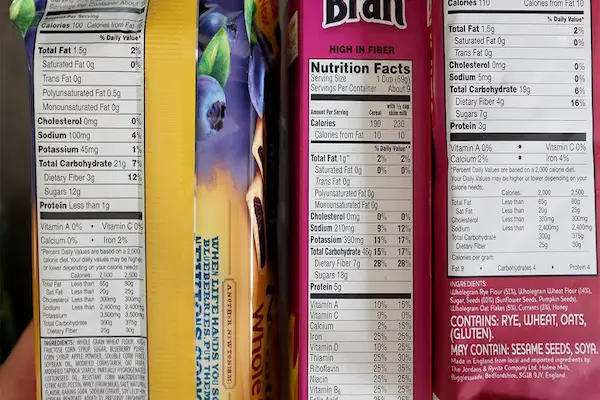
Food labels were created so that shoppers could see basic facts about what is inside a package, and although the exact layout and rules vary from country to country, most systems include the same core ideas such as a nutrition label, an ingredients list, information about sugar content, and some indication of portion size, which means that once you understand these building blocks you can use them almost anywhere.
Rather than trying to memorize every possible number, this article focuses on teaching a clear sequence you can follow in the store, explaining what each key field means, showing how to compare products, and ending with a quick reference mini guide that you can mentally carry with you whenever you shop.
Why Learning How to Read Food Labels Makes Shopping Easier

Many public health agencies encourage people to read the nutrition label and ingredients list because these tools help you check sugar content, salt levels, types of fat, and important nutrients like fiber or protein, which in turn can support long term health when used along with overall eating patterns and lifestyle.
- Better label skills make it easier to compare similar products, such as two breakfast cereals or two yogurts, and pick the one that suits your goals.
- Understanding portion size on the label helps you avoid accidental overeating simply because the package contains several servings that look like one.
- Recognizing different names for sugar or fats in the ingredients list allows you to spot heavily sweetened or ultra processed items more quickly.
- Reading the label consistently can highlight foods that bring more fiber, vitamins, or minerals, supporting everyday nutrition choices.
- Skepticism toward front-of-pack marketing claims grows naturally once you know how to check the detailed information on the back or side of the package.
What You Usually See on a Food Package
While the exact format differs by region, most pre-packaged foods include several main information areas, and knowing where each one sits helps you find what you need without scanning aimlessly.
Main Label Sections to Know
- Nutrition label or nutrition information panel, showing serving size, calories, and amounts of nutrients such as fat, sugars, protein, and sodium.
- Ingredients list, normally placed near the nutrition label and written in order of weight from most to least.
- Allergen information, which may appear within the ingredients list itself or in a separate bolded statement listing common allergens.
- Front-of-pack messages, including logos, health claims, “light” or “high in fiber” statements, and sometimes warning or rating symbols depending on local regulations.
- Storage and preparation notes, which explain how to keep the food safe and how to prepare it correctly.
With that overview in mind, the next sections will walk through how to read food labels step by step, starting at the top of the nutrition label and finishing with the ingredients list and front-of-pack messages.
Step 1 – Begin With the Serving Size and Portion Information
One of the most important facts on any nutrition label is the serving size, because every other number on that panel, including sugar content, fat, and calories, is calculated based on that amount rather than on whatever you personally happen to eat in one sitting.
Serving Size vs Your Portion Size
- The serving size is the standard amount chosen by the manufacturer according to local rules, used as the basis for the nutrition numbers on the label.
- Your portion size is the actual amount you eat, which may be smaller or larger than the serving listed on the package.
- Packages often contain more than one serving; for example, a small bag of chips might list two servings, even though most people would likely eat the whole bag at once.
- Checking the number of servings per container helps you understand whether the whole package counts as one portion for you or if it is meant to be shared or eaten across several occasions.
Practical Examples of Serving Size Checks
- A cereal box may list one serving as 40 grams or about a certain fraction of a cup; if your usual bowl holds twice that amount, you are consuming two servings.
- A soft drink bottle might contain 500 milliliters while the label uses 250 milliliters as the serving; finishing the bottle doubles all the nutrient and calorie numbers shown.
- A frozen meal often shows calories and nutrients for the entire tray, meaning the serving size and your portion size match, which makes that particular label easier to interpret.
Once you have a sense of how the serving size compares to your typical portion, every other number on the label becomes more meaningful, because you can mentally multiply or divide according to what you will actually eat.
Step 2 – Look at Calories in the Context of the Serving
The calorie line usually appears near the top of the nutrition label and shows how much energy is provided by one serving, and this figure helps you compare similar products or see how a food fits into your overall daily intake.
Using Calories in a Practical Way
- Instead of treating calories as a strict target to hit exactly, many people use them as a rough indicator of how heavy or light a food is compared with alternatives.
- Comparing two snacks where one offers 80 calories per serving and the other 250 calories for the same portion size can guide you if you are looking for a lighter option in that moment.
- Very large differences in calories between otherwise similar items may reflect added fats, sugars, or larger serving sizes, which you can confirm by reading the rest of the label.
Common Misunderstandings About Calorie Numbers
- A higher calorie food is not automatically “bad”; nuts and seeds, for example, are energy dense yet bring useful nutrients and healthy fats.
- A lower calorie item can still be high in sugar or very low in nutrients, which is why calories should be read together with the rest of the label, not alone.
- Daily calorie needs vary widely by age, size, activity level, and health conditions, so the calorie number on labels is a comparison tool rather than a personal prescription.
Step 3 – Check Fat Types: Total Fat, Saturated Fat, and Trans Fat
After serving size and calories, many shoppers move to the fat section, where the nutrition label usually lists total fat followed by specific types such as saturated fat and, in many systems, trans fat, since different fat types have different health implications.
How to Interpret the Fat Lines
- Total fat shows the overall amount of fat in the serving, combining all types.
- Saturated fat is a type of fat that public health guidance generally recommends limiting, because high intake can raise LDL cholesterol for many people.
- Trans fat, when listed, is usually something to avoid as much as possible; some labels may show 0 grams yet the ingredients list still includes partially hydrogenated oils, indicating small amounts per serving.
- Some labels also show unsaturated fat categories, such as monounsaturated and polyunsaturated fats, which are generally considered more favorable when replacing saturated fats within an overall balanced diet.
Do-and-Consider List for Fat on Labels
- Do compare saturated fat content between similar products and lean toward options with less saturated fat per serving when everything else is similar.
- Do look at the ingredients list for oils; consider products using non-hydrogenated plant oils instead of those with partially hydrogenated oils or large amounts of palm oil.
- Consider your portion; even a moderate saturated fat content per serving can add up quickly if you eat several servings in one sitting.
- Consider your overall pattern during the day; a slightly higher fat content at one meal may be fine if other meals are lower in saturated fat and include plenty of vegetables and whole grains.
Step 4 – Understand Carbohydrates, Fiber, and Sugar Content
The carbohydrate section of a nutrition label can look intimidating at first, yet it becomes easier when broken down into total carbohydrates, dietary fiber, and different types of sugars, with some regions also listing added sugars separately.
What the Carbohydrate Lines Usually Mean
- Total carbohydrates count all digestible carbs and fiber in the serving, including starches and sugars.
- Dietary fiber indicates the portion of carbohydrates that your body cannot fully digest, which supports digestion and can help you feel more satisfied.
- Total sugars include naturally occurring sugars in ingredients like fruit or milk, along with any added sugars from syrups, honey, or other sweeteners.
- Added sugars, where listed separately, show how much sugar has been added during processing beyond what is naturally present in the raw ingredients.
Why Added Sugar Information Matters
- Public health guidance typically suggests keeping added sugars to a modest share of daily energy intake, because very high intakes are linked with increased risk of certain health conditions.
- Some products, especially drinks, cereals, snacks, and sauces, may contain significant amounts of added sugars even when they appear savory or “light.”
- Knowing the grams of added sugar per serving, and multiplying by how many servings you actually eat, gives a clearer picture of how much sweetener you get from that item.
Spotting Sugar in the Ingredients List
Beyond the numbers on the nutrition label, the ingredients list reveals which sweeteners are used, since sugar can appear under many names.
- Common names include sugar, brown sugar, honey, maple syrup, glucose, fructose, sucrose, molasses, and agave nectar.
- Other sweeteners might appear as corn syrup, high fructose corn syrup, maltose, dextrose, or concentrated fruit juice.
- Multiple types of sugar sometimes appear separately in one ingredients list, which can keep each one from appearing very high but still add up to a significant total amount.
A practical habit is to choose products where sugar, in any form, appears lower down in the ingredients list when you are trying to limit sweeteners, especially for everyday items like cereals, yogurts, and drinks.
Step 5 – Pay Attention to Sodium and Salt
Sodium, which often comes from salt added during processing, is another key line on many nutrition labels, because high intake is linked with increased risk of high blood pressure for many people, and numerous processed foods contribute to sodium intake even when they do not taste extremely salty.
How to Use the Sodium Number
- Look at sodium per serving and multiply if your portion will be larger than the serving size on the label.
- Compare similar products, such as canned soups or sauces, and select options with less sodium per serving when taste and price are acceptable to you.
- Notice items that combine high sodium with large serving sizes, as these can contribute a significant proportion of your daily sodium intake in a single meal.
Do-and-Consider List for Sodium
- Do be cautious with products like instant noodles, canned soups, deli meats, and salty snacks, which often have relatively high sodium levels.
- Consider rinsing canned beans or vegetables, where appropriate, to reduce some surface sodium if this fits your cooking habits.
- Consider your total daily pattern and talk with a health professional if you have conditions where sodium intake needs closer management.
Step 6 – Look at Protein and Selected Vitamins and Minerals
Protein, vitamins, and minerals normally appear further down the nutrition label, and although they are often not the first thing you check in a hurry, they provide useful context about how nourishing a food is beyond calories and sugar content.
Protein on the Label
- Protein quantity per serving can highlight whether a snack or meal will help with fullness and contribute to your overall protein intake.
- Comparing protein content among yogurts, cereals, or snack bars can help you select options that are more satisfying while still aligning with your taste and budget.
- Very low protein content in a snack might be fine occasionally, yet relying only on such foods may leave you less satisfied and more likely to snack repeatedly.
Vitamins and Minerals
- Different countries require different nutrients to be listed, but many labels highlight elements such as calcium, iron, vitamin D, or potassium.
- Checking these lines can be helpful if you know you need more of a particular nutrient; for example, someone looking to increase iron intake might compare breakfast cereals or plant based milks using the iron line and percentage values.
- Fortified foods can contribute meaningfully to vitamin and mineral intake, yet focusing on overall dietary patterns including whole foods remains important.
Step 7 – Use % Daily Value (%DV) as a Quick Guide
Many nutrition labels include a column that shows the percentage of a recommended daily intake for each nutrient per serving, often called the % Daily Value or a similar term, and this column is designed as a simple reference rather than a precise requirement for each individual.
How to Read % Daily Value
- A low percentage indicates that one serving contributes a small share of the suggested daily amount for that nutrient.
- A high percentage means the serving provides a larger share, which can be either positive or negative depending on whether the nutrient is one to get more of or one to limit.
- Some public health explanations suggest simple thresholds, such as regarding around 5% as low and around 20% as high, although these are general guides rather than strict lines.
Limitations of % Daily Value
- Reference values are based on an average adult with specific energy needs, so your personal requirements may be higher or lower.
- Children, older adults, and people with certain health conditions may have different recommendations, so the same %DV could mean something different for them.
- Even with these limitations, %DV remains useful as a quick comparison tool between products and as a way to spot very high or very low values at a glance.
Step 8 – Read the Ingredients List Like a Detective
The ingredients list is where you can see exactly what has been added to the product, because regulations generally require ingredients to be listed in order of weight from highest to lowest, which means the first few items make up most of what you are eating.
What the Order of Ingredients Tells You
- If sugar, refined flour, or saturated-fat heavy ingredients appear at the very top, the product is likely to be less aligned with most healthy eating patterns.
- When whole foods such as whole grains, beans, vegetables, or fruit appear early in the list, you can infer that they make up a substantial part of the product.
- Long lists with many additives, stabilizers, or flavorings indicate more processing; this does not automatically make a food harmful, but it can influence your choices if you prefer less processed items when possible.
Names to Watch in Ingredients Lists
- Sugars and sweeteners can appear under many names, as described earlier, and seeing several of them suggests notable sweetening even if each appears midway down the list.
- Fats and oils may be listed as vegetable oil, palm oil, coconut oil, or specific named oils; partially hydrogenated oils signal trans fat content in some systems.
- Whole grains are usually indicated by words like whole wheat, whole oats, or whole barley, whereas refined grains might appear as wheat flour or enriched flour.
Allergens and Special Notes
- Common allergens such as milk, eggs, nuts, soy, wheat, fish, and shellfish are often highlighted in bold or listed in a separate “contains” statement near the ingredients list.
- Statements like “may contain” or “produced in a facility that also processes” certain allergens alert people who are very sensitive or who have severe allergies.
- Checking this part of the label is critical for anyone with food allergies or intolerances and useful for those buying food for others with specific needs.
Step 9 – Be Cautious With Front-of-Pack Marketing Claims
Front-of-pack claims and logos are designed to catch your eye quickly, and while some official symbols aim to provide simple guidance, many marketing phrases highlight only one positive aspect of a food while downplaying less favorable details, which is why learning how to read food labels on the back or side remains essential.
Examples of Common Claims and How to Respond
- “Low fat” may still accompany a product that is high in sugar, so it is wise to check both the sugar content and serving size on the nutrition label.
- “High in fiber” can be helpful, yet looking at added sugar and overall calories helps you see the full picture, especially with cereals and snack bars.
- “Natural” is often loosely defined and does not automatically mean low in sugar, salt, or unhealthy fats.
- “No added sugar” indicates that no sweeteners were added, although the product can still be high in natural sugars, as with fruit juices.
Front-of-Pack Symbols and Warnings
- Some countries use star ratings, traffic light colors, or warning symbols on the front of packages to show when items are high in sugar, salt, or saturated fat.
- These systems are designed to give a rapid overview, yet they work best when combined with a quick look at the detailed nutrition label and ingredients list, especially if you have specific health concerns.
- Relying only on positive endorsement logos without checking the numerical information can sometimes lead to choices that do not fully match your goals.
Quick Reference Mini-Guide: How to Read Food Labels in Under 30 Seconds
When you are in a hurry at the supermarket, you may not have time to analyze every detail, so a short mental checklist can help you apply the main ideas quickly.
Ten-Second Scan
- Check the serving size and ask whether you usually eat that amount or more.
- Glance at calories and see if they make sense for the portion you plan to eat.
- Look at saturated fat, added sugars if listed, and sodium to see if any of them appear very high per serving.
Thirty-Second Comparison Between Two Products
- Confirm that serving sizes are similar so that comparisons are fair.
- Compare added sugar or total sugar content and lean toward the option with less sugar if everything else feels equal.
- Check saturated fat and sodium and choose the product with lower amounts when you are trying to limit these nutrients.
- Scan the ingredients list to see which option begins with whole foods rather than refined flours or added sugars.
When You Have a Bit More Time
- Look at fiber content and prefer higher fiber products within the same category, such as cereals, breads, or crackers.
- Notice protein content, especially for snacks and breakfast foods, as more protein may keep you satisfied longer.
- Check whether the food adds useful vitamins or minerals that you may want more of, based on your overall diet and any advice from health professionals.
Everyday Examples of Using Label Skills in the Supermarket
Applying these steps to concrete situations makes label reading more intuitive, so the following scenarios show how a shopper might use the nutrition label and ingredients list to choose between common products.
Example 1: Choosing a Breakfast Cereal
- Start with serving size; check whether both cereals use similar amounts, such as 40 grams or one cup.
- Compare sugar content, especially added sugars; a cereal with several teaspoons of added sugar per serving may be less ideal as an everyday breakfast than one with a modest amount.
- Look at fiber; many people prefer cereals with higher fiber to support digestion and fullness.
- Check ingredients: look for whole grains near the top and be cautious if sugar or sweet syrups appear as the first or second ingredient.
Example 2: Choosing a Yogurt
- Note the serving size; ensure you are comparing single pots of similar volume.
- Check protein; Greek-style or strained yogurts tend to have more protein per serving than some flavored varieties.
- Examine sugar content; fruit flavored yogurts may have higher added sugars, whereas plain yogurt with fruit you add yourself generally allows more control.
- Scan the ingredients for sweeteners and flavorings, especially if you prefer simpler products.
Example 3: Choosing a Savory Snack
- Check how many servings the bag contains and how large a serving is compared with what you usually eat.
- Look at total fat and saturated fat and consider whether those numbers work for your snack goals.
- Assess sodium; savory snacks can be a major source of salt, so comparing options can be helpful.
- Read ingredients; some snacks are based mainly on whole foods like nuts or seeds, while others rely more on refined starches and flavor enhancers.
Final Notes on Country Differences, Personal Needs, and Getting Help
Food labeling rules differ between regions and are updated over time, yet the central ideas described here, such as checking serving size, calories, sugar content, fat types, sodium, and the ingredients list, remain useful because most systems share these core elements in some form.
Individual needs also vary, so someone living with diabetes may focus particularly on carbohydrate and sugar content, another person with high blood pressure might prioritize sodium information, and someone with a food allergy will pay close attention to allergen statements, which means the same label can serve different purposes for different shoppers.
When questions arise about how to apply label information to your specific health situation, such as managing chronic conditions or balancing nutrients in a special diet, speaking with a qualified health professional or registered dietitian can help you adapt these general principles into a personalized strategy while still using the label as a practical tool every time you walk down the supermarket aisle.
Overall, learning how to read food labels is less about memorizing every number and more about building a clear, repeatable routine: start with serving size, scan calories and key nutrients, read the ingredients, and use that information alongside your preferences, budget, and health goals to make choices that work for your life one shopping trip at a time.