
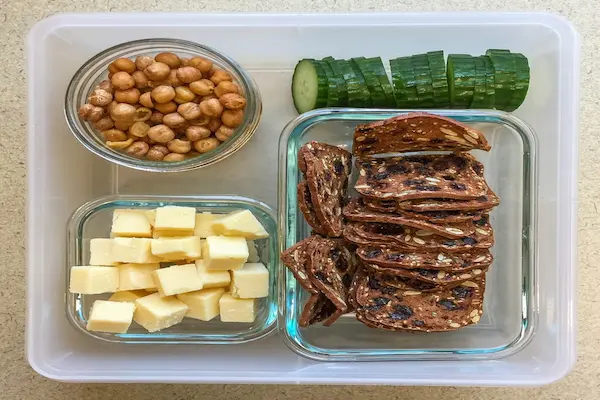
Healthy snack ideas for work do not need to be complicated, expensive, or perfectly clean in order to help you avoid going many hours without eating, and focusing on simple, portable, balanced snacks that actually fit into your day can make a bigger difference than chasing the latest trendy office snacks or strict rules that are impossible to follow.
A realistic approach recognizes that you may not have a fridge to yourself, that some days you forget to prep ahead, and that sometimes the best thing you can do is grab a quick option that gives you enough energy at work to keep thinking clearly without feeling overly full, sleepy, or guilty about what you chose.
This guide will walk through categories of quick options you can mix and match, show balanced snacks that combine protein, fiber, and healthy fats, give planning and storage tips that work in a regular office or remote setup, and offer basic portion suggestions that are easy to visualize without weighing or counting every bite.
Why Healthy Snack Ideas for Work Matter More Than You Think
Going too long without eating often leads to a drop in energy, focus, and mood, which can nudge you toward grabbing whatever is closest, whether that means a box of cookies in the break room, a sugary drink from the vending machine, or fast food on the way home because you arrive exhausted and overly hungry.
Having a few planned office snacks on hand can smooth out your energy at work, reduce the chance of that desperate late afternoon crash, and make it easier to arrive home feeling calm enough to make a decent meal instead of raiding the kitchen in a hurry.
Instead of thinking of snacks as something to avoid, it can help to view them as small, strategic meals that fill the gap between breakfast, lunch, and dinner, particularly when meetings get moved, lunch breaks shrink, or your schedule is unpredictable.
- Planned snacks can stop long stretches of hunger that push you toward overeating later in the day.
- Balanced snacks that combine carbohydrate, protein, and healthy fats can support steadier energy at work instead of quick spikes and crashes.
- Portable options allow you to eat something reasonable even when you cannot leave your desk for a full lunch at the usual time.
- Having simple choices ready reduces decision fatigue, since you will not need to debate food whenever you feel hungry.
- Small, realistic changes to your snack routine can improve overall eating patterns without turning your life into one long diet.
Core Principles for Choosing Office Snacks That Work in Real Life
Before picking specific healthy snack ideas for work, it helps to have a few straightforward guidelines, because these principles can simplify choices and keep your approach flexible rather than rigid.
- Look for snacks that offer at least some protein or fiber so they feel more satisfying than pure sugar or refined starch alone.
- Choose options that are simple to carry, store, and eat at your desk or break area without needing a full kitchen setup.
- Plan for your actual workday, including how many hours you are usually away from home and how often you realistically like to snack.
- Include options that you enjoy the taste of, because a balanced snack you do not like will simply sit in your drawer until you ignore it.
- Consider your budget by leaning on affordable staples and store brands, saving higher priced specialty items for when you genuinely want them.
- Avoid strict rules such as “no snacks after a certain time” and instead focus on hunger, energy, and practicality.
Snack Categories: A Simple Framework for Healthy Snack Ideas for Work
Thousands of possible combinations exist, yet most satisfying office snacks fall into a few basic categories, and using these groups can make it easier to build a short list of go to options you can rotate through the week.
Category 1: Fruit Based Office Snacks
Fruit gives you natural sweetness, fiber, and some hydration, and it pairs very well with protein rich foods when you want more staying power.
- Whole fruits that travel well, such as apples, bananas, oranges, mandarins, pears, or grapes in a small container.
- Pre cut fruit from home, like melon cubes, pineapple, or sliced kiwi stored in a reusable box.
- Frozen fruit thawed in a container in the office fridge if you have access, which can be eaten solo or mixed into yogurt.
- Canned fruit in juice or water drained into a small container for an easy desk snack.
- Dried fruit such as raisins, apricots, dates, or cranberries in small amounts, ideally combined with nuts or seeds for balance.
Category 2: Vegetable Based Snacks for Energy at Work
Vegetables might not be the first thing you think about when craving an office snack, yet when they are paired with dips, cheese, or other flavorful items, they can become easy healthy snack ideas for work that add crunch without feeling like punishment.
- Baby carrots or carrot sticks in a small bag or container.
- Cucumber slices, cherry tomatoes, and sugar snap peas that require minimal prep.
- Bell pepper strips in different colors for variety and sweetness.
- Celery sticks paired with peanut butter, hummus, or cheese spread for added satisfaction.
- Mixed veggie boxes prepared once and eaten over a couple of days if storage is available.
Category 3: Protein Focused Quick Options
Including protein in your office snacks often helps you stay full longer and may reduce rummaging for more food just an hour later, especially when your workday is long or mentally demanding.
- Plain or lightly sweetened yogurt cups, which can be paired with fruit or granola.
- Individual cheese portions or small blocks, such as cheddar, mozzarella, or cheese sticks.
- Hard boiled eggs prepared at home and brought in a container.
- Canned tuna or salmon in easy open pouches, eaten with crackers or bread.
- Hummus or other bean based dips in small containers with vegetables or whole grain crackers.
- Roasted chickpeas or other crunchy legumes sold as snacks, or made at home in batches.
- Nut butters like peanut or almond butter packaged in small squeeze packets or brought from home in a mini jar.
Category 4: Whole Grain and Fiber Rich Balanced Snacks
Carbohydrate sources that contain fiber, such as whole grains, can give you a more stable energy at work than options made mostly from white flour and added sugar.
- Whole grain crackers or crispbreads as a base for cheese, hummus, or nut butter.
- Oat based snack bars with modest sugar content and recognizable ingredients.
- Air popped or lightly oiled popcorn stored in small bags or containers.
- Mini whole grain pita pockets or small whole wheat tortillas used to wrap leftovers or fillings like beans and vegetables.
- Leftover boiled potatoes or sweet potatoes eaten cold or at room temperature with a pinch of seasoning.
Category 5: Mixed Snacks That Combine Several Elements
Balanced snacks often combine at least two components, for example pairing fruit with nuts or vegetables with a protein rich dip, and thinking in terms of pairing can make your healthy snack ideas for work more satisfying.
- Fruit and nut trail mix made at home with unsalted nuts, seeds, and a modest amount of dried fruit.
- Yogurt parfaits layered with fruit and a spoonful of oats or granola in a reusable jar.
- Snack boxes containing cheese cubes, whole grain crackers, and sliced vegetables or olives.
- Mini bean and cheese wraps using small tortillas, canned beans, and shredded cheese.
- Oatmeal cups prepared at work by adding hot water or milk to instant plain oats, then topping with fruit and seeds.
Balanced Snack Examples for Different Situations at Work
A long morning, an intense afternoon, or a late meeting all feel different in your body, so it can be useful to match snack ideas to the situation rather than treating every moment the same.
Mid Morning Energy at Work
- An apple or banana with a small handful of nuts such as almonds or peanuts.
- Plain yogurt with a spoonful of muesli and a little honey if you prefer sweetness.
- Whole grain crackers with cheese slices and some cherry tomatoes.
- Oat based snack bar plus a piece of fruit on days when you need something purely grab and go.
Pre Meeting or Pre Commute Snacks
- Hummus with carrot sticks and cucumber slices in a small container.
- Cheese stick with a piece of fruit and a few whole grain crackers.
- Boiled egg with a small portion of leftover rice or potato and a bit of seasoning.
- Trail mix portioned into a small container alongside water or unsweetened tea.
Late Afternoon Crash Prevention Snacks
- Yogurt with fruit and a sprinkle of seeds or crushed nuts for protein and fiber.
- Small tortilla or pita filled with beans and vegetables for a mini wrap.
- Popcorn plus a piece of fruit for volume and a touch of sweetness.
- Snack box with a little of everything: nuts, cheese, veggies, and a couple of crackers.
Planning Tips: How to Make Healthy Snack Ideas for Work Actually Happen
Having a mental list is helpful, yet turning that list into snacks that actually appear in your bag or desk drawer requires a bit of planning, which can still stay simple and low pressure.
Weekly Planning in a Few Steps
- Decide how many workdays you want snacks for, and how many snacks per day you usually need based on your schedule and appetite.
- Choose two or three snack categories for the week, for example fruit plus nuts, yogurt options, and veggie plus dip combinations.
- Write a short shopping list that includes only a few key ingredients you can mix and match for those categories.
- Spend a few minutes after one grocery trip portioning some items into small containers or bags so you can grab them quickly each morning.
- Keep a written or digital list of your favorite office snacks so you do not have to reinvent ideas every time you shop.
Night Before or Morning Of Routines
- Place snacks near your keys, bag, or laptop so you are less likely to forget them when leaving home.
- Store shelf stable options like nuts, crackers, and bars directly at work so you need only add fresh items like fruit when you arrive.
- Check what you still have in your desk drawer or office fridge before shopping, so you can rotate options and avoid waste.
- Pack at least one extra snack on days when you expect late meetings, heavy workloads, or possible schedule changes.
Storage Ideas for Office Snacks and Remote Work Setups
The right storage makes it much easier to keep healthy snack ideas for work ready and safe to eat, whether you are in a shared office, a home office, or a hybrid environment.
Storage for Shelf Stable Office Snacks
- Use a dedicated drawer or box at your desk for items like nuts, seeds, crackers, bars, and popcorn.
- Label containers with the date you opened them if snacks tend to linger, helping you stay aware of freshness.
- Choose small airtight containers or resealable bags to protect food from moisture and odors.
- Keep sweet items like candy separate if you prefer not to see them constantly while reaching for planned snacks.
Storage for Refrigerated Office Snacks
- Use clear containers with your name on them if you share a fridge with coworkers.
- Opt for smaller containers to save space and encourage reasonable portions.
- Store yogurt, cheese, dips, cut vegetables, and pre prepared fruit in a consistent area so you can find them quickly between tasks.
- Rotate older items to the front of your container or shelf, placing new additions behind them to reduce forgotten food.
Storage Ideas for Remote and Home Office Snacks
- Keep a small snack basket near your workspace with pre portioned options so you are not constantly walking to the kitchen to “browse.”
- Prepare snack plates or containers in advance, similar to how an office worker would pack food, so you can reach for something ready instead of grazing from packages.
- Use your fridge and pantry to store bulk items, but store only what you want available during work hours near your desk.
Basic Portion Suggestions Without Strict Rules
While exact portions depend on your size, activity level, and hunger, rough guides can help you put together balanced snacks without turning your day into a math exercise.
Simple Portion Ranges for Balanced Snacks
- Fruit: one medium piece, one cup of cut fruit, or a small handful of dried fruit when combined with other items.
- Vegetables: about one cup of raw vegetables such as baby carrots, cucumber slices, or bell pepper strips.
- Nuts and seeds: a small handful, roughly the size of your cupped palm, which often corresponds to two to three tablespoons.
- Crackers or crispbreads: one small stack, usually around one serving on the package, paired with protein or vegetables.
- Yogurt or dips: one small container or half a cup, depending on packaging and your hunger.
Combining Portions into Office Snacks
- Choose one item from the fruit or vegetable category as your base, such as an apple or a cup of raw vegetables.
- Add a protein source in a modest portion, such as a yogurt cup, a boiled egg, or a small handful of nuts.
- Include a grain or extra fiber source if you need more staying power, for example whole grain crackers, popcorn, or oats.
- Adjust up or down depending on how hungry you are at that moment and how close your next meal will be.
- Observe how long the snack keeps you comfortable, and change portions slightly over time based on your personal experience.
These suggestions are meant as starting points that you can adapt to your own needs, rather than rigid rules you must follow perfectly every day.
Putting It All Together: A Sample Workweek Snack Plan
It can be easier to apply healthy snack ideas for work when you see them laid out across a week, so the following example shows how one person might organize snacks without making food the main focus of their day.
Example Weekly Snack Outline
- Monday: mid morning apple with peanut butter; afternoon yogurt with berries.
- Tuesday: mid morning carrots and hummus; afternoon trail mix portion and a mandarin.
- Wednesday: mid morning whole grain crackers with cheese; afternoon banana and a handful of nuts.
- Thursday: mid morning yogurt with oats and fruit; afternoon popcorn and sliced cucumber.
- Friday: mid morning snack box with veggies, cheese, and crackers; afternoon oat based bar and grapes.
This kind of plan still leaves room for days when you skip a snack because you are not hungry or accept a treat a coworker brought in, and you can simply adjust without considering the week ruined.
Gentle Reminders for a Low Pressure Approach
Before finishing, it is worth repeating that the goal is not a perfect office snack record but a set of simple habits that make it easier to go through your workday without extreme hunger, brain fog, or constant guilt about what you ate.
- Progress can mean going from no planned snacks to one planned option a day, not necessarily switching everything at once.
- Enjoying a cookie, cake, or chips at work does not cancel your other balanced snacks; it is simply one part of the bigger picture.
- Adjustments are allowed; if a certain snack leaves you too full or too hungry, you can change it without judging yourself.
- Budget and convenience matter, so choosing realistic office snacks you can afford and access is more useful than aiming for ideal but impractical items.
Important Health and Independence Note
Information in this article is general, practical guidance and does not replace personalized advice, diagnosis, or treatment from qualified healthcare or nutrition professionals who can consider your individual health history, allergies, medications, and specific needs.
If you have medical conditions such as diabetes, digestive disorders, food allergies, or other concerns that affect how you should eat, discussing snack choices and overall eating patterns with a professional who knows your situation is a wise step before making major changes.
This content is independent and is not sponsored, endorsed, or controlled by any institutions, platforms, brands, workplaces, or third parties, and you remain responsible for deciding how to apply these healthy snack ideas for work in a way that feels realistic, safe, and appropriate for your own body, preferences, and daily routine.