
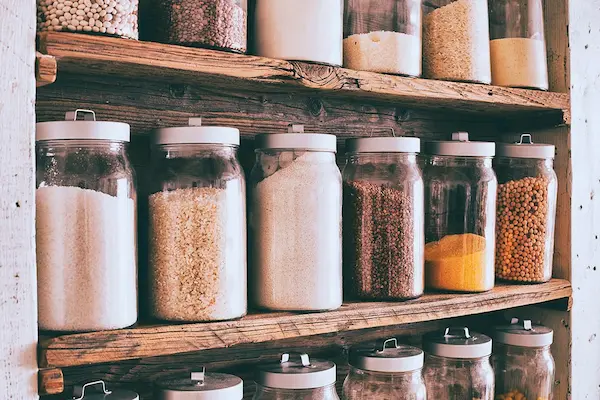
Cooking at home becomes much less stressful when your shelves already hold the ingredients you need for quick, balanced meals, because instead of asking “What can I possibly make,” you start asking “Which of my easy options do I want tonight,” and that shift in mindset often comes directly from having the right pantry list in place.
Healthy pantry staples to buy act like a quiet backup system that supports you on busy nights, low-energy days, and last-minute plan changes, since shelf stable foods wait patiently until you are ready to use them, cost less per serving than frequent takeout, and combine in dozens of different ways once you know a few simple formulas.
Many people imagine a healthy kitchen as something complicated and expensive, yet a well-chosen set of budget staples—grains, beans, basic canned goods, oils, spices, and a few long-lasting vegetables—can cover most everyday meals without needing fancy products or long recipes.
This article walks through practical grocery basics and storage ideas, offering a clear pantry list broken into categories, examples of how to combine those ingredients into meals, and simple suggestions to keep everything organized so that you can actually find and use what you buy.
How to Use This Pantry List Without Feeling Overwhelmed
Seeing a long list of healthy pantry staples to buy can feel inspiring and intimidating at the same time, so it helps to treat the list as a menu of options rather than a set of rules you must follow completely on your next grocery trip.
- Start from what you already have:
- Take ten minutes to look through your shelves and note which budget staples are already present, such as rice, pasta, or canned tomatoes.
- Mark items that are nearly empty or missing completely, and let this become the first layer of your next pantry list.
- Pick a few new items per trip:
- Choose three to five healthy pantry staples to buy each time you shop instead of trying to stock everything in one go.
- Focus on one category at a time, for example grains on one trip, canned proteins on another, and spices the next time.
- Match purchases to simple meals:
- Before adding an item to your cart, think of at least two quick meal ideas that use it, such as “chickpeas for salad and curry.”
- Write these pairings on a note or in your phone so you remember them later when you are tired and hungry.
- Plan storage as you buy:
- Check that you have space for new grocery basics and that opened items can be stored in airtight containers, jars, or resealable bags.
- Group categories together on shelves, like all grains in one area and all canned goods in another, so you can see your options quickly.
When you treat this guide as a gradual upgrade plan instead of an all-or-nothing project, building a pantry of shelf stable staples becomes manageable, even with a busy schedule and a modest budget.
Healthy Pantry Staples to Buy: Grains and Carbohydrate Basics
Whole Grains and Fiber-Rich Options
Grains sit at the heart of many simple homemade meals, and choosing a few whole-grain, fiber-rich budget staples gives you a base for bowls, soups, salads, and side dishes that can be dressed up with whatever else you have on hand.
- Brown rice or mixed rice blends:
- Use as a base for stir-fries, grain bowls, curries, and quick fried rice with leftover vegetables.
- Cook extra and store in the fridge or freezer for fast meals later in the week.
- Rolled oats:
- Turn into hot oatmeal, overnight oats, or simple baked oat cups for breakfast and snacks.
- Add a handful to meatballs, veggie patties, or smoothies for extra texture and fiber.
- Quinoa or other small grains (bulgur, millet, couscous):
- Prepare as a quick side dish, or toss with beans and chopped vegetables for a budget-friendly salad.
- Use in stuffed vegetables, soups, or as a lighter alternative to heavier pasta dishes.
- Whole grain pasta:
- Serve with tomato sauce, canned tuna, and frozen vegetables as an easy weeknight dinner.
- Use leftovers in pasta salads with beans, chopped vegetables, and a simple dressing.
These grains are classic healthy pantry staples to buy because they are shelf stable, versatile, and relatively cheap per serving compared with many convenience foods.
Other Budget-Friendly Carbohydrate Staples
Not every grain in your pantry needs to be whole grain, and a mix of options helps you build meals that feel comforting, realistic, and easy to adapt to different tastes.
- White rice:
- Cook faster than brown rice and still works well as a base for stir-fries, soups, and rice bowls.
- Combine with beans, vegetables, and seasonings for simple, low-cost meals.
- Regular pasta in various shapes:
- Use shapes like penne, fusilli, or shells for baked dishes, quick sauces, and cold salads.
- Mix part whole grain and part regular pasta as a gentle step toward more fiber.
- Instant or quick-cook grains (couscous, quick barley, instant brown rice):
- Ideal for nights when you are short on time but still want a home-cooked base for vegetables and proteins.
- Combine with canned beans and canned tomatoes for a fast stew-like dish.
- Crackers and crispbreads (preferably whole grain):
- Serve alongside soups, dips, or canned fish for quick lunches or snacks.
- Spread with nut butter or hummus when you need a fast bite between tasks.
Balancing whole grains with a few lighter options gives you flexibility without losing the long-term benefits of fiber-rich grocery basics.
Protein-Rich Pantry Staples: Beans, Fish, Nuts, and More
Beans, Lentils, and Other Legumes
Beans and lentils are some of the most affordable and nutritious healthy pantry staples to buy, because they are shelf stable, high in protein and fiber, and fit into everything from soups to salads to wraps.
- Canned beans (black beans, kidney beans, chickpeas, cannellini):
- Open, rinse, and toss into salads, grain bowls, or quick stews with canned tomatoes and spices.
- Mash with olive oil and seasonings for spreads, dips, or simple bean patties.
- Dried beans (for larger batches and lowest cost):
- Cook big pots in a slow cooker or on the stove, then freeze in meal-size portions.
- Use in chili, curries, refried beans, and traditional dishes from your culture.
- Lentils (brown, green, red):
- Brown and green lentils hold their shape for salads and grain bowls.
- Red lentils cook quickly and melt into soups and sauces for thickness and protein.
- Split peas and other pulses:
- Turn into thick soups or stews that freeze well and stay budget-friendly.
- Blend with spices to create dips or spreads alongside crackers and vegetables.
Keeping several types of legumes on your pantry list means you always have a protein option ready, even when the fridge looks empty.
Canned Fish and Shelf Stable Animal Proteins
For people who eat fish or other animal products, a few canned or jarred options make powerful grocery basics that last for months and bring quick protein to meals.
- Canned tuna, salmon, or sardines:
- Combine with yogurt or a little mayonnaise, plus herbs and chopped vegetables, for fast sandwich fillings.
- Stir into pasta with canned tomatoes and garlic, or top salads and grain bowls to make them more satisfying.
- Shelf-stable tofu (silken tofu in cartons):
- Blend into sauces, smoothies, or soups for extra protein and creaminess.
- Use in simple desserts or custards with fruit and a bit of sweetener.
- Long-life milk or plant drinks (in cartons):
- Store in the pantry until opened; use for oatmeal, smoothies, sauces, or baking.
- Choose fortified versions when possible to increase nutritional value.
These shelf stable proteins offer convenience on days when fresh meat, fish, or refrigerated tofu is not available, supporting healthy eating even when grocery trips are delayed.
Nuts, Seeds, and Nut Butters
Nuts and seeds might look small, yet they pack a lot of nutrition per handful, and they store well when kept in cool, dry conditions, making them excellent healthy pantry staples to buy for snacks and cooking.
- Whole nuts (almonds, walnuts, peanuts, cashews):
- Eat as quick snacks, mix into trail mixes, or sprinkle over salads and oatmeal.
- Chop and add to stir-fries and noodle dishes for extra crunch and healthy fats.
- Seeds (sunflower, pumpkin, chia, flax):
- Use as toppings for yogurt, smoothie bowls, and baked goods.
- Stir ground flax or chia into oatmeal or batter for more fiber and healthy fats.
- Nut and seed butters:
- Spread on toast, crackers, or fruit for fast, filling snacks.
- Blend into sauces for noodles or roasted vegetables, or swirl into oatmeal and smoothies.
Buying nuts and seeds in reasonable quantities, storing them sealed and away from heat, and rotating them regularly keeps these budget staples fresh and ready to use.
Vegetable and Fruit Pantry Staples: Shelf Stable and Long-Lasting
Canned and Jarred Vegetables and Tomatoes
Fresh produce comes and goes quickly, but certain canned and jarred items act as reliable backup vegetables and sauces, allowing you to create healthier meals even when you have not shopped recently.
- Canned tomatoes (diced, crushed, whole, or pureed):
- Serve as the foundation for pasta sauces, soups, stews, and chili.
- Combine with lentils or beans, onions, and spices for a complete one-pot meal.
- Canned corn, peas, and green beans:
- Rinse and add to salads, grain bowls, and quick sautés.
- Stir into soups or casseroles for extra color and texture.
- Jarred roasted peppers, artichokes, or pickled vegetables:
- Use as toppings for sandwiches and wraps or mix into salads and pasta dishes.
- Serve alongside main dishes as simple flavor boosters.
These items store well and give you a quick way to add vegetables to meals when fresh options are not available or are too expensive.
Shelf-Stable Fruit and Longer-Life Produce
Fruit can also be part of your healthy pantry staples to buy, especially when you consider dried, canned, and certain fresh types that hold up well on shelves or in cool storage.
- Canned fruit in juice or light syrup:
- Eat as a simple dessert or snack, or add to yogurt and oatmeal.
- Drain and mix into salads or grain dishes for a sweet contrast.
- Dried fruits (raisins, apricots, dates, prunes):
- Use sparingly in trail mix, baking, or with nuts for balanced snacks.
- Chop into savory dishes like pilafs or tagines for a hint of sweetness.
- Longer-lasting fresh produce often stored in the pantry:
- Onions and garlic, which form the base of countless dishes and keep well in a cool, dry space.
- Potatoes and sweet potatoes, which are technically fresh but behave like shelf stable budget staples.
- Winter squash and hardy apples or citrus fruits, which often last longer than delicate produce.
Combining these shelf stable fruits and vegetables with grains and proteins turns your pantry into a source of complete meals, not just side dishes.
Healthy Fats, Oils, and Condiments to Keep on Hand
Cooking Oils and Vinegars
Oils and vinegars make simple ingredients taste much better, and a few carefully chosen bottles can transform plain grocery basics into meals that feel satisfying and varied.
- Olive oil or another primary cooking oil:
- Use for roasting vegetables, sautéing onions and garlic, and dressing salads.
- Store in a cool, dark place with the lid tightly closed to preserve freshness.
- Neutral oil (such as canola or sunflower):
- Useful for high-heat cooking and baking when strong flavor is not desired.
- Combine with vinegar, mustard, and herbs for a simple homemade dressing.
- Vinegars (apple cider, white wine, balsamic, or rice vinegar):
- Add brightness to sauces, marinades, and cooked grains.
- Mix with oil and seasoning to create endless dressing variations.
Flavorful Pantry Condiments and Sauces
Healthy pantry staples to buy do not need to be bland, and a few condiments can help you turn the same basic ingredients into very different meals.
- Mustard, ketchup, and hot sauce:
- Use mustard in dressings and marinades, ketchup sparingly in sauces, and hot sauce to add controlled heat.
- Check labels for added sugar and salt if these are concerns for you.
- Soy sauce or tamari, plus simple stir-fry sauces:
- Combine with ginger, garlic, and a bit of oil for flavorful stir-fries.
- Use small amounts as seasoning for grains, beans, and soups.
- Nut and seed-based sauces (tahini, peanut sauce components):
- Stir tahini with lemon, water, and garlic for a creamy dressing.
- Make a quick peanut sauce with peanut butter, soy sauce, and a little sweetener for noodles or vegetables.
- Tomato paste and curry pastes:
- Tomato paste deepens flavor in soups and sauces with just a spoonful.
- Curry pastes or spice pastes help create bold flavors without long ingredient lists.
Storing these budget staples near your stove or prep area keeps flavor within reach, which increases the chances that you will cook at home instead of ordering out.
Flavor Builders: Herbs, Spices, and Aromatics
Essential Dried Spices and Herbs
A short list of spices can take your healthy pantry staples to buy from plain to interesting, and you do not need an entire wall of jars to get started.
- Salt and black pepper:
- Used in nearly every savory recipe, so keep them accessible.
- Season cooked food gradually to avoid oversalting.
- Garlic powder and onion powder:
- Perfect when fresh garlic or onions are not available or when you want quick flavor.
- Add to roasted vegetables, sauces, and bean dishes.
- Dried oregano, basil, and thyme:
- Fit well with tomato-based recipes, soups, and roasted vegetables.
- Use in simple marinades and salad dressings.
- Cumin, paprika (or smoked paprika), and chili powder:
- Bring depth and warmth to chilis, lentil dishes, and roasted potatoes.
- Use smoked paprika to add a slightly smoky note without actual smoking.
- Cinnamon and mixed warm spices:
- Flavor oatmeal, baked goods, and some savory dishes like stews and tagines.
- Keep sealed to preserve aroma and potency.
Pantry-Friendly Aromatics
Some aromatic ingredients are technically fresh, yet they store well and often live in the pantry or a cool corner of the kitchen, underpinning many home-cooked dishes.
- Onions:
- Form the starting point for soups, stews, stir-fries, and sauces.
- Store in a cool, dry, well-ventilated area away from potatoes.
- Garlic bulbs:
- Add depth to almost every savory dish, from pasta sauces to roasted vegetables.
- Keep whole bulbs dry and out of direct sunlight for longer life.
- Ginger root (or ground ginger as a backup):
- Fresh ginger pairs well with stir-fries, curry-style dishes, and teas.
- Dried ginger works in baking and some savory applications when fresh is not available.
Having these simple flavor builders ready means even the most basic budget staples can taste satisfying and varied.
Combining Pantry Staples Into Simple Meals
Basic Meal Formulas Using Healthy Pantry Staples to Buy
Once your shelves hold a variety of grocery basics, building meals becomes much easier if you follow a few flexible formulas instead of rigid recipes.
- Formula 1: Grain + Bean + Vegetable + Seasoning
- Example: brown rice, black beans, canned corn, and salsa or spices.
- Alternative: quinoa, chickpeas, jarred roasted peppers, and a lemon-tahini dressing.
- Formula 2: Pasta + Tomato Base + Protein + Herb
- Example: whole grain pasta, canned tomatoes, canned tuna, and dried basil.
- Alternative: regular pasta, tomato paste, lentils, and oregano.
- Formula 3: Soup from “Three Cans and One Flavor”
- Use one can of beans, one can of tomatoes, one can of vegetables, plus broth or water and spices.
- Simmer together and adjust seasoning; serve with bread or crackers.
- Formula 4: Quick Stir-Fry Over Grain
- Combine cooked rice or grains with canned or frozen vegetables, a protein like tofu or canned chicken, and a soy sauce-based seasoning.
- Finish with sesame seeds or chopped nuts if available.
These formulas show how a good pantry list can generate balanced meals with minimal planning or fresh ingredients.
Snack and Breakfast Ideas Using Pantry Staples
Healthy pantry staples to buy also support quick breakfasts and between-meal snacks that help you rely less on expensive convenience items.
- Oat-based breakfasts:
- Cook oats with water or milk, add cinnamon, dried fruit, and a spoonful of nuts or seeds.
- Prepare overnight oats with plant drink, a bit of nut butter, and canned or dried fruit.
- Cracker and topping combinations:
- Top whole grain crackers with peanut butter and sliced banana (fresh or from a sturdy fruit supply).
- Use canned tuna or bean spreads with a sprinkle of herbs as savory options.
- Simple yogurt or plant yogurt bowls:
- Mix with oats, dried fruit, and seeds for a fast meal or snack.
- Add a spoonful of nut butter and cinnamon for extra flavor and fullness.
By leaning on shelf stable, budget staples for these smaller meals, you save money and keep your main pantry ingredients in regular rotation.
Storage and Organization Tips for a Practical, Healthy Pantry
Basic Storage Rules for Shelf Stable Foods
Buying healthy pantry staples is only half the job; storing them well keeps them safe, flavorful, and easy to use, which in turn reduces waste and protects your food budget.
- Keep most dry goods in a cool, dry, dark place, away from direct sunlight or heat sources like ovens or radiators.
- Transfer opened bags of grains, beans, and nuts into airtight containers or jars to protect them from moisture and pests.
- Label containers with the name of the item and the purchase or expiry date, using simple tape and a marker if necessary.
- Rotate older items to the front of shelves and place newer purchases behind them, following a simple “first in, first out” approach.
Organizing Your Pantry for Easy Meal Planning
A well-organized pantry makes it much easier to see what you have, which helps you plan grocery basics smarter and use up shelf stable staples before they expire.
- Group items by category, such as grains together, canned vegetables together, and condiments together, so you can scan each section quickly.
- Use shallow baskets or bins to hold smaller items like snack packs, spice packets, or sauce sachets, preventing them from disappearing behind larger packages.
- Reserve one small area for “use soon” items—opened jars, nearing-expiry cans, or half-used bags—and base weekly meal ideas on this zone first.
- Keep a running list on the pantry door where you jot down items as they run low, turning that into your next shopping checklist.
When your pantry is tidy and grouped logically, you waste less time hunting for ingredients and more time actually cooking simple, healthy meals.
Budget Tips for Buying and Maintaining Pantry Staples
Saving Money When Buying Healthy Pantry Staples to Buy
Building a pantry full of grocery basics does not have to be expensive if you approach shopping with a strategy that respects your budget and avoids unnecessary duplication.
- Compare unit prices (price per kilogram, per liter, or per ounce) rather than just the sticker price, because larger packages sometimes cost less per unit but not always.
- Consider store brands for grains, beans, canned vegetables, and spices, as they often offer similar quality to name brands at a lower cost.
- Wait for sales on frequently used shelf stable items like canned tomatoes, tuna, and oats, and stock a modest amount when prices drop.
- Focus first on staples that support multiple meals, such as rice, beans, and tomato products, instead of specialty items used only rarely.
Avoiding Waste While Keeping a Well-Stocked Pantry
Waste happens when ingredients sit unused until they expire, so part of a budget-aware pantry plan is making sure your purchases match your cooking habits and available time.
- Begin with smaller quantities if you are not sure how often you will use an item; you can always buy more once it becomes part of your routine.
- Schedule a “pantry night” once a week where you create a meal primarily from what is already on your shelves.
- Check your pantry before each grocery trip and design a couple of meals around items that are getting older.
- Learn a few “everything” recipes, such as soups, stews, or mixed grain bowls, that welcome random combinations of beans, vegetables, and grains.
Keeping your pantry active and regularly used turns it into a living resource instead of a storage closet of forgotten food.
Example Pantry Shopping Checklist Structure
Category-Based Checklist You Can Adapt
Below is a structured example of how a healthy pantry staples list might look; you can print this style of layout or copy it into your phone and adjust brands and specific items based on your own tastes.
- Grains and Carbohydrates:
- Brown rice or mixed rice blend
- White rice
- Rolled oats
- Whole grain pasta
- Regular pasta (a few shapes)
- Quinoa or another small grain
- Whole grain crackers or crispbread
- Instant or quick-cook grain (couscous, quick barley)
- Protein Staples:
- Canned beans (various types)
- Dried beans and lentils
- Split peas
- Canned tuna, salmon, or sardines
- Silken tofu or shelf stable tofu
- Nuts (almonds, peanuts, mixed nuts)
- Seeds (sunflower, pumpkin, chia, flax)
- Nut or seed butters
- Vegetables and Fruit (Shelf Stable):
- Canned tomatoes (several styles)
- Canned corn, peas, and green beans
- Jarred roasted peppers or pickled vegetables
- Canned fruit in juice or light syrup
- Dried fruit (raisins, apricots, dates)
- Onions and garlic
- Potatoes and sweet potatoes
- Winter squash, apples, and citrus (if space and climate allow)
- Oils, Fats, and Condiments:
- Olive oil or main cooking oil
- Neutral oil (for high-heat cooking or baking)
- Vinegars (apple cider, wine vinegar, or rice vinegar)
- Mustard, ketchup, and hot sauce
- Soy sauce or similar seasoning sauce
- Tahini and peanut butter
- Tomato paste and simple curry or spice pastes
- Spices and Herbs:
- Salt and pepper
- Garlic and onion powder
- Dried oregano, basil, and thyme
- Cumin, paprika, and chili powder
- Cinnamon and one or two warm spice blends
Using a checklist like this as a living document that you update after cooking and shopping helps keep your pantry aligned with how you actually eat and what you want to cook more often at home.
Final Thoughts: Turning a Shelf of Staples Into Everyday Support
An organized pantry filled with healthy pantry staples to buy is not about creating a picture-perfect kitchen; rather, it is about building a quiet support system so that cooking at home feels simpler, cheaper, and more realistic on ordinary days, not just on special weekends when you have lots of energy.
Once your shelves hold grains, beans, canned vegetables, affordable proteins, oils, spices, and a few flavor boosters, you gain the ability to assemble quick meals without panic, using straightforward formulas, limited fresh ingredients, and a bit of creativity that grows with practice.
Every time you walk past the takeout menu and instead pull together rice, beans, canned tomatoes, and your favorite seasoning, you strengthen the connection between your pantry list and your long-term goals for eating well and staying within a budget.
Over time, those small decisions add up, turning grocery basics and shelf stable items into the foundation of a home-cooking habit that fits your life, supports your health, and makes the question “What’s for dinner” much easier to answer, one organized shelf and one simple meal at a time.