
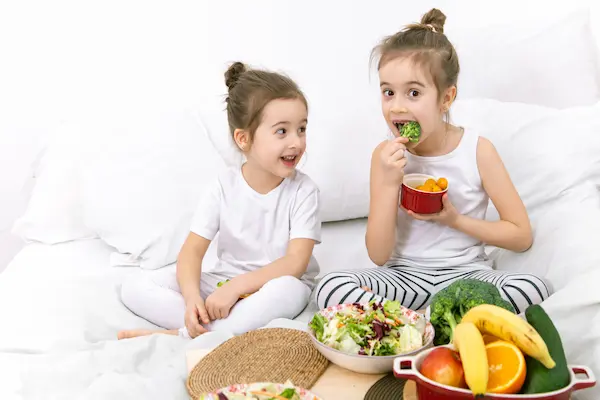
Most general guidance from pediatric and public health organizations points in the same direction, suggesting that children benefit from a variety of foods from the main food groups, plenty of vegetables and fruits, regular opportunities for whole grains, beans or other protein sources, and dairy or suitable alternatives, while limiting foods and drinks that are very high in added sugar, salt, or unhealthy fats, and this broad pattern can be adapted to many cultures, tastes, and budgets.
Instead of aiming for perfect “kids meals,” it is often more realistic to focus on gentle routines such as building a balanced plate most of the time, offering child snacks that support rather than replace meals, and gradually involving children in the kitchen, because children usually learn more from what they see and experience every day than from any single lecture about family nutrition.
This article shares practical, non-medical ideas for caregivers who prepare food for kids at home, including general meal suggestions, snack examples, simple balanced plate patterns, tips for involving children in cooking and choices, and reminders about checking with pediatric professionals for individual guidance when needed.
Big Picture: What Healthy Eating Habits for Kids Usually Look Like

Although details change between countries and cultures, many child nutrition frameworks describe similar foundations, suggesting that on most days children benefit from meals that bring together vegetables, fruits, grains or other starchy foods, protein sources, and some dairy or calcium-rich alternatives, arranged in portions that respect each child’s age, appetite, and growth patterns.
Key Ideas You Will See in Many Family Nutrition Guides
- Variety over time, meaning that across the week children are offered many different foods from each main group, rather than relying on a single vegetable or one favorite cereal every day.
- Balanced plate patterns, where vegetables and fruits take up a good share of the plate, grains or starchy foods fill a smaller section, and protein foods share space with those, with dairy or another calcium source appearing alongside.
- Preference for whole or minimally processed foods in everyday meals, such as fresh or frozen vegetables, whole grains, plain yogurt, eggs, beans, and simple meats or fish, with more processed choices kept for occasional use.
- Regular meals and child snacks offered at fairly predictable times, so children know food is coming and do not rely only on grazing or sugary drinks for energy.
- Supportive drinks, most often water and milk or another suitable option, with sweet drinks and juices used more sparingly.
Keeping these ideas in mind can make it easier to judge whether a new recipe, snack, or product fits the direction you want for your family, even when labels and marketing feel busy or confusing.
Building a Simple Balanced Plate for Kids at Home
Many caregivers find that a “balanced plate” picture is easier to remember than long lists of rules, because once you have a mental image for what kids meals might look like, you can fill in the details with foods your family already enjoys and foods that fit your culture and budget.
A Kid-Friendly Balanced Plate Pattern
- Roughly half of the plate filled with vegetables and fruits in child-friendly forms, such as cut raw vegetables, cooked pieces, mixed into sauces, or served as simple side dishes.
- About a quarter of the plate with grains or starchy foods, such as rice, pasta, potatoes, bread, tortillas, oats, or other grains, with whole grain options offered regularly when acceptable to the child and feasible for the family.
- Approximately a quarter of the plate with protein-rich foods, which may include beans, lentils, eggs, fish, poultry, tofu, or lean meats, adjusted for age and cultural patterns.
- One side item with dairy or another calcium-rich food, such as milk, yogurt, cheese, or fortified alternatives that suit the child and follow professional recommendations.
Examples of Balanced Plates Using Everyday Foods
- Grilled chicken strips, brown rice, and steamed broccoli with a side of sliced oranges and a glass of milk.
- Bean and cheese quesadilla on whole wheat tortillas, served with a colorful salad of lettuce, tomato, and corn, plus a small bowl of fruit salad.
- Pasta in tomato and lentil sauce, topped with grated cheese, with cucumber and carrot sticks on the side and a yogurt cup for dessert.
- Baked fish or tofu pieces, roasted potatoes, and mixed roasted vegetables, along with apple slices and a small portion of yogurt dip.
These examples are only starting points, and many families adapt them by substituting similar ingredients that better match local foods, traditions, and children’s tastes, while still respecting the overall idea of vegetables and fruits, grains, protein, and a calcium source appearing regularly together.
Breakfast Ideas: Gentle Starts That Support the Rest of the Day
The first meal of the day can influence energy, mood, and appetite regulation, and although not every child feels hungry immediately upon waking, offering a simple, balanced option when the morning appetite appears can support healthy eating habits for kids throughout the rest of the day.
Basic Formula for a Child-Friendly Breakfast
- One grain or starchy base, ideally a whole grain option such as oats, whole grain bread, or another grain-based food.
- One source of protein and healthy fats, which might be an egg, yogurt, nut or seed spread where appropriate, or beans in some cultures.
- One piece or serving of fruit, either mixed into the meal or served on the side, with vegetables added when that fits the dish and the child’s preferences.
- One drink that supports hydration and nutrition, usually water and milk or a suitable alternative, according to pediatric advice for the child’s age.
Breakfast Examples Using the Formula
- Oatmeal cooked with milk, topped with sliced banana and a spoonful of peanut or seed butter, plus a glass of water.
- Whole grain toast with scrambled eggs and a small piece of cheese, served with orange slices and water.
- Plain yogurt mixed with berries and a sprinkle of granola or crushed whole grain cereal, along with a slice of whole grain bread.
- Rice and beans warmed from leftovers, combined with a little grated cheese and a side of cut fruit, for families that prefer savory breakfasts.
On mornings when everyone is rushing, keeping a few “grab and eat” options such as fruit, yogurt, or a simple sandwich can make the difference between a child leaving the house with some balanced food or feeling very hungry by mid-morning, so it helps to plan quick dishes alongside more elaborate weekend breakfasts.
Family Lunches and Dinners: Turning Regular Meals Into More Balanced Kids Meals
For many families, the same dishes serve both adults and children, and adjusting a family nutrition pattern often involves small tweaks to those shared meals rather than preparing completely separate kids meals, which saves time and encourages children to see themselves as part of the family table.
Easy Ways to Make Shared Meals More Kid-Balanced
- Add at least one vegetable or fruit to every lunch and dinner, which can be as simple as carrot sticks, a side salad, or fruit slices, so that children learn to expect colorful foods as normal parts of the meal.
- Serve sauces and toppings separately when possible, allowing children to control how much they add while still seeing family members enjoy the same foods.
- Offer whole grain versions of regular grains when accepted, for example mixing white and brown rice or using half whole grain pasta, so children adjust gradually to new textures.
- Include beans, lentils, or other plant-based proteins sometimes, either alone or mixed with meat, to broaden the range of protein foods children encounter.
- Adjust portion sizes according to age and appetite, remembering that children’s stomachs are smaller and that growth spurts and quieter periods naturally change how much they eat.
Sample Family Meal Patterns With Kid-Focused Adjustments
- Stir-fry night with a mix of vegetables and strips of meat or tofu served over rice, with a small bowl of fruit afterward; younger children might receive the same ingredients arranged more separately on the plate.
- Soup and sandwich dinner with vegetable and bean soup plus whole grain sandwiches with cheese or lean meats, cut into manageable pieces for smaller hands.
- Home-style “build your own” bowl with base options such as rice or pasta, toppings like beans, chicken, or eggs, and several vegetable choices, allowing kids to assemble their own balanced plate from the same set of foods.
When family nutrition changes focus on the shared table, children gradually see balanced meals as normal and part of everyday life, rather than as special “kid rules” that apply only to them.
Healthy Child Snacks: Supporting, Not Replacing, Meals
Snacks can provide important energy and nutrients between meals, especially for younger children with smaller stomachs, and many pediatric recommendations encourage offering structured, healthy child snacks at set times rather than unlimited grazing, so that main meals still feel appealing.
Principles for Thoughtful Child Snacks
- Offer snacks at predictable times, such as mid-morning and mid-afternoon, and remind children that the next snack or meal is coming, which can reduce constant requests for food.
- Combine at least two elements, typically one with carbohydrates and one with protein or healthy fat, to help snacks feel more satisfying and nutritionally useful.
- Limit very sugary and salty snack items to occasional use, choosing them on purpose rather than as daily defaults.
- Serve snacks at a table or designated snack spot when practical, to avoid automatic snacking in front of screens or while doing other activities.
Child Snack Combinations That Fit Many Households
- Apple slices with a small portion of peanut butter or another nut or seed spread, where appropriate for age and allergy guidance.
- Carrot sticks and cucumber rounds served with hummus, bean dip, or plain yogurt seasoned with herbs.
- Plain yogurt with chopped fruit and a spoonful of oats or whole grain cereal.
- Whole grain crackers with cheese cubes and cherry tomatoes.
- Mini sandwiches on small pieces of bread with egg, beans, or lean meat and some vegetable slices.
- Homemade trail mix made from unsalted nuts or seeds and a modest amount of dried fruit, used according to pediatric choking and allergy advice for the child’s age.
When caregivers treat snacks as small planned mini-meals instead of random extras, it becomes easier to keep overall kids meals balanced and avoid children arriving at dinner too full from child snacks to enjoy the main meal.
Drinks and Family Nutrition: Simple Choices That Matter Over Time
Drinks are an important piece of healthy eating habits for kids, because beverages can add sugar and energy without providing much fullness, whereas water and appropriate milk choices support hydration and growth with less risk of displacing more nutrient-dense foods.
Everyday Drink Guidelines to Discuss With Pediatric Professionals
- Tap or filtered water is usually the main drink throughout the day, offered with and between meals rather than sugary drinks being used for thirst.
- Milk or suitable fortified alternatives provide protein and calcium for many children, with specific type and quantity best discussed with a pediatric professional, especially for younger kids.
- Fruit juice, even when labeled as one hundred percent juice, can add sugar quickly, so many child nutrition guides suggest using small portions and offering whole fruit more often.
- Sugar-sweetened drinks such as sodas and sweet teas are often framed as sometimes choices rather than daily staples, because they can easily crowd out more supportive options.
Because beverage recommendations differ by age, health status, and local guidance, caregivers are encouraged to ask their pediatrician or other qualified child health professional about ideal drink patterns for their own children, especially in the first years of life.
Involving Kids in the Kitchen: Building Skills and Curiosity
Children tend to show more interest in foods they help choose or prepare, so involving them in age-appropriate ways in the kitchen and at the table can support healthy eating habits for kids while also teaching practical skills and independence.
Simple Ways to Involve Younger Children
- Let little ones rinse fruits and vegetables under supervision, name colors, and help arrange them on a plate in fun patterns.
- Offer two or three acceptable choices for side dishes, such as asking whether they would like carrots or broccoli, rice or pasta, so they practice decision-making within a balanced framework.
- Invite children to stir ingredients in a bowl, sprinkle herbs, or place toppings on homemade pizza, even if the final appearance is imperfect.
- Encourage them to help set the table with napkins, cups, and child-safe dishes, giving them a sense of ownership in meal times.
Kitchen Roles for Older Kids
- Teach basic knife skills with appropriate supervision and tools, starting with soft foods and gradually moving toward more complex tasks.
- Share simple recipes for kids meals, such as scrambled eggs, basic soups, or sandwiches, and let older children take the lead once they feel confident.
- Involve them in planning a weekly family meal, from choosing a balanced plate idea to helping shop and prepare ingredients.
- Discuss label reading in a neutral way, showing how to spot whole grains or check sugar content without presenting foods as strictly banned or allowed.
Involving children in these everyday tasks can support family nutrition not only because they may be more willing to try foods they helped prepare, but also because they slowly build an internal sense of what a balanced plate looks like.
Picky Eating and Gentle Exposure: Respecting Appetite While Offering Balance
Many caregivers worry about picky eating and may feel pressure to turn every meal into an opportunity to “fix” their child’s preferences, yet research and clinical experience often show that gentle, repeated exposure, a calm environment, and clear boundaries about roles can help children expand their diets over time without force.
Roles at the Table
- Caregivers typically decide what foods are offered, at what times, and in what setting, drawing on pediatric guidance and family nutrition values.
- Children usually decide whether to eat from what is offered and how much to eat from each food, listening to their own hunger and fullness signals.
- Keeping these roles in mind can reduce pressure, since caregivers focus on providing balanced options regularly rather than trying to control every bite.
Strategies That Can Support Picky Eaters Gently
- Serve at least one familiar food at each meal, alongside one or two other items, so that children see variety without feeling overwhelmed.
- Offer new foods in small amounts alongside accepted foods, repeating exposure over many meals rather than expecting quick acceptance.
- Avoid turning vegetables or other foods into punishments or rewards; instead, talk about flavors, textures, and curiosity around new tastes.
- Model enjoyment of a wide range of foods yourself, since children often imitate adult behavior more readily than they follow instructions.
When mealtimes stay calm and predictable, children often explore more over months and years, even if progress looks slow in the short term, and pediatric professionals can offer further strategies if growth or intake become concerns.
Putting It Together: A Sample Day of Healthy Eating Habits for Kids
Seeing a whole day from breakfast to evening snack laid out in one place can make abstract principles easier to apply, although this is only a generic example and not a prescription for any specific child.
Example Day for a School-Age Child
- Breakfast
Whole grain toast with scrambled egg, a few cherry tomatoes or sliced cucumber, a small glass of milk or suitable alternative, and water available. - Mid-Morning Child Snack
Apple slices plus a small handful of nuts or seeds, or an age-appropriate alternative such as yogurt for children who cannot safely eat nuts. - Lunch
Sandwich on whole grain bread with lean meat, cheese, or hummus, lettuce and tomato or grated carrot inside, carrot sticks on the side, and fruit such as grapes or a peeled orange; water as the main drink. - Afternoon Child Snack
Plain yogurt with berries and a sprinkle of cereal, enjoyed at a table after school or between activities. - Dinner
Family meal with rice, beans or another protein, mixed vegetables, and a simple salad, with fruit for dessert and a small portion of yogurt or cheese if that fits the family’s pattern, followed by water before bed if the child is thirsty.
In this example, family nutrition goals are met through repetition of vegetables and fruits, regular proteins and grains, and limited sweet drinks, while still leaving space for treats at some meals or on some days as families and pediatric professionals consider appropriate.
Caregiver Checklists: Keeping Balanced Options in Reach
When life is busy, quick reminders can be more helpful than long explanations, so checklists can support healthy eating habits for kids by making it easy to see whether the basics are in place for the week.
Weekly Family Nutrition Preparation Checklist
- ☐ Bought or prepared at least three different vegetables and three different fruits for the week.
- ☐ Chose whole grain versions of commonly eaten breads, cereals, or grains when possible.
- ☐ Planned or stocked ingredients for several simple kids meals that include vegetables, protein, and grains.
- ☐ Prepared or purchased child snack options that include combinations like fruit with yogurt, vegetables with dips, or crackers with cheese.
- ☐ Reviewed drinks at home, prioritizing water and milk or suitable alternatives for everyday use.
Daily Mealtime Reflection Prompts for Caregivers
- Did at least two meals today include some fruit or vegetables for the child.
- Were child snacks offered at fairly predictable times instead of constant grazing.
- Did the child have access to water throughout the day as the main drink.
- Was there at least one shared meal where the child saw adults eating similar foods.
- Did mealtimes stay mostly calm, with pressure kept low and conversation not focused only on what the child did or did not eat.
Using these prompts as gentle guides rather than strict scorecards helps caregivers stay oriented toward balanced kids meals and snacks, while still allowing for busy days, celebrations, and occasional less structured eating.
Remembering the Role of Pediatric Guidance and Individual Needs
While general tips about healthy eating habits for kids can be very useful for planning family nutrition, they cannot replace personalized recommendations from pediatricians, registered dietitians, or other qualified child health professionals who know your child’s medical history, growth pattern, and specific needs.
Children with food allergies, digestive conditions, growth concerns, chronic illnesses, or specific developmental conditions may need tailored advice about foods, textures, and mealtime routines, and trusted professionals can help adapt balanced plate ideas, kids meals, and child snacks to those realities while still aiming for variety and enjoyment.
Caregivers are encouraged to bring questions about kids meals, balanced plate patterns, family nutrition challenges, or snack issues to routine pediatric visits, because those conversations can clarify which general suggestions fit your family and which areas require more individualized plans, especially in early childhood when eating habits and growth are rapidly changing.
Overall, healthy eating habits for kids grow out of daily routines where balanced meals appear often, snacks offer support rather than distraction, drinks are chosen with care, children participate in age-appropriate preparation and choices, and adults follow pediatric guidance while providing a calm, kind environment in which children can learn to enjoy food and listen to their own hunger and fullness signals over time.