
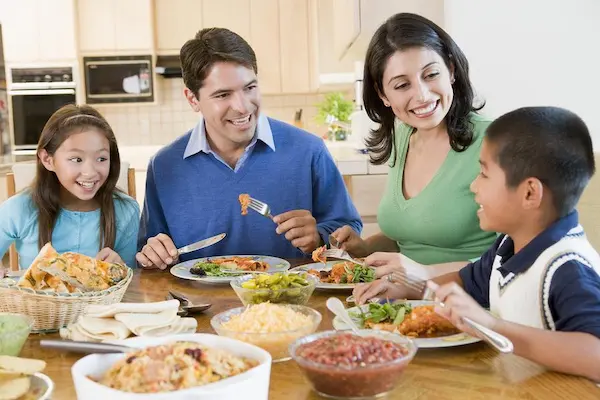
Many parents dream of calm family meals where everyone eats colorful food, chats about their day, and leaves the table satisfied, yet reality often looks more like rushed evenings, picky eating, different preferences for kids and adults, and last-minute decisions that lead to fast food or frozen options instead of relaxed home cooking.
Healthy eating habits for families do not need to look like complicated recipes, strict rules, or pressure-filled dinners, because small, steady changes in how you plan, cook, and share a meal together can gradually transform the way your family eats without turning the table into a battleground.
In plenty of homes, the shared table is one of the few moments when everyone sits down together, so using that time to build simple, positive habits around food can support the wellbeing of both kids and adults, while still respecting busy schedules, different tastes, and the reality that you sometimes feel too tired to cook big meals.
This guide focuses on practical, kind strategies for planning family meals, involving children in small ways, and adapting favorite recipes step by step, so that healthy eating habits for families grow naturally as part of daily life, rather than as a strict project that nobody wants to continue.
Why Family Meals Matter for Kids and Adults

Sharing food around a table offers more than just nutrition, because it also creates routines, connection, and a sense of belonging, which can be especially reassuring for children who spend their days at school, daycare, or activities and come home ready to reconnect with their adults.
- Family meals can offer a sense of rhythm and predictability, even if they are simple and not perfectly organized.
- Sitting together encourages conversation, which helps children practice speaking, listening, and sharing their thoughts in a safe place.
- Kids who regularly see adults and siblings eating a variety of foods often feel more comfortable trying new things over time.
- Parents can model balanced eating and relaxed attitudes about food, which supports a healthier long-term relationship with eating for everyone.
When healthy eating habits for families are built into regular shared meals, they grow from moments of connection rather than from pressure or strict rules, which usually feels kinder for both children and adults.
Core Principles of Healthy Eating Habits for Families
Principle 1: Aim for Progress, Not Perfection
Trying to change everything at once tends to create stress, resistance, and a sense that healthy eating is something hard and unrealistic, so a more gentle and effective approach is to look for small improvements that can be repeated week after week.
- Choose one or two habits to focus on first, such as adding a vegetable to most dinners or eating together at the table a few times per week.
- Set goals that feel manageable in your family’s current season of life, especially if you are juggling work, school, and other responsibilities.
- Celebrate small wins, like trying a new recipe or having one less mealtime argument, because those moments show that change is possible.
- Remind yourself and your children that it is okay to have busy days, imperfect meals, and flexible plans, as long as the overall direction is positive.
When progress is recognized and perfection is not the target, family meals become less about judgment and more about learning together.
Principle 2: Make the Shared Table a Low-Pressure Space
Children quickly notice tension around food, and if mealtimes turn into arguments about what they must eat, those moments can become stressful for everyone, including adults who feel responsible for “getting it right.”
- Try to separate decisions about what to serve from pressure about how much a child eats, especially if you offer several options within the meal.
- Use mealtime to talk about the day, plans, or interesting ideas, rather than only talking about food and eating behaviors.
- Allow children some choice within boundaries, for example letting them decide which vegetable they prefer or how much of each item to put on their plate.
- Encourage polite tasting without forcing large portions, because repeated calm exposure often works better than pressure for kids and adults alike.
Keeping the table emotionally safe makes it easier to introduce new foods, adjust recipes, and build healthy eating habits for families gradually over time.
Principle 3: Think in Patterns, Not Single Meals
One rushed dinner or one treat-heavy day is not enough to undo a generally balanced routine, and remembering this can relieve guilt and reduce all-or-nothing thinking about food in the household.
- Look at what your family eats over a week or several days rather than judging each individual meal as “good” or “bad.”
- Include a mix of home cooking, simple family meals, and occasional convenience foods when needed, while keeping balance in sight.
- Plan for nights when you know cooking will be hard, and keep a few realistic, slightly healthier shortcuts ready for those times.
- Use weekends or quieter days to anchor the pattern with more relaxed shared meals and perhaps an extra vegetable or home-cooked dish.
Seeing food as part of a larger pattern supports kinder decision-making and allows you to adjust without feeling like you have failed whenever life gets hectic.
Planning Family Menus That Fit Real Schedules
Step-by-Step Weekly Menu Planning for Families
Having some idea of what you will cook during the week can reduce stress significantly, because it avoids the nightly question of “What are we eating” when everyone is already tired and hungry.
- Review the family calendar:
- Mark evenings when someone will be home late, when there are after-school activities, or when work might run long.
- Identify at least one or two nights that are quieter, which can be good opportunities for slightly more involved home cooking or a shared table routine.
- Decide how many meals to plan:
- Choose a realistic number of dinners to plan at home, leaving space for leftovers, simple meals, or occasional takeout.
- Consider whether you will also plan for family lunches or weekend brunches, depending on your routine.
- Use a simple template:
- Assign themes to nights, such as “pasta night,” “soup and bread night,” “rice bowl night,” or “breakfast-for-dinner night.”
- Rotate favorite easy meals within those themes so planning feels less like starting from zero.
- Create a shopping list from the menu:
- List ingredients needed for the planned meals, checking the pantry and fridge to avoid buying duplicates.
- Add a few flexible items like extra fruit or frozen vegetables that can support quick family meals if plans change.
Using a weekly menu as a guide, rather than a strict schedule, helps your family feel prepared while still allowing room for last-minute adjustments when reality does not match the plan perfectly.
Family-Friendly Meal Building Using Simple Formulas
Rather than thinking in individual recipes, it can help to think in flexible “meal formulas” that you can fill with whatever ingredients your family prefers or has available during the week.
- Formula 1: Grain + Protein + Vegetables + Simple Sauce
- Base: rice, pasta, couscous, quinoa, or potatoes.
- Protein: beans, chicken, tofu, eggs, or minced meat.
- Vegetables: frozen mix, roasted tray vegetables, or steamed favorites.
- Sauce: tomato sauce, yogurt dressing, olive oil with herbs, or a mild stir-fry sauce.
- Formula 2: Soup or Stew + Bread + Side Vegetables
- Main: vegetable and bean soup, chicken stew, lentil soup, or family chili.
- Side: whole grain bread, toast, or simple rolls.
- Extras: raw vegetable sticks or a basic salad to add crunch and color.
- Formula 3: Family-Style Platters
- Proteins, vegetables, and starches arranged on a large plate in the middle.
- Children and adults serve themselves, choosing from balanced options.
- Platters can include cooked items plus raw additions like cucumber and carrots.
These formulas reduce menu planning stress, because once you decide which formula you are using, the specific ingredients can change based on budget, season, and what your family enjoys.
Involving Children in Home Cooking and Meal Routines
Age-Appropriate Tasks for Kids and Teens
Many children become more curious and willing to try new foods when they feel involved in preparing them, and doing small kitchen tasks can also build confidence, skills, and a sense of responsibility that benefits the whole family.
- Very young children (with close supervision):
- Wash fruits and vegetables in a bowl of water.
- Help tear lettuce or leafy greens into pieces.
- Stir ingredients in a bowl while an adult holds it steady.
- Place napkins or plastic cups on the table.
- School-age children:
- Measure dry and wet ingredients under guidance.
- Peel carrots or potatoes with a safe peeler.
- Cut soft foods with a child-friendly knife, once taught how to use it safely.
- Set and clear the table, and help pack leftovers into containers.
- Pre-teens and teens:
- Follow simple recipes with minimal supervision.
- Cook eggs, pasta, or rice using basic safety instructions.
- Plan one family meal per week, including writing a small ingredient list.
- Take the lead in packing their own school lunches using family guidelines.
Assigning tasks that match each child’s age and temperament turns home cooking into a shared project instead of one person’s job, and this shared experience supports healthy eating habits for families in a natural way.
Making Kitchen Participation Fun and Low-Pressure
Not every child will love cooking, and that is okay, yet you can still make kitchen involvement feel more like a creative activity than a chore they must complete perfectly.
- Offer choices, such as asking whether they want to wash vegetables or help mix a sauce, instead of forcing a specific task.
- Use small “roles” like salad helper, sauce tester, or table designer to give a sense of importance and contribution.
- Introduce simple games, like counting how many colors are on the plate or guessing new ingredient names, to keep attention and curiosity alive.
- Accept mess and mistakes as part of learning, focusing on safety and enjoyment rather than a perfectly tidy kitchen every time.
When cooking and food prep feel welcoming and forgiving, children often bring that same relaxed energy to the table, which encourages a more cooperative approach to family meals.
Gradually Adapting Family Recipes for Better Nutrition
Small Swaps That Keep Favorite Meals Recognizable
Many families have treasured recipes that everyone knows and loves, and completely replacing those meals with unfamiliar “healthy” dishes can create resistance or disappointment, especially for kids who rely on familiarity to feel comfortable.
- Change only one part of a recipe at a time, such as swapping part of the white rice for brown rice, or replacing some minced meat with lentils.
- Add extra vegetables into sauces, casseroles, and soups by grating or finely chopping them, so they blend into the dish without dominating it.
- Use yogurt-based sauces or lighter dressings in place of heavier ones in some meals, while still keeping familiar flavors and textures.
- Serve favorite dishes with additional sides like a simple salad or vegetable sticks instead of removing the main dish entirely.
Adjusting recipes in small steps allows healthy eating habits for families to grow without giving up the comfort of familiar meals that hold memories and traditions.
Step-by-Step Examples of Recipe Adjustments
Seeing how gradual changes might look in real meals can make the idea of adapting recipes less abstract and easier to apply in your own kitchen.
- Pasta night:
- First step: keep the usual pasta but add extra vegetables to the sauce, such as grated carrot, chopped spinach, or mushrooms.
- Next step: replace some of the pasta with extra vegetables or a side salad, keeping portions balanced.
- Later step: try whole grain pasta or a half-and-half mix of whole grain and regular pasta.
- Taco or wrap night:
- First step: add one more topping option, such as shredded lettuce, peppers, or corn.
- Next step: mix cooked beans into the seasoned meat to increase fiber and reduce overall meat amount.
- Later step: offer soft tortillas and crunchy lettuce leaves as wrap bases for extra vegetable variety.
- Breakfast routine:
- First step: add a piece of fruit to the usual breakfast for each family member.
- Next step: include a protein source like eggs, yogurt, or nut butter on most mornings.
- Later step: experiment with oatmeal or other whole grains as alternatives for some days.
These gradual shifts keep meals recognizable while gently moving the whole family toward more balanced eating patterns.
Managing Different Tastes and Picky Eating at the Shared Table
Offering Choices Within Clear boundaries
Families rarely have identical tastes, and it is common for one child to dislike certain textures, another to prefer strong flavors, and adults to have their own preferences layered on top of that, so offering structured choice can help everyone feel heard without turning dinner into a custom order for each person.
- Serve meals “family style” when possible, placing main dishes and sides in the middle of the table and letting each person choose how much to take.
- Include at least one item that each person usually accepts, so nobody feels there is nothing safe for them on the table.
- Use a simple rule such as “You do not have to eat everything, but you do keep your plate respectful and try to include a few elements.”
- Encourage children to place a very small amount of a new or disliked food on their plate for exposure, without insisting that they eat large amounts.
Balancing choice with gentle structure helps children learn to listen to their own bodies while also respecting the needs and efforts of the rest of the family.
Supporting Picky Eaters Without Making Separate Meals
While it may be tempting to cook completely different meals for picky eaters, this habit can exhaust parents and reinforce narrow eating patterns, so a more sustainable strategy is to adapt shared meals in ways that include picky children without creating entirely separate cooking tasks.
- Serve sauces and toppings on the side when possible, so children can build a simpler version of the main dish from the same components.
- Offer familiar foods together with new ones, like serving plain pasta alongside sauced pasta, or offering raw vegetables next to cooked ones.
- Allow children to deconstruct a meal into parts, such as eating chicken, rice, and vegetables separately rather than mixed into a stew.
- Keep mealtime conversation relaxed and avoid labeling children as “picky” in front of them, which can make patterns feel more permanent.
With patience and repeated exposure, many children gradually expand their tastes, especially when they see healthy eating habits modeled by the adults and older siblings at the shared table.
Time-Saving Strategies for Home Cooking With a Family
Using Batch Cooking in a Family-Friendly Way
Cooking large amounts of certain items once and using them in several meals can save time and energy, particularly when you know that busy days are coming and you want to keep family meals at home as simple as possible.
- Prepare extra grains like rice, quinoa, or pasta on quieter days and store portions in the fridge or freezer for quick use.
- Roast a large tray of vegetables and use them as sides, mix-ins for pasta, or fillings for wraps across a few days.
- Cook a double batch of soups, stews, or family chili and freeze some portions for future dinners.
- Boil a number of eggs and keep them in the fridge to add to lunches, salads, or quick dinners.
Integrating batch cooking into your routine supports healthy eating habits for families by making it easier to assemble balanced meals even when nobody has much time to cook from scratch.
Quick Meal Ideas for Extra Busy Evenings
Some evenings will always be more rushed than others, which means having a small list of “emergency” family meals can prevent last-minute fast food decisions and help the household stay grounded around a shared table, even briefly.
- Breakfast-for-dinner plates:
- Scrambled eggs, toast, and sliced fruit.
- Yogurt with granola and a side of carrot sticks.
- Soup and sandwiches:
- Simple vegetable or tomato soup from homemade or lower-salt packaged options.
- Whole grain sandwiches with cheese, bean spreads, or leftover meat and salad.
- Quick rice or noodle bowls:
- Use leftover rice or noodles with frozen vegetables and a protein like tofu or eggs.
- Season with light sauces and serve in bowls for easy eating.
- Build-your-own plates:
- Arrange bread, cheese, vegetables, and fruit on a platter.
- Let each family member build their own combination, which requires minimal cooking.
Keeping a short handwritten menu of these fast options on the fridge can help you remember that even on the busiest nights, there are simple ways to share a basic, nourishing meal at home.
Simple Checklists to Support Healthy Eating Habits for Families
Family Menu Planning Checklist
Using a brief checklist when planning your week makes it easier to keep family meals realistic, balanced, and tailored to your schedule.
- Check the calendar for busy evenings and quiet ones.
- Decide how many dinners at home you will plan.
- Select a few meal formulas (pasta night, soup night, rice bowl night, family platter night).
- Choose one new recipe or small change to try, and keep the rest familiar.
- List main ingredients, vegetables, and basic snacks for the shopping list.
- Leave space in the week for leftovers and simple meals.
Running through this list once a week can help your family move steadily toward healthier patterns without making each week feel like a brand-new challenge.
Shared Table Habit Checklist
Small behaviors at the table support the emotional side of healthy eating habits for families, and a simple checklist of intentions can guide the tone of meals.
- Turn off or move away from major screens during meals when possible.
- Encourage everyone to spend a few minutes at the table together, even if someone eats less or finishes quickly.
- Ask open questions about each other’s day, not only about what is on the plate.
- Avoid criticizing bodies or comparing how much each person eats.
- Model trying new foods yourself, even in small portions, and share your honest impressions gently.
- Thank whoever helped with shopping, cooking, or clearing the table, including children.
Using these gentle habits, the shared table becomes a place of warmth and cooperation, which makes it easier to continue improving the food itself over time.
Bringing Healthy Eating Habits for Families Into Everyday Life
Supporting children and adults in a household to eat well does not require complicated nutrition knowledge or perfect behavior at every single meal, because the most important changes usually come from consistent patterns, simple home cooking, and a shared intention to make the family table a kinder, more nourishing place.
Each small step—planning one family meal in advance, adding an extra vegetable to a favorite dish, inviting a child to help wash fruit, or turning down the pressure at the table—contributes to healthier eating habits for families and shows children that food can be both enjoyable and a form of caring for themselves and one another.
Over time, these habits can create a home where family meals feel more organized yet still flexible, where kids and adults learn to listen to their own bodies while respecting what others need, and where the shared table becomes one of the most supportive spaces in the house rather than a source of stress.
With inclusive planning, gentle recipe adjustments, and an emphasis on connection and home cooking rather than strict rules, your family can develop healthier meal routines together, in a way that fits your unique stories, schedules, and tastes, one meal and one conversation at a time.