
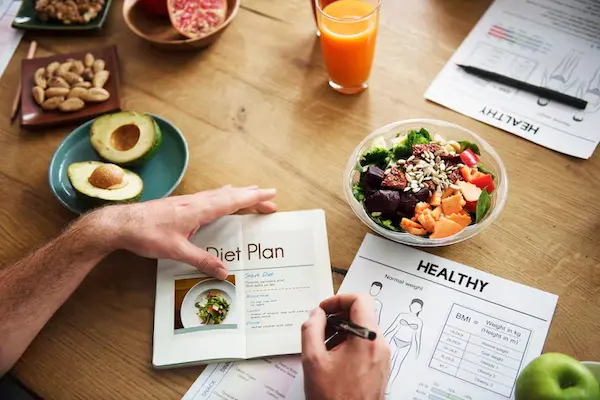
Healthy eating habits for beginners do not have to involve strict meal plans, expensive ingredients, or the idea that you must follow a perfect pattern forever, and it is usually far more realistic to begin with a few simple changes that fit into your life as it already is, slowly building a routine that you can keep rather than a short burst of effort that disappears.
Public health organizations and large nutrition bodies around the world tend to say similar things in simple language, such as encouraging people to eat more vegetables, fruits, whole grains, legumes, nuts, and other minimally processed foods, while limiting drinks and foods that are very high in added sugars, salt, and unhealthy fats, which means you can trust that focusing on these basics is evidence informed even if every small detail is not perfect.
This article will walk you through key habits in a clear, warm, beginner friendly way, with lists of practical “do” ideas and “consider” notes, everyday examples of what better meals might look like, and mentions of credible guidance so that you know these suggestions line up with what major health organizations usually recommend.
What “Healthy Eating” Really Means for a Beginner

Before changing anything on your plate, it helps to understand that healthy eating is less about one magic food and more about the overall pattern you follow most of the time, which includes what you eat, how often you eat, and how those choices fit into your culture, budget, and daily routine.
Many national dietary guidelines and international groups describe a healthy pattern in very similar terms, emphasizing variety, mostly plant based foods, enough protein, and moderation with things like added sugar, salt, and ultra processed items, and those basics can guide you even without complex tracking.
Core Ideas Behind Healthy Eating Habits for Beginners
- Base meals on a variety of vegetables, fruits, whole grains, legumes such as beans and lentils, nuts, and seeds alongside appropriate amounts of protein rich foods.
- Use mostly minimally processed foods when you can, meaning items that look somewhat like where they came from, such as oats, beans, vegetables, eggs, or plain yogurt.
- Limit, rather than completely ban, foods that are very high in added sugars, salt, or unhealthy fats, keeping room for treats without letting them crowd out more nourishing options.
- Drink plenty of water and other low sugar drinks, since what you drink all day contributes a lot to your overall nutrition pattern.
- Pay attention to eating regular meals or snacks that make sense for your day, instead of going very long without eating and then arriving at meals overly hungry.
- Look at your overall week and month, rather than judging yourself harshly for a single meal or day that did not go as planned.
When you see healthy eating as a set of flexible habits instead of a rigid diet, it becomes much easier to start healthy eating in a way that feels doable and kind to yourself.
Habit 1: Fill More of Your Plate With Vegetables and Fruits
One of the simplest nutrition basics, repeated in many guidelines, is that most people benefit from eating more vegetables and fruits, because they bring fiber, vitamins, minerals, and many helpful plant compounds, often with relatively few calories compared with heavily processed snacks and desserts.
Do: Practical Ways to Add Vegetables and Fruits
- Add at least one vegetable or fruit to every main meal, even if you start with something simple like a handful of salad mix, a sliced tomato, or an apple on the side.
- Use frozen vegetables such as peas, mixed vegetables, or spinach when fresh options are expensive or inconvenient, since frozen produce is often picked at peak ripeness and ready to cook quickly.
- Keep a bowl of fruit visible at home or on your work desk so that grabbing a piece becomes a natural habit when you want something quick.
- Stir vegetables into the meals you already eat, for example adding grated carrot and extra onion into sauces, throwing spinach into eggs, or mixing mixed vegetables into rice dishes.
- Choose fruit or vegetables as part of at least one snack most days, pairing them with yogurt, nuts, or cheese for more staying power.
Consider: Things to Keep in Mind About Produce
- Any form of vegetables and fruits can help, including fresh, frozen, and canned options, as long as you watch out for heavy syrups or very salty brines in some packaged products.
- Variety matters over time, so it is helpful to rotate colors and types, rather than eating the same single vegetable every day for months.
- Budget friendly choices often include carrots, cabbage, frozen mixed vegetables, seasonal fruit, and store brand options, which still align well with nutrition basics.
- Start small if you are not used to a lot of fiber, gradually increasing portions so your digestion has time to adjust comfortably.
Everyday Example: Making a Meal More Colorful
- Typical meal: plain pasta with butter and cheese.
- Simple upgrade: add frozen peas to the pasta water near the end of cooking, stir in canned beans or chickpeas for protein, and top with tomato sauce and a small amount of cheese.
- Result: more fiber, more plant variety, similar comfort level, and not much more effort to prepare.
Habit 2: Choose Mostly Whole Grains and Fewer Refined Grains
Grains such as rice, bread, and pasta often make up a big part of daily meals, and many healthy eating habits for beginners focus on shifting those choices from refined versions towards whole grain options that keep more fiber and nutrients.
Do: Simple Whole Grain Swaps
- Pick whole grain bread or bread labeled as containing whole wheat or oats as the first ingredient when you buy loaves for sandwiches or toast.
- Try brown rice, quinoa, or other intact grains once or twice a week, mixing them with white rice at first if you prefer a gradual transition.
- Choose oats as a breakfast base more often, whether as oatmeal, overnight oats, or muesli, rather than relying only on very sugary cereals.
- Look for whole grain crackers, tortillas, or wraps when stocking up on pantry basics.
Consider: How Much You Want to Change at Once
- You do not need to change every grain choice immediately, and starting with one regular meal such as breakfast or lunch can make the process easier.
- Some whole grain products cost more than refined ones, so it can be helpful to compare store brands, buy larger bags, or focus on budget friendly options like oats and brown rice.
- If you dislike the texture of a certain whole grain, you can experiment with different cooking methods, seasonings, or grain types rather than forcing yourself to eat one you do not enjoy.
Everyday Example: A Whole Grain Lunch Upgrade
- Original lunch: white bread sandwich with processed meat and a sugary drink.
- Beginner upgrade: whole grain sandwich with hummus or lean meat, some salad vegetables, a piece of fruit, and water or unsweetened tea.
- Key change: same basic meal pattern, but with more fiber, more plants, and less added sugar from the drink.
Habit 3: Include a Protein Source at Most Meals
Protein helps with fullness, supports muscles and many body functions, and can come from animal foods or plant foods, so healthy eating habits for beginners usually encourage including a protein source at most meals without insisting on one specific type for everyone.
Do: Beginner Friendly Protein Choices
- Use beans, lentils, or chickpeas in soups, salads, stews, and grain bowls, since they are affordable, filling, and naturally contain fiber.
- Include eggs, yogurt, or cottage cheese at breakfast or snacks when those foods fit your preferences and tolerance.
- Choose fish, poultry, or lean cuts of meat in moderate amounts at meals if you enjoy animal based protein, aiming to cook them in ways that do not rely heavily on deep frying.
- Use tofu, tempeh, or soy based products if you follow a vegetarian or mostly plant based pattern, starting with simple recipes like stir fries or baked cubes.
- Add nuts and seeds in small portions to meals and snacks for extra protein and healthy fats, especially when you need portable options for busy days.
Consider: Variety and Your Own Needs
- Different health conditions, cultural patterns, and personal ethics influence protein choices, so it is fine to adapt these ideas to your situation as long as you still cover your basic needs.
- Very large portions of protein rich foods are not always better, since your body also needs room for vegetables, fruits, and grains on your plate.
- If you reduce or avoid animal products, you may want to pay extra attention to plant sources such as legumes, soy, nuts, seeds, and whole grains to keep protein intake adequate.
Everyday Example: Balanced Beginner Breakfast
- Instead of just toast with jam and coffee, you might have toast with peanut butter and sliced banana, plus coffee and a glass of water.
- Compared with the original version, the upgraded meal adds protein, fiber, and healthy fat, which may help you feel satisfied for longer into the morning.
Habit 4: Use Healthy Fats and Go Easy on Added Sugars and Salt
Nutrition basics from many health organizations usually include guidance to choose healthier fats, such as oils from plants and fats from nuts, seeds, and fish, while limiting foods that are very high in added sugars and salt, since excessive amounts of those can be linked with several long term health issues.
Do: Simple Fat, Sugar, and Salt Habits
- Cook more often with plant based oils like olive, rapeseed, sunflower, or canola oil, using modest amounts rather than large pours.
- Season foods with herbs, spices, citrus, garlic, onion, and pepper to add flavor without relying only on salt.
- Enjoy sweets and sugary drinks as occasional items rather than default everyday choices, focusing on smaller portions or less frequent servings.
- Check labels for high levels of added sugar or sodium in items you eat frequently, such as sauces, breakfast cereals, and snack foods, and explore alternatives when possible.
Consider: Flexible Approaches to Less Healthy Foods
- Completely banning certain foods can lead to feeling deprived and craving them more, so many beginners do better with a pattern where treats are allowed in moderation rather than never.
- Some traditional dishes use more salt, sugar, or fat, and you can experiment with gradual changes such as using a bit less sugar, switching part of the fat to plant oils, or adding extra vegetables to balance things out.
- If you already have health conditions involving blood pressure, heart health, or blood sugar, it is wise to seek tailored advice from a professional while using these general tips as a gentle starting point.
Habit 5: Drink Mostly Water and Low Sugar Beverages
Beverages can quietly add a lot of extra sugar and calories without making you feel full, so one of the most impactful healthy eating habits for beginners is often switching some drinks to water or low sugar alternatives while still leaving room for enjoyment.
Do: Everyday Drink Swaps
- Keep a reusable bottle or glass of water near you throughout the day and refill it regularly, especially during work or study hours.
- Switch one or two sugary drinks per day, such as soda or sweetened tea, to water, sparkling water, or unsweetened tea or coffee.
- Dilute fruit juices with water or sparkling water if you enjoy the flavor but want less sugar per glass.
- Use herbs, citrus slices, or a small amount of fruit to flavor water if you find plain water unappealing.
Consider: Caffeine and Alcohol
- Coffee and tea can fit into healthy patterns for many adults when sugar and heavy cream are used modestly, yet very high caffeine intake may affect sleep and anxiety for some people.
- Alcohol brings extra energy without useful nutrients and carries specific health risks, so official guidelines in many places suggest limiting intake or avoiding it altogether, especially if you have certain health conditions or take medications.
Habit 6: Create a Simple, Repeatable Meal Rhythm
Healthy eating habits for beginners are not only about what you eat but also about when and how you eat, and a simple meal rhythm can help you avoid long periods of intense hunger followed by rushed eating that feels uncomfortable.
Do: Build a Gentle Structure
- Aim for three main meals per day, or two meals plus one or two planned snacks, depending on your schedule and appetite.
- Try to eat roughly around similar times most days, while staying flexible for work or family demands.
- Keep at least one quick, balanced meal idea ready for days when cooking feels impossible, such as beans and rice with frozen vegetables or eggs on toast with fruit.
- Plan ahead for situations where access to food might be limited, such as long meetings or travel, by packing a simple snack that contains some protein and fiber.
Consider: Your Own Hunger Signals
- Some people prefer three larger meals, while others feel better with smaller meals and snacks, and both approaches can work if overall choices align with nutrition basics.
- It may take time to notice whether you are eating because of true physical hunger, habit, emotion, or boredom, and beginners do not need to resolve this all at once.
Habit 7: Use Do-and-Consider Lists When You Look at Food Choices
Beginners can feel overwhelmed when they try to remember every rule they have ever read, so creating simple do and consider lists for yourself can keep food decisions calmer and more organized.
Do: Simple Starter List
- Do include vegetables or fruits in most meals.
- Do choose whole grains often when you buy breads, cereals, rice, or pasta.
- Do add a protein source to meals and some snacks.
- Do drink water regularly across the day.
- Do prepare or assemble some meals at home when possible, even if they are very basic.
Consider: Gentle Questions to Ask Yourself
- Consider whether you can add one more plant based food to today’s meals.
- Consider if there is a small change that would make your next meal more filling and balanced, such as adding beans or swapping a drink.
- Consider whether you are eating often enough to avoid arriving at meals extremely hungry.
- Consider how your body feels after certain foods and use that information to adjust future choices.
Habit 8: Start Healthy Eating With Gradual, Evidence Informed Changes
Many research reviews and major guidelines emphasize that healthy eating patterns are built over time, so healthy eating habits for beginners work best when you introduce changes gradually, check in with how you feel, and keep a flexible attitude rather than swinging between strict plans and giving up.
Do: Step by Step Change Plan
- Pick one meal of the day, such as breakfast, and focus on making that meal a bit more balanced for one or two weeks.
- Add one consistent change, like including fruit most mornings or switching your cereal to oats, and practice it until it feels normal.
- After that habit feels steady, choose a second change, possibly at lunch or with snacks, and repeat the process.
- Use a small notebook or digital note to jot down which changes felt good and which felt forced or unrealistic.
- Adjust the plan when life gets busy rather than abandoning it entirely, for example by switching to the simplest versions of your habits during stressful weeks.
Consider: Kindness and Real Life
- There will be holidays, birthdays, stressful work periods, and days when you simply do not have the capacity to think about nutrition, and those days are part of a normal life.
- Healthy eating patterns allow room for special foods and less structured meals, as long as your overall pattern over time still reflects the basics of variety, plants, moderate portions, and limited highly processed items.
- If you have a history of very rigid dieting or disordered eating, it can be especially important to focus on flexibility and to seek professional guidance if you notice obsessive thoughts about food returning.
Everyday Example: A Beginner Friendly Day of Better Meals
Seeing what a realistic day can look like makes the idea of healthy eating habits for beginners feel more concrete, so the following example uses simple foods you can easily adjust to your tastes and culture.
Breakfast Ideas
- Oatmeal cooked with milk or a fortified plant drink, topped with sliced banana and a spoonful of peanut butter.
- Whole grain toast with scrambled eggs and a small handful of cherry tomatoes or spinach on the side.
- Plain yogurt mixed with frozen berries and a small amount of granola or crushed whole grain cereal.
Lunch Ideas
- Rice and bean bowl with mixed vegetables, a drizzle of oil, and a piece of fruit for dessert.
- Whole grain sandwich with hummus or lean meat, salad vegetables, and a side of carrots and cucumber sticks.
- Leftover pasta with vegetables and beans from dinner, plus a small salad and water or unsweetened tea.
Dinner Ideas
- Tray bake with chopped vegetables and chicken or tofu roasted together, served with potatoes or whole grain bread.
- Stir fry using frozen vegetables, tofu or thinly sliced meat, garlic, and soy sauce, served over brown rice or noodles.
- Soup made with lentils or beans, vegetables, and spices, eaten with whole grain toast and a piece of fruit if you want something sweet afterward.
Snack Ideas
- Fruit and a small handful of nuts or seeds.
- Yogurt with some cut fruit or a spoonful of oats.
- Vegetable sticks with hummus, bean dip, or cheese spread.
- Popcorn popped with a little oil, seasoned lightly with herbs or spices instead of very heavy salt.
This kind of day does not require special products or perfect planning, yet it already reflects the main nutrition basics many guidelines promote, such as variety, plant emphasis, moderate portions, and limited heavily sweetened drinks or desserts.
How These Habits Relate to Credible Nutrition Guidance
It can feel reassuring to know that the healthy eating habits for beginners described here are not random opinions, but rather a practical translation of what large health organizations and national dietary guidelines have been recommending for many years.
Common Themes in Public Health Recommendations
- Emphasis on plenty of vegetables and fruits across the day.
- Encouraging whole grains rather than relying mainly on refined grains.
- Regular inclusion of legumes, nuts, and other plant proteins, with moderate amounts of animal protein if you choose to eat it.
- Preference for minimally processed foods and home prepared meals when possible.
- Limiting added sugars, salty processed foods, and unhealthy fats, while allowing flexibility for personal and cultural preferences.
While the exact food models and portion suggestions differ slightly between regions, the big picture is remarkably similar, which means you can feel confident that starting with these simple changes is in line with widely accepted nutrition basics.
Final Thoughts and a Gentle Reminder About Individual Needs
Beginning to focus on healthy eating habits for beginners is not about achieving a perfect diet overnight, but about learning a few key skills, practicing them in your own kitchen and daily routine, and allowing your eating pattern to improve gradually while still leaving room for enjoyment, culture, and real life.
The ideas in this article are evidence informed, yet they are also general, which means they cannot replace individualized advice from qualified health or nutrition professionals who can consider your medical history, medication use, allergies, cultural background, and specific goals in more detail.
If you have health conditions such as diabetes, heart disease, digestive disorders, kidney disease, or a history of eating disorders, it is wise to discuss any significant nutrition changes with a registered dietitian, doctor, or other qualified professional, using these beginner friendly habits as a gentle framework rather than a personalized plan.
This content is independent and is not sponsored, endorsed, or controlled by any institutions, platforms, or companies, and you remain responsible for choosing how to adapt these healthy eating habits for beginners to your own body, budget, beliefs, and everyday life in a way that feels sustainable and respectful to you.