
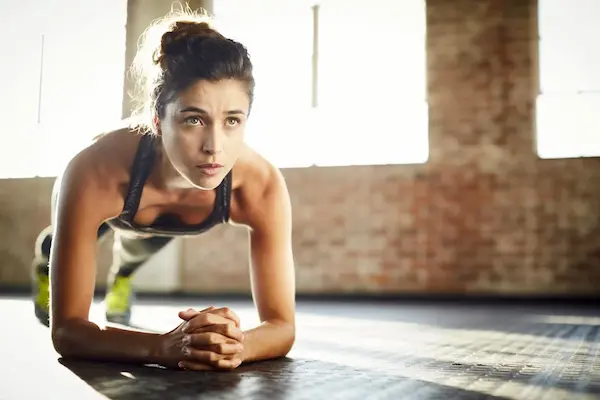
Building fitness habits without equipment gives you a calm starting point, because you can exercise in your own space, wearing comfortable clothes, using only your bodyweight and a few simple moves that do not require special tools or machines.
When you focus on basic bodyweight exercises and gentle home workout routines, it becomes easier to create a regular habit, since you do not need to travel anywhere, rely on opening hours, or worry about learning how to use complex equipment.
Instead of thinking that you must be advanced or very fit to start, it helps to remember that many experts agree that simple moves performed with good form, controlled speed, and consistency can already improve strength, mobility, and confidence.
Throughout this guide, you will see practical explanations, step by step ideas, sample circuits, repetition suggestions, and safety focused form tips, so you can practice fitness habits without equipment at home in a way that feels reassuring, organized, and manageable.
Why Fitness Habits Without Equipment Are a Strong Foundation

Understanding why bodyweight exercises matter makes it easier to trust that you are not missing anything important by starting your home workout routine without dumbbells, machines, or resistance bands.
Bodyweight training uses your own mass and gravity as resistance, which means you are strengthening the very muscles and movement patterns that you use all day when you stand, sit, walk, carry items, or climb stairs.
Because you are not adding external weight, your joints often experience less sudden stress, which can be especially helpful for beginners who are still learning good technique and might not be ready for heavy loads.
Fitness habits without equipment also remove common excuses, since you can exercise in a small space, with no setup time, and at any moment that fits your schedule, whether that is early morning, during a break, or in the evening.
Over time, simple moves practiced regularly can build strength, endurance, balance, and body awareness, and those qualities make any future activities easier, whether you decide to stay with home workouts or later visit a gym.
- Bodyweight exercises use familiar everyday movements like sitting, standing, and stepping, which makes them easier to learn and remember.
- No equipment routines are flexible and can be done in small rooms, hallways, or living spaces with very limited floor area.
- Fitness habits without equipment are low cost, which removes a barrier for people who cannot or do not want to invest in gear yet.
- Learning control, posture, and breathing with simple moves creates a safe base if you ever add weights later.
- Regular bodyweight sessions can be adapted for many levels by changing pace, repetitions, and rest time rather than buying new equipment.
Safety First When Starting Fitness Habits Without Equipment
Taking care of your safety from the beginning helps your new habit feel trustworthy, because you know you are listening to your body instead of pushing it too far too fast.
Even though no equipment routines often look gentle, the movements still involve muscles, joints, balance, and breathing, so paying attention to signals from your body remains important.
Health professionals usually advise people with existing conditions, recent injuries, strong pain, or heart and blood pressure concerns to speak with a doctor or qualified specialist before starting any exercise program, including simple bodyweight exercises at home.
Safety Checklist Before Each Home Workout
- Check the floor for objects, loose rugs, or slippery spots, and clear enough space so you can step and move freely without tripping.
- Wear comfortable clothes you can move in easily, and choose shoes or bare feet based on what feels stable and secure on your floor.
- Notice how your body feels today, including tiredness, soreness, or stiffness, and be ready to adjust intensity or duration if needed.
- Decide that you will stop any movement immediately if you feel sharp pain, strong dizziness, chest discomfort, or unusual shortness of breath.
- Keep water available and allow yourself to rest between sets, rather than rushing through the exercises without breathing calmly.
Following these simple steps helps ensure that fitness habits without equipment support your health gently, instead of turning into something that feels risky or frightening.
Bodyweight Exercises for Beginners: Simple Moves With No Equipment
A helpful way to think about bodyweight exercises is to group them by the main area they work, such as legs, upper body, core, and full body, along with a group focused on stretching and mobility.
Within each group, there are basic moves that many experts teach as foundations, because they train common movement patterns and can be simplified or made a little harder as you improve.
Lower Body Moves Without Equipment
Strong legs and hips help with everyday tasks like walking, climbing stairs, and standing up from chairs, so lower body bodyweight exercises are a central part of fitness habits without equipment.
- Chair Sit to Stand
Sit near the front of a sturdy chair with your feet flat and about hip width apart, lean your upper body slightly forward, then push through your feet to stand up before slowly lowering yourself back down.
- Wall Supported Squats
Stand with your back against a wall, walk your feet a little forward, then bend your knees slightly as if sliding down the wall, stopping at a comfortable depth and returning to standing without locking your knees.
- Standing Step Back Lunges (Very Shallow)
Hold on to a chair or wall for balance, step one foot gently back, bend both knees a small amount, then step back to your starting position and repeat on the other side, keeping movements slow and controlled.
- Heel Raises
Stand tall while holding a stable surface, lift your heels to come onto the balls of your feet, pause briefly at the top, and lower your heels back to the floor with control to strengthen the lower legs.
Upper Body Moves Without Equipment
Upper body bodyweight exercises often use walls, counters, or the floor to give your arms and shoulders something to push against, making them a practical part of a home workout with no equipment.
- Wall Push Ups
Place your hands on a wall at shoulder height, step your feet back so your body forms a slight incline, bend your elbows to bring your chest closer to the wall, then push back to your starting position while keeping your body in a straight line.
- Counter or Table Push Ups
Use a sturdy kitchen counter or strong table, place your hands slightly wider than shoulder width, walk your feet back, and perform push ups in the same way as against a wall, with more challenge because of the steeper angle.
- Doorway Chest Stretch and Gentle Press
Stand in a doorway, place your forearms on the sides, lean your body slightly forward to stretch your chest, then gently press your forearms into the frame for a few seconds and relax, engaging chest and shoulders safely.
- Arm Raises and Circles
While standing tall, lift your arms to shoulder height and draw small circles forward and backward, focusing on smooth control and avoiding shrugging your shoulders toward your ears.
Core and Posture Moves Without Equipment
Core muscles include your abdomen, lower back, and the deep muscles around your spine and hips, and strengthening them with simple moves can improve posture and support everyday activities.
- Seated Tall Holds
Sit on a chair without leaning on the backrest, place your feet flat, lengthen your spine, gently draw your belly inward as if bracing softly, and hold this tall posture for several slow breaths without tensing your shoulders.
- Dead Bug Variation on a Mat or Firm Surface
Lie on your back with your knees bent and feet on the floor, raise one arm overhead while gently lifting the opposite foot a small distance from the ground, then return and alternate sides, moving slowly with steady breathing.
- Gentle Standing Side Bends
Stand with feet shoulder width apart, let one hand slide down the side of your leg while the other arm reaches overhead, bending gently to the side and then returning upright before repeating on the other side.
- Wall Plank
Face a wall, place your forearms on it at shoulder height, walk your feet back slightly, and hold your body in a straight line from head to heels while breathing calmly, avoiding a sagging or arched lower back.
Full Body Simple Moves With No Equipment
Some exercises gently involve many areas at once, which can be efficient for short home workout sessions where you want to feel warmed up and slightly challenged without long routines.
- Modified Wall Burpee
Stand facing a wall, place your hands on it, step one foot back then the other into a wall plank, step your feet forward again, and reach your arms overhead, breaking the movement into small parts to keep it beginner friendly.
- Step and Reach
Step one foot to the side while reaching both arms diagonally upward, then bring feet back together and repeat to the other side, moving at a pace that allows calm breathing.
- March and Press
March in place while pressing your palms together at chest level, engaging your upper body lightly as your legs move, which can raise your heart rate gently without jumping.
Mobility and Stretching Moves for Recovery
Stretching and mobility work help muscles and joints feel less stiff and can reduce discomfort after you begin practicing new fitness habits without equipment.
- Gentle neck stretches with slow turns and side tilts, staying away from sharp or pinching feelings.
- Shoulder rolls forward and backward to ease tension from sitting and screen use.
- Cat and cow movements on hands and knees or with hands on a table, slowly rounding and arching the back within a comfortable range.
- Hip circles while standing, keeping movements small and controlled to explore gentle motion in the hips.
- Calf stretches against a wall or step, with the back heel down and the stretch mild rather than intense.
How to Structure Fitness Habits Without Equipment at Home
After you know a few simple moves, the next step is to organize them into short routines that fit your schedule and energy level, so that exercise becomes a habit rather than a random event.
Many beginners do well with short sessions three days per week at first, combined with tiny movement breaks or stretching on the other days, because this pattern allows both practice and recovery.
Basic Planning Guidelines
- Choose two or three days as your main workout days, leaving at least one rest day between them when possible.
- Keep each session between 10 and 20 minutes during the first weeks, including warm up and cool down, so the routine feels doable.
- Use three or four core exercises per session instead of trying to include every move you know.
- Start with one or two sets of each exercise and add more sets later only if your body feels ready and you recover well.
- Add two or three minutes of gentle stretching at the end of each session to help your muscles relax.
Thinking this way turns your fitness habits without equipment into a clear, repeatable structure, rather than a long list of exercises that feels confusing.
Sample Beginner Circuits With No Equipment
Circuits are short sequences of exercises that you repeat one after another with brief rests, and they work well at home because they keep you focused and reduce decision making during the session.
The following examples offer simple circuits with suggested repetitions and time ranges, which you can adjust up or down depending on how your body feels and how new you are to movement.
Gentle Starter Circuit for Very New Beginners
This circuit is designed for people who have been inactive for a while or feel nervous about exercising and want a very soft starting point for fitness habits without equipment.
- Chair Sit to Stand
Perform 6 to 8 repetitions, using your hands on the chair if needed, and pause for a few breaths after finishing.
- Wall Push Ups
Complete 6 to 8 repetitions, moving slowly, keeping your body in a straight line, and resting if your arms feel tired.
- Heel Raises
Do 8 to 10 repetitions while holding a chair or wall, focusing on smooth up and down motion without bouncing.
- Seated Tall Hold
Sit upright without leaning back, gently brace your core for 15 to 20 seconds while breathing naturally, then relax.
Try completing this circuit one time in the first few sessions, and after it feels comfortable, repeat the sequence a second time, keeping the whole workout under 15 minutes including warm up and stretching.
Short 15 Minute Bodyweight Circuit
Once you feel ready for a little more challenge, you can use a slightly longer circuit that still relies on simple moves and does not require any equipment.
- Warm Up
March in place and roll your shoulders for 2 to 3 minutes to gradually increase your heart rate.
- Chair or Wall Squats
Perform 8 to 10 repetitions with a small to moderate bend in your knees, keeping your chest lifted and your heels on the floor.
- Counter Push Ups
Complete 8 to 10 repetitions, maintaining a strong line from head to heels, and avoid letting your hips sag toward the counter.
- Standing Side Bends
Do 8 gentle bends to each side, moving slowly and staying in a comfortable range without bouncing.
- Wall Plank Hold
Hold for 20 to 30 seconds while breathing steadily, keeping your core engaged but not tense.
- Mobility Cool Down
Spend 3 to 4 minutes stretching your calves, chest, shoulders, and hips with mild, relaxed stretches.
Repeat the strength portion of this circuit one or two times depending on your energy and current level, and give yourself permission to stop earlier on days when you feel more tired.
Simple 5 Minute Movement Break for Busy Days
On days when a full session feels impossible, a short break still helps maintain your fitness habits without equipment and keeps your routine alive.
- March in place or walk around your room for 60 seconds.
- Perform 8 chair sit to stand repetitions or very shallow squats.
- Do 8 wall push ups with slow movements and comfortable effort.
- Circle your shoulders and wrists for 30 to 40 seconds.
- Finish with two deep breaths and a gentle stretch for your neck and upper back.
Using this short routine on your busiest days teaches your brain that you are someone who moves regularly, even when life is crowded, which strengthens the habit itself.
Repetition and Set Suggestions for Beginners
Knowing how many repetitions to aim for can feel confusing at first, because recommendations vary, yet simple guidelines can keep your home workout safe and scalable.
For many basic bodyweight exercises, beginners can start with lower numbers and gradually increase the total as movements become easier and more familiar.
General Repetition Guidelines
- Start with 6 to 8 repetitions per exercise if you are very new or returning after a long break.
- Increase to 8 to 12 repetitions per exercise once you can perform the lower range with comfortable effort and good form.
- Use 1 to 2 sets for the first weeks, then consider 2 to 3 sets later if your body handles the work well.
- Rest for 30 to 60 seconds between exercises or sets, adjusting the rest time based on how your breathing and muscles feel.
- Stop a set if your form breaks down, even if you have not reached your planned repetition number, and count that as a successful effort.
Listening to your body and using these ranges as flexible suggestions helps maintain safety while still giving you a clear framework for progress.
Form Tips Based on Common Expert Guidance
Performing exercises with careful form is more important than doing many repetitions, because proper alignment and control reduce the risk of discomfort and help target the intended muscles effectively.
Fitness professionals often emphasize a few broad principles that apply to many bodyweight exercises, especially for beginners training at home with no supervision.
Form Tips for Lower Body Exercises
- Keep your knees pointing in the same direction as your toes during squats and sit to stand movements, avoiding inward collapse.
- Place most of your weight through the middle and heel of your foot instead of letting your knees shift far forward over your toes.
- Maintain a gentle arch in your lower back rather than rounding fully or excessively arching when you bend your hips and knees.
- Move in a range that feels stable and pain free, and choose a shallower bend if you feel any strain in your knees or hips.
Form Tips for Upper Body Exercises
- Align your hands under or slightly wider than your shoulders for wall and counter push ups to reduce unnecessary strain.
- Keep your neck in line with your spine, looking slightly ahead rather than dropping your head toward the floor or craning upward.
- Engage your core gently to prevent your lower back from sagging during pushing movements.
- Lower and raise your body in a controlled way, avoiding quick drops or sudden jerks that make it hard to maintain proper alignment.
Form Tips for Core and Posture Moves
- Breathe steadily and avoid holding your breath while engaging your abdominal muscles, especially during isometric holds like planks.
- Think of lengthening your spine upward rather than forcing your shoulders back aggressively, which can create tension.
- Use small ranges of motion when first exploring twisting or side bending movements around your spine.
- Stop immediately if any core exercise causes sharp pain in your back or abdomen, and choose a gentler variation instead.
Keeping these form ideas in mind during your fitness habits without equipment will help you train safely while still getting meaningful benefits from each session.
Example Weekly Plan Using Only Bodyweight Exercises
Putting the pieces together into a simple weekly layout can make your new habit feel more real, because you can see exactly where your sessions fit and how often you intend to move.
The following example assumes you are a beginner aiming for three main home workout days using simple moves and no equipment.
- Day One
Warm up with marching and shoulder rolls, perform the gentle starter circuit, then stretch your calves and chest. - Day Two
Use a short stretching or mobility session only, focusing on neck, shoulders, hips, and low back for 10 minutes. - Day Three
Complete the 15 minute bodyweight circuit, adjusting repetitions as needed and finishing with slow breathing. - Day Four
Take a rest day or go for a relaxed walk, paying attention to how your legs and joints feel. - Day Five
Repeat Day One or Day Three depending on which felt better for your body earlier in the week. - Day Six
Choose a 5 minute movement break once or twice during the day to maintain the habit with minimal effort. - Day Seven
Rest fully or stretch gently, and reflect for a few minutes on what went well and what you want to adjust next week.
Treat this example as a starting template that you can personalize based on your schedule, energy, and preferences, while keeping the core structure of several short home workouts without equipment.
Tracking Your Progress With Simple Notes
Writing down a few details after each session helps you see your progress over time and gives you feedback about which fitness habits without equipment feel most supportive for your body.
You do not need a complicated fitness journal to gain these benefits, and a simple notebook, digital note, or weekly chart can be enough.
- Record the date, the exercises you performed, and the approximate repetitions or time for each move.
- Add a brief comment about how you felt, such as more energy, tired, or light soreness.
- Note any exercise that felt uncomfortable, so you can adjust or remove it in future sessions.
- Highlight small improvements, such as performing one extra repetition or feeling more stable during balance work.
These short notes become a source of encouragement, because when you look back after a few weeks, you can see how regular home workouts and simple moves have already changed your abilities.
Adjusting Your Fitness Habits Without Equipment as You Improve
As your strength and confidence grow, the same exercises that once felt challenging may start to feel comfortable, which is a sign that your body has adapted and is ready for small, safe increases.
Increasing difficulty does not require new equipment, and you can still rely on bodyweight exercises while gently adding variety and challenge.
- Add a few more repetitions to each set while keeping your form controlled and steady.
- Include an extra set for one or two exercises, paying attention to how your body feels during the next day.
- Reduce rest time slightly between exercises if your breathing and heart rate feel comfortable.
- Explore slightly deeper ranges of motion, such as a lower squat, only if your joints feel safe and supported.
- Try new variations of basic movements, such as changing hand positions for push ups or foot positions for squats, within a comfortable range.
Making changes gradually allows your body to adapt without overload, keeping your fitness habits without equipment sustainable in the long term.