
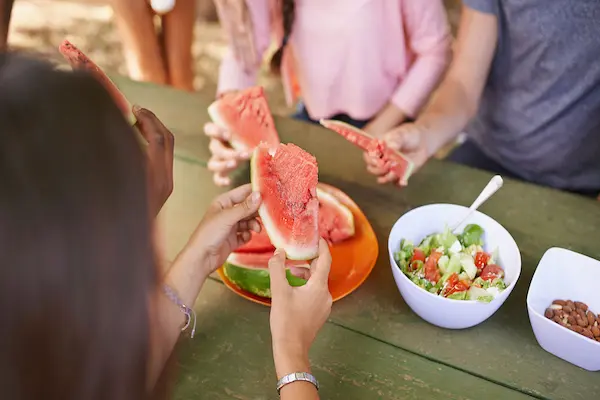
Instead of chasing perfection, easy healthy eating habits focus on small changes, simple meals, and everyday nutrition choices that you can repeat on busy days, low energy evenings, and tight budget weeks without feeling like you are failing.
A practical approach does not require you to weigh every bite or cut out all your favorite foods, and it certainly does not demand that you cook everything from scratch if your schedule and energy do not allow for that right now.
What truly matters is building gentle routines that add more nourishment to your day bit by bit, while still respecting your lifestyle, your preferences, and your wallet.
This article will walk through small changes you can make without extreme rules, show portion ideas that are easy to visualize, share simple meal examples you can adapt with ingredients you already like, and offer budget-aware tips inspired by general public health guidance on healthy choices.
Why Easy Healthy Eating Habits Work Better Than Strict Diets

Strict diets often promise fast results, but they usually demand sudden, drastic changes that are hard to maintain when work, family, stress, and social events collide with your ideal plan.
In many cases, a rigid set of rules can lead to an all or nothing mindset where one off slipups feel like failure, which encourages giving up rather than gently getting back on track.
Easy healthy eating habits take the opposite path, because they focus on small changes that fit into everyday life and can be repeated without needing perfect motivation or a completely clear calendar.
When changes feel realistic, your brain is less threatened, your budget can adapt gradually, and your identity can shift slowly toward someone who naturally makes healthier choices most of the time.
Over months, this kind of steady, flexible approach often brings more stable benefits for energy, mood, and long term health than short bursts of extreme restriction.
- Small changes are easier to start, especially when you feel tired, busy, or overwhelmed by nutrition advice.
- Flexible habits allow room for celebrations, travel, and comfort foods without destroying your entire plan.
- Simple meals are quicker to prepare, which means you are more likely to cook or assemble food at home instead of relying only on takeout.
- Everyday nutrition routines can be adapted for different budgets, cultures, and taste preferences.
- Gentle improvement builds confidence, because you can see progress without feeling constantly judged by unrealistic rules.
Core Principles Behind Easy Healthy Eating Habits
Before diving into lists and meal ideas, it helps to understand a few guiding principles that keep your approach non judgmental, practical, and flexible.
Thinking through these ideas once makes it easier to decide whether a new habit, recipe, or suggestion actually fits your life.
- Focus on adding rather than only removing, by including more vegetables, fruits, whole grains, and protein, instead of obsessing about banning every less nutritious food.
- Choose simple meals with a few familiar ingredients that you can repeat, because routine makes healthy choices easier on busy days.
- Build small changes slowly, such as improving one meal or one snack at a time, instead of trying to transform everything in a single week.
- Respect your budget by using affordable staples like beans, eggs, oats, frozen vegetables, and in season produce when possible.
- Listen to your body, noticing hunger, fullness, and energy levels, and use that information to gently adjust portions and timing.
- Allow flexibility for cultural foods, comfort dishes, and social meals, remembering that overall patterns matter more than individual moments.
Keeping these principles in mind helps your easy healthy eating habits feel like support for your life instead of another strict system to obey.
Small Changes You Can Start This Week
Big transformations grow from small actions repeated many times, so beginning with a list of tiny, realistic changes can remove pressure and give you clear first steps.
You do not need to use every idea that follows, and in fact it often works better to choose two or three that seem easiest and build from there.
Step by Step Small Changes List
- Add one serving of fruit to your usual breakfast or morning routine, such as a banana, an apple, or a handful of berries, whether fresh, frozen, or packed in water or juice.
- Swap one sugary drink per day for water, unsweetened tea, or flavored water with slices of citrus or herbs, keeping the rest of your day the same at first.
- Include at least one vegetable at lunch, even if it is as simple as baby carrots, cucumber slices, lettuce, or frozen mixed vegetables heated in the microwave.
- Make half of at least one meal based on a public health inspired pattern, filling half your plate or bowl with vegetables and fruits, a quarter with protein, and a quarter with grains or starchy foods.
- Use a smaller plate or bowl at one main meal to help with portion awareness, while still allowing yourself to go back for more if you are truly hungry.
- Replace one highly processed snack with a more filling option like yogurt, nuts, fruit, or whole grain crackers and cheese.
- Plan one simple home cooked dinner this week, using ingredients you already know, even if the meal is very basic like beans, rice, and a vegetable.
- Keep a reusable bottle of water nearby during your day, taking small sips regularly instead of trying to drink everything at once.
- Notice at least once per day how your body feels before and after eating, without judgment, simply collecting information about hunger and comfort.
- Choose one food you eat very quickly and experiment with slowing down that specific item, putting utensils or the food down between bites a few times.
Testing a few of these habits for a week or two gives you a gentle introduction to easy healthy eating habits and shows which changes feel natural and which need adjustment.
Simple Meal Ideas That Fit Everyday Nutrition
Knowing that you want to eat better is one thing, yet standing in the kitchen with low energy and limited time is another, which is why having a few simple meal patterns can make everyday nutrition a lot less stressful.
The goal here is not to provide gourmet recipes but to share easy templates that you can adapt with whatever affordable ingredients you enjoy and can access.
Simple Breakfast Ideas Using Small Changes
- Oats cooked with water or milk, topped with a sliced banana, a spoonful of peanut butter, and a sprinkle of seeds or nuts, which can be made on the stove or in the microwave.
- Whole grain toast or a tortilla with scrambled eggs and a handful of spinach or tomatoes, using frozen vegetables if fresh ones are expensive or not available.
- Plain yogurt mixed with frozen fruit and a spoonful of granola, muesli, or crushed whole grain cereal for extra crunch and fiber.
- Leftover dinner foods such as rice, beans, and vegetables reheated with an egg on top, for people who prefer savory breakfast dishes.
- A simple fruit and nut plate with a boiled egg or a piece of cheese, useful on mornings when cooking feels overwhelming but you still want some protein and fiber.
Easy Lunch Options for Home or Work
- Grain bowl using leftover rice, quinoa, or pasta, topped with beans or lentils, mixed vegetables, and a drizzle of oil, lemon, or your favorite simple dressing.
- Sandwich or wrap made with whole grain bread, a source of protein like tuna, hummus, chicken, or cheese, and whatever vegetables you have on hand such as lettuce, cucumber, or grated carrot.
- Soup based meal with a vegetable or bean soup paired with a piece of bread and fruit, using canned or boxed soup as a base that you can stretch with extra vegetables.
- Snack style plate with sliced vegetables, fruit, a handful of nuts, whole grain crackers, and a small amount of dip, which works well for people who enjoy variety and nibbling.
- Leftovers from a healthier dinner portioned into containers at the start of the week, which often saves money and effort compared to buying lunch outside every day.
Simple Dinners That Support Easy Healthy Eating Habits
- Beans, lentils, or chickpeas simmered with onions, garlic, and canned tomatoes, served over rice or potatoes with a side of frozen or fresh vegetables.
- Stir fry style meal where you cook mixed vegetables and a protein like tofu, eggs, or chicken in a pan with oil and seasoning, then serve over noodles or whole grains.
- Baked or roasted tray dinner using chopped vegetables and pieces of fish, chicken, or firm tofu tossed with oil and herbs, all cooked on one sheet for easy cleanup.
- Simple pasta dish with tomato based sauce, canned beans or ground meat, and a side salad or steamed vegetables, using whole grain pasta when accessible and affordable.
- Breakfast for dinner option like omelets, scrambled eggs, or bean filled tortillas with vegetables and whole grain toast when you need something very quick.
Everyday Snacks That Support Healthy Choices
- Fresh, frozen, or canned fruit served alone or paired with a small handful of nuts.
- Vegetable sticks with hummus, yogurt based dips, or a simple homemade spread of beans and olive oil.
- Plain popcorn prepared with a small amount of oil and light seasoning instead of heavy butter and salt.
- Yogurt cups with a spoonful of oats, seeds, or chopped fruit for extra texture and fiber.
- Whole grain crackers or toast with peanut butter or another nut or seed spread for a filling option.
These examples can be mixed and matched throughout the week, leaving plenty of room for your favorite cultural dishes and comfort foods while still supporting everyday nutrition.
Portion Ideas That Keep Things Balanced and Realistic
Serving sizes on labels and diagrams can feel confusing or unrealistic, so using simple visual cues can make portioning food feel more natural and less strict.
Remember that needs vary based on age, size, activity, health conditions, and many other factors, so these ideas are general starting points, not rigid rules.
Easy Visual Portion Guides
- Aim for roughly half your plate or bowl to be filled with vegetables and fruits at most main meals, focusing on variety and color rather than perfection.
- Use about a quarter of your plate for protein rich foods such as beans, lentils, eggs, tofu, fish, or lean meats.
- Fill the remaining quarter with grains or starchy foods like rice, pasta, potatoes, corn, or whole grain bread.
- For snacks, aim for a combination of fiber and protein, such as fruit with nuts or vegetables with hummus, to help you feel satisfied longer.
- When eating more energy dense foods such as fried items, desserts, or rich sauces, consider using smaller plates or bowls and filling the rest of your meal with lighter options like vegetables and salads.
Listening to Appetite Instead of Counting Every Bite
- Pause briefly before eating and ask yourself how hungry you feel on a simple scale from one to ten.
- Serve a moderate portion at first, telling yourself you can return for more if you are still hungry after a few minutes.
- Eat slowly enough that you can notice taste and texture, putting utensils or food down between several bites.
- Check in with your body halfway through the meal and decide whether you feel comfortable, still hungry, or already very full.
- Stop when you feel satisfied rather than stuffed when possible, saving leftovers for later instead of forcing yourself to clear the plate.
Practicing these skills gradually can help you find portion sizes that support your energy without feeling restricted or guilty.
Budget Aware Tips for Healthy Choices and Simple Meals
Wanting to improve your everyday nutrition while also staying within a tight budget is completely understandable, and small strategic decisions can stretch money while still supporting easy healthy eating habits.
Fancy specialty items are not required, and many public health recommendations can be met using low cost staples and smart shopping.
Saving Money While Eating Better
- Rely on affordable proteins such as dried or canned beans, lentils, peas, eggs, and canned fish, which often cost less than many meat options.
- Use frozen vegetables and fruits, which are usually picked at ripeness and can be cheaper, especially when certain produce is out of season.
- Buy grains like rice, oats, and pasta in larger packages when practical, and consider store brands which often cost less than big brands but provide similar nutrition.
- Plan a few meals that repeat ingredients, such as using the same bag of carrots in soups, snacks, and stir fries, to reduce waste.
- Cook double portions of simple meals and freeze leftovers in individual containers, which can prevent last minute takeout when you are tired.
Shopping With Everyday Nutrition in Mind
- Write a short list before going to the store, focusing on basics like grains, vegetables, fruits, proteins, and a few flavor items like spices or sauces.
- Walk the store looking for value options such as marked down produce that is still fresh enough for soups, stews, or smoothies.
- Compare unit prices on shelves, since different package sizes can hide large price differences per gram or ounce.
- Choose a few low cost snacks like bananas, carrots, or popcorn kernels instead of relying only on packaged snack foods.
- Start with your planned meals for the week and check what you already have at home to avoid buying duplicates you may not use.
Budget aware planning can feel empowering, because you know that healthier choices do not always require more money, only a bit more intention.
Seven Day Small Changes Plan for Easy Healthy Eating Habits
Having a simple weekly schedule can help you turn ideas into action, so the following seven day plan offers one small focus for each day.
You can follow these steps in order or shuffle them to match your routine, repeating the cycle over several weeks as habits begin to feel natural.
Step by Step Weekly Schedule
- Day one
Add a fruit to breakfast and drink at least one glass of water in the morning, without changing anything else. - Day two
Make half of your lunch plate vegetables and fruits, using fresh, frozen, or canned options that are easy to prepare. - Day three
Replace one snack with a combination of protein and fiber, such as yogurt and fruit or nuts and carrots. - Day four
Prepare or assemble one simple dinner at home using a grain, a protein, and at least one vegetable. - Day five
Swap one sugary drink or extra sweetened coffee for water, tea, or a less sweet version, and notice how you feel. - Day six
Practice mindful eating at one meal, slowing your pace slightly and checking in with your hunger and fullness signals. - Day seven
Review the week and choose which small changes felt easiest and most helpful, then write down two habits you want to keep for next week.
Using a gentle weekly schedule like this transforms everyday nutrition from a vague goal into specific small actions you can actually complete.
Simple Checklists to Keep Easy Healthy Eating Habits on Track
Visual checklists make progress easier to see, which can be motivating when changes feel subtle or slow.
Because strict scoring can feel stressful, these lists are designed as supportive reminders rather than tests you must pass perfectly.
Daily Healthy Choices Checklist
- ☐ Ate at least one fruit.
- ☐ Included at least one vegetable at any meal.
- ☐ Drank water several times during the day.
- ☐ Had at least one meal or snack with a mix of protein and fiber.
- ☐ Took a moment to notice how your body felt before or after eating.
Weekly Small Changes Checklist
- ☐ Cooked or assembled a simple meal at home at least three times.
- ☐ Tried one new or rarely used vegetable, fruit, or whole grain.
- ☐ Replaced at least two highly processed snacks with more filling options.
- ☐ Used a smaller plate or bowl at one meal to explore portion awareness.
- ☐ Reflected briefly on what felt helpful and what felt hard this week.
Checking even a few boxes each week is a sign that your easy healthy eating habits are slowly becoming part of your everyday life.
Common Challenges and Gentle Solutions
Nearly everyone encounters obstacles when trying to change food habits, and meeting those challenges with curiosity and flexibility instead of harsh self criticism makes it far easier to keep going.
The following situations are common and do not mean you are failing, only that you may need small adjustments.
Busy Days With No Time to Cook
- Keep a backup list of very fast meals like eggs and toast, canned beans on toast, or frozen vegetables with rice and a fried egg.
- Stock a few healthier convenience items such as pre washed salad, frozen vegetable mixes, or canned soups that you can easily improve with extra vegetables or beans.
- Batch cook one or two dishes on a calmer day and freeze portions for future busy evenings.
Cravings for Sweets or Salty Snacks
- Include regular, satisfying meals and snacks so extreme hunger does not drive intense cravings.
- Allow small portions of favorite treats on purpose instead of restricting them completely, which often fuels stronger desire.
- Pair sweets with more filling foods, such as having a cookie with yogurt or fruit instead of as the only snack.
Feeling Overwhelmed by Nutrition Information
- Return to basics like eating some vegetables, some fruits, some whole grains, and some protein each day, without getting lost in detailed trends.
- Choose one or two trusted sources of public health style guidance and ignore confusing hype from extreme diet messages.
- Focus on small changes that you can see and feel, such as having more energy or fewer afternoon energy crashes, rather than chasing perfect numbers.
Treating challenges as signals to adjust your strategy rather than as proof that you cannot change keeps your easy healthy eating habits flexible and kind.
Bringing Your Easy Healthy Eating Habits Together
Improving your food habits does not require a total life overhaul, and in many cases, small, realistic steps create more stable change than sudden, strict diets.
By focusing on simple meals, everyday nutrition, and small changes that respect your preferences and budget, you can gradually build a home routine that supports your energy and long term health without taking over your life.
Combining visual portion ideas, checklists, and a gentle weekly schedule turns intentions into actions that fit into real days filled with work, family, and responsibilities.
The information in this article is general and educational in nature and is not intended as personalized medical, nutritional, or dietary advice, diagnosis, or treatment.
Any specific questions about health conditions, allergies, medications, or special dietary needs should be discussed with qualified healthcare or nutrition professionals who can consider your individual situation.
This content is independent and has no affiliation, sponsorship, or control from institutions, platforms, brands, or other third parties, and you remain responsible for choosing how to apply these suggestions about easy healthy eating habits in a way that feels safe, realistic, and respectful for your own body, culture, preferences, and budget.