
When you are just starting to think about eating a bit better, counting every calorie, weighing every spoonful, or memorizing long lists of “allowed” and “forbidden” foods can feel confusing and exhausting, especially if you are preparing meals for yourself or your family after a long day of work or study.
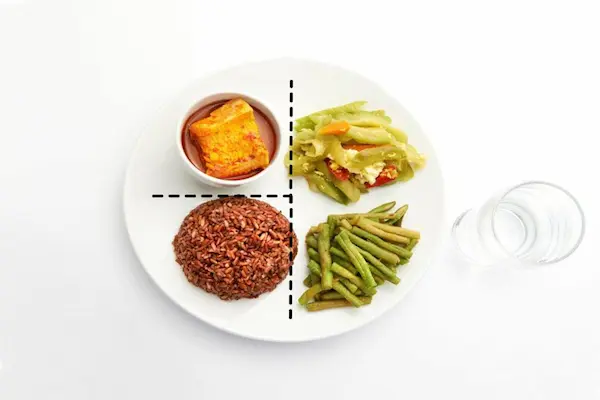
Instead of trying to track every nutrient, the balanced plate method at home gives you a simple, visual way to build a meal by looking at your plate and asking a few easy questions about what is taking up space, which foods are missing, and how you might adjust portions with very small changes.
Rather than focusing on numbers and complicated rules, this plate model divides the space on your plate into general sections, so you can see at a glance how to combine vegetables or fruit, a source of protein, and some carbohydrates, while leaving room for small amounts of fats or toppings that make food enjoyable and satisfying.
Across this article, you will learn how the balanced plate method at home works in everyday language, how to use those simple proportions for breakfast, lunch, and dinner, how to adjust portions without a scale, and how to build printable-style guides and checklists so you can remember the pattern even on busy days.
Why a Plate Model Helps When You Are New to Simple Nutrition

Trying to read detailed nutrition labels or complicated diet plans can feel overwhelming, especially when you are just beginning and simply want to know what to put on the plate in front of you tonight, not ten different theoretical options for later.
A visual plate model works well for beginners because it takes the idea of “balanced” eating, which can sound abstract, and turns it into something you can literally see: sections of a plate filled with different types of foods in rough proportions that are easy to remember.
- Instead of counting numbers at every meal, you only need to remember rough fractions, such as “half, quarter, quarter,” which are much easier to apply when you are tired.
- Instead of tracking everything in an app, you simply look at the plate in front of you and ask whether the vegetables or fruit, protein, and carbohydrate portions are reasonably balanced.
- Instead of feeling you must cook perfectly “healthy” recipes, you can adapt dishes you already enjoy by adjusting how much of each food type fills the plate.
- Instead of rigid rules, the balanced plate method at home gives you a structure that can bend for your culture, budget, and taste while still following a clear pattern.
Because the plate model leaves space for meals to be simple, familiar, and realistic, it often works better for everyday life than strict diets that are hard to stick to beyond a few weeks.
Core Proportions of the Balanced Plate Method at Home
Half of the Plate: Vegetables and Fruit for Color and Volume
The largest section of the balanced plate method at home is usually the half of the plate filled with vegetables and sometimes fruit, because these foods bring color, fiber, and a wide variety of helpful vitamins and minerals while usually being relatively low in calories compared with richer foods.
- Non-starchy vegetables, such as leafy greens, broccoli, peppers, carrots, cucumber, zucchini, and tomatoes, usually make up most of this half.
- Both raw and cooked vegetables count, including salads, steamed vegetables, roasted mixes, and simple stir-fries with only a small amount of oil.
- Fruit can appear on the plate or on the side, especially at breakfast or as a dessert-like addition to lunch or dinner.
- Frozen vegetables or canned vegetables (in water with little added salt) work just as well as fresh ones for the plate model, which helps when time or budget is limited.
When you look at your plate at home, asking whether roughly half the space is filled with vegetables or vegetables plus some fruit gives you a quick check that you are following one major part of the plate model.
One Quarter of the Plate: Protein Foods for Staying Power
Protein foods support muscle maintenance and help many people feel satisfied for longer after a meal, so the balanced plate method at home usually reserves about a quarter of the plate for items from this group.
- Animal-based options might include chicken, turkey, fish, eggs, or lean cuts of meat if those match your preferences and budget.
- Plant-based options might include beans, lentils, chickpeas, tofu, tempeh, or other soy-based products, which can be very budget-friendly and versatile.
- Some dairy products like cheese or yogurt contribute protein, and they can be paired with other foods to roughly fill this quarter of the plate.
- Combination foods, such as bean stews, lentil curries, or dishes that mix grains and legumes, may cover both protein and carbohydrate roles, in which case you can think about how much of the plate they occupy overall.
Focusing on roughly a quarter of the plate for protein foods keeps portions moderate without needing exact measurements, and you can adjust that section slightly based on your appetite, age, and activity level.
One Quarter of the Plate: Carbohydrate Foods for Energy
The remaining quarter of the plate is usually filled with carbohydrate-rich foods, which provide energy to support daily activities, work, and movement, and which can be chosen in more wholesome forms when possible.
- Common carbohydrate foods on the plate include rice, pasta, potatoes, bread, tortillas, couscous, or other grains such as quinoa or barley.
- Whole grain versions, like brown rice, whole wheat pasta, or whole grain bread, generally provide more fiber and can help you feel full longer, though any staple can be part of balanced meals.
- Traditional dishes that combine grains and legumes or grains and vegetables can still follow the plate model by visually estimating how much space the carbohydrate portion occupies.
- When the carbohydrate portion starts to creep over half the plate, you can gently reduce it and slide in more vegetables to return closer to the balanced plate method at home.
For many people, keeping carbohydrate foods to about a quarter of the plate, while not overly strict, offers a simple portion guide that prevents meals from becoming mostly starch with only a small amount of other foods.
Fats and Extras: Small Additions That Make Meals Enjoyable
Besides the main sections of the plate model, small amounts of fats and extras play an important role in making food satisfying and flavorful, because very strict removal of these ingredients often leads to meals that feel unsatisfying and difficult to maintain long term.
- Cooking oils, butter, margarine, salad dressings, and sauces can be used in modest amounts, ideally spread across vegetables, grains, and proteins so each bite tastes good.
- Foods like nuts, seeds, avocado, and olives provide fats as part of whole foods, and they can be sprinkled or sliced onto the plate without taking over too much space.
- Sauces and toppings, including ketchup, mayonnaise, cheese, or gravies, can still appear in the meal, and the plate model helps you keep them as accents rather than main components.
- Sweet foods and desserts do not need a special place on the main plate, yet they can be included occasionally while you keep the basic plate method for your primary meals.
Thinking of fats and extras as small but important finishing touches, rather than the main part of the plate, helps you enjoy food while still following a simple nutrition structure that supports your goals.
Balanced Plate Method at Home for Different Meals in the Day
Breakfast Using the Plate Model Without Overcomplicating Things
Morning meals often look different from lunch and dinner, and plates might be replaced by bowls, cups, or toasts, yet the balanced plate method at home can still guide you when building breakfast in a simple way.
- Imagine half of your “breakfast plate” as fruit or vegetables:
- Fresh fruit like banana, apple, berries, or orange slices.
- Vegetables such as tomato, spinach, or mushrooms cooked with eggs.
- Think of one quarter as a protein choice:
- Eggs, yogurt, cottage cheese, beans, or nut butter.
- Use the last quarter for carbohydrates:
- Oats, whole grain bread, simple cereals, or tortillas.
For example, a balanced breakfast could be whole grain toast (carbohydrate) with scrambled eggs (protein) and a side of tomatoes plus an orange (vegetables and fruit), all arranged mentally as halves and quarters even if they sit in separate bowls or plates.
Lunch Plates That Follow the Plate Model Without Fancy Recipes
Midday meals often need to be quick and portable, especially if you are eating at work or school, so building lunch using the balanced plate method at home usually means keeping a simple mental checklist rather than making a perfect picture every time.
- Start by asking what vegetables or salads you can include to cover roughly half the meal volume, such as a mixed salad, leftover roasted vegetables, or a generous portion of cut raw vegetables.
- Add a source of protein that fits about a quarter of the container or plate, such as beans, lentils, eggs, chicken, tuna, tofu, or a bean-based spread like hummus.
- Finish with a portion of carbohydrates about the size of the remaining quarter, such as rice, a piece of bread, pasta, or a wrap.
- Include small extras like dressing, seeds, or cheese in modest amounts that enhance flavors without dominating the meal.
Examples might include a large salad bowl with roasted vegetables (half), chickpeas (quarter), and a scoop of couscous or rice (quarter), or a plate with stir-fried vegetables (half), chicken pieces (quarter), and brown rice (quarter).
Dinner With the Balanced Plate Method at Home as a Simple Guide
Evening meals are often where families come together, and they sometimes become heavier and richer, yet the plate model can guide you here as well without needing new recipes every night.
- Classic example plates:
- Half plate of mixed vegetables (steamed broccoli, carrots, and peas), a quarter plate of baked fish, and a quarter plate of mashed potatoes.
- Half plate of stir-fried vegetables, quarter plate of tofu or meat strips, quarter plate of noodles or rice.
- Half plate of salad and cooked vegetables, quarter plate of lentil stew, quarter plate of whole grain bread.
- Family-style dinners:
- When dishes are served in the middle of the table, you can still aim to fill your own plate according to the half-quarter-quarter idea.
- When casseroles or mixed dishes combine everything, think about how big your portion is relative to the plate, and whether you can add extra vegetables on the side.
Looking at your dinner this way helps you adjust portions gently, such as adding one more spoon of vegetables and slightly reducing the amount of pasta, while still enjoying familiar meals.
Snacks and Small Meals Using the Plate Model Logic
Even though snacks do not always sit on a large plate, you can still borrow ideas from the balanced plate method at home by aiming for small combinations of foods rather than one type alone.
- Pair fruit or vegetables with a protein or healthy fat, such as:
- Apple slices with peanut butter.
- Carrot sticks with hummus.
- Yogurt with berries and a sprinkle of oats or nuts.
- Think about small balance rather than only starch or only sweet items, for example:
- Crackers plus cheese and cucumber slices instead of plain crackers.
- Leftover vegetable soup plus a small piece of bread instead of just bread alone.
Using plate method thinking for snacks helps them support your energy and appetite between meals instead of causing sharp ups and downs.
Portion Ideas Without Scales or Measuring Cups
Using Your Hands as a Simple Portion Guide
Because not everyone owns kitchen scales or wants to measure every spoonful, many people find it helpful to use their own hands to estimate portions in a quick and personal way that works well alongside the plate model.
- A palm-sized portion of protein foods (not counting fingers) can be a starting point for the quarter-plate protein section.
- A cupped hand of cooked grains or starches often matches the quarter-plate carbohydrate portion for many adults.
- Two open hands held together roughly show the amount of vegetables that might fill half the plate.
- A thumb-sized amount can remind you of a small portion of oils, butter, or rich spreads.
These hand-based ideas are not strict rules, yet they give you a personal tool that is always with you, even when you eat away from home or share food with others.
Adjusting Portions for Activity Level, Hunger, and Age
The balanced plate method at home offers a starting pattern, and you can then tweak the size of each section gently based on how active you are, how hungry you feel, and other personal factors like age or height.
- If you are very active or have a physically demanding job, slightly larger carbohydrate and protein portions may feel appropriate, while maintaining a generous portion of vegetables.
- If you are trying to eat more lightly, you might emphasize the vegetable half of the plate, keep protein steady, and make a slightly smaller carbohydrate portion.
- Children’s plates can follow the same fractions, but overall portion sizes will be smaller, and appetite may vary from day to day.
- Older adults may focus on keeping protein at least a quarter of the plate to help support muscle, while still including plenty of vegetables and suitable carbohydrates.
Listening to your body and adjusting within the plate model gives you both structure and flexibility as you learn what works best for your everyday life.
Meal Planning With the Balanced Plate Method at Home
Three-Step Planning Process for Weekly Meals
Planning does not need to be complicated; in fact, using the plate model can simplify meal planning by giving you a clear structure to follow when creating a shopping list or choosing what to cook.
- Choose your vegetables for the week:
- Select a mix of fresh, frozen, or canned vegetables that you know you will actually eat.
- Think in terms of colors and textures so meals feel more interesting.
- Pick a few protein sources:
- Decide on two or three types for the week, such as beans, eggs, and chicken, or tofu, lentils, and canned fish.
- Plan to use each protein in more than one meal to avoid waste.
- Match them with carbohydrate bases:
- Choose staples like rice, pasta, potatoes, or bread that work with multiple dishes.
- Link each evening meal idea to one staple, one protein, and at least one vegetable.
Once these three steps are done, you can write a simple weekly list of meals, each following the balanced plate method at home while still using familiar foods.
Pantry and Fridge Setup That Supports the Plate Model
Arranging your pantry and fridge so that the balanced plate model is easy to follow can make everyday decisions quicker, because your space reflects the way you want to build meals.
- Group vegetables together so you see them easily when starting a meal, including frozen options near the front of the freezer.
- Keep carbohydrate staples (rice, pasta, grains, bread) in a visible area where you can grab only what you need for the plate portion.
- Store protein foods in one or two key spots, such as a shelf for canned beans and a section in the fridge or freezer for eggs, tofu, or meat.
- Place small containers of oils, dressings, and toppings within reach but not directly in front, reminding you they are additions rather than the main components.
By setting up your kitchen this way, you make it more natural to fill half your plate with vegetables, add a quarter of protein, and finish with a quarter of carbohydrate, without needing to think through the model every time.
Printable-Style Guides and Checklists for the Balanced Plate Method at Home
Text-Only “Poster” You Can Print or Copy
Many people find it useful to have a simple text guide on the fridge, a cupboard door, or in a notebook, so here is a written version you can copy, print, or adapt for your own home.
- Balanced Plate Method at Home – Quick Guide
- Half the plate = vegetables (raw or cooked) and sometimes fruit.
- One quarter = protein foods (beans, lentils, eggs, fish, tofu, lean meats).
- One quarter = carbohydrate foods (rice, pasta, potatoes, bread, grains).
- Small amounts = fats and extras (oils, dressings, nuts, cheese, sauces).
- Questions to ask before eating:
- Do I see at least one vegetable or fruit on this plate.
- Is there a clear source of protein taking about a quarter of the space.
- Are the starches or grains roughly limited to one quarter instead of half.
- Did I add only small amounts of oils, spreads, or sauces.
Using this kind of guide as a visual reminder helps bring the plate model to mind when you are serving food, even if you do not consciously think about fractions every time.
Printable-Style Meal Idea Lists Based on the Plate Model
Besides the basic proportions, having a list of simple meals organized by the plate sections can make planning easier, so you can quickly choose combinations that fit the balanced plate method at home.
- Vegetable and fruit ideas for half the plate:
- Mixed salad with lettuce, tomato, cucumber, carrot.
- Steamed or roasted broccoli, cauliflower, carrots, or green beans.
- Stir-fried mixed vegetables using frozen bags and simple seasoning.
- Fruit on the side, such as sliced apple, orange segments, or berries.
- Protein ideas for the quarter section:
- Cooked beans, lentils, or chickpeas.
- Eggs prepared as boiled, scrambled, or in omelets.
- Pieces of chicken, turkey, fish, or tofu.
- Simple dairy choices like cottage cheese or plain yogurt paired with other foods.
- Carbohydrate ideas for the last quarter:
- Rice, couscous, or quinoa.
- Potatoes or sweet potatoes, baked or boiled.
- Pasta, noodles, or whole grain bread.
- Traditional staples from your culture, such as tortillas, flatbreads, or other grains.
Printing or writing these lists where you can see them turns the balanced plate method at home into a practical tool rather than just an idea you once read about.
Adapting the Plate Model to Different Eating Patterns and Cultures
Vegetarian and Plant-Focused Plates
If you prefer to eat mostly or entirely plant-based meals, the plate model still works well, because beans, lentils, chickpeas, tofu, tempeh, and other plant proteins can easily fill the protein quarter.
- Use half the plate for a mix of vegetables and perhaps some fruit, just as in any other version.
- Place plant-based protein foods such as lentil patties, bean stews, tofu stir-fries, or hummus in the quarter reserved for protein.
- Fill the carbohydrate quarter with rice, whole grain bread, potatoes, or cultural staples like plantains or corn dishes.
- Add small amounts of healthy fats from nuts, seeds, avocado, or oils used in cooking.
Since plant-based foods often combine protein and carbohydrates, you can think about how much overall space those foods take on the plate and aim for rough balance among vegetables, protein-rich foods, and starches.
Cultural and Traditional Meals Within the Plate Model
Every culture has favorite dishes and staple ingredients, and the balanced plate method at home can be used to guide portion ideas without asking you to give up meaningful traditional foods.
- Identify which parts of a traditional meal are mainly vegetables, which are primarily protein, and which are mostly carbohydrates.
- Serve vegetables or salads more generously so they take roughly half the plate, while keeping cherished dishes like rice, bread, or noodles within the carbohydrate quarter.
- Place traditional protein foods such as stews, grilled items, or legumes in the protein section, adjusting portion sizes so the plate still looks balanced.
- Consider adding extra vegetables to mixed dishes, such as soups or stews, to bring them closer to the plate model even if everything is in one bowl.
This approach lets you keep cultural connections and family recipes, while still following simple nutrition patterns that support everyday wellbeing.
Gentle Troubleshooting When the Plate Model Feels Hard to Use
Common Challenges and Practical Responses
Even with a simple tool like the balanced plate method at home, real life can make things tricky, and it is useful to think ahead about how you might respond when obstacles appear.
- Challenge: Very limited time to cook.
- Response: Use frozen vegetables, canned beans, and pre-cooked grains to assemble quick plates that still follow the half-quarter-quarter idea.
- Challenge: Family members who are not interested in changes.
- Response: Start by adjusting your own plate and gradually offer more vegetables or side salads, without forcing everyone to follow immediately.
- Challenge: Eating often away from home or at restaurants.
- Response: Look at your plate or container and try to order or serve meals where vegetables appear, protein is present, and starch portions are not the largest section.
- Challenge: Feeling hungry after trying the model.
- Response: Check whether your plate had enough protein and fiber-rich foods, and consider slightly increasing the protein or vegetable portions while keeping balance.
Viewing these challenges as normal parts of learning, rather than as signs of failure, can make it easier to keep using the plate model over time.
Staying Flexible and Kind With Yourself
Some days will feel well balanced and others may not, and that is perfectly normal, because what really matters is the general pattern of your meals over weeks and months, not whether every plate is perfect.
- Use the balanced plate method at home as a helpful guide, not as a strict rule; it is a tool you can lean on, not a test you must pass.
- Allow for celebrations, busy days, and comfort meals, and return to the plate model gently afterward without guilt.
- Adjust the model to your life rather than forcing your life into the model; it should support you, not control you.
- Notice and appreciate small improvements, such as adding an extra vegetable to dinner or choosing a bit more variety during the week.
With this attitude, the plate model becomes a friendly helper in your kitchen, offering clear structure while leaving room for joy, culture, convenience, and your own learning process.
Bringing the Balanced Plate Method at Home Into Everyday Practice
As you begin using the balanced plate method at home, you may find that what once felt confusing—questions like “What should my meal look like” or “How much of each food do I need”—starts to feel calmer and more manageable, because you now have a visual pattern to guide each plate you build.
Each time you fill half your plate with colorful vegetables or vegetables plus some fruit, reserve a quarter for a satisfying source of protein, and use the last quarter for your preferred carbohydrate foods, you are practicing simple nutrition in a way that is both structured and flexible, without needing technical jargon or complex tracking systems.
Over time, these small actions can make meal planning quicker, grocery shopping more focused, and everyday eating more balanced, especially when you support the plate model with practical tools like pantry planning, printable-style guides on your fridge, and short checklists that remind you what to aim for when life feels busy or distracting.
Most importantly, the balanced plate method at home is not about perfection; it is about giving yourself a clear, friendly framework that helps you choose and combine foods in a way that respects your taste, your culture, your budget, and your health, one plate at a time.