
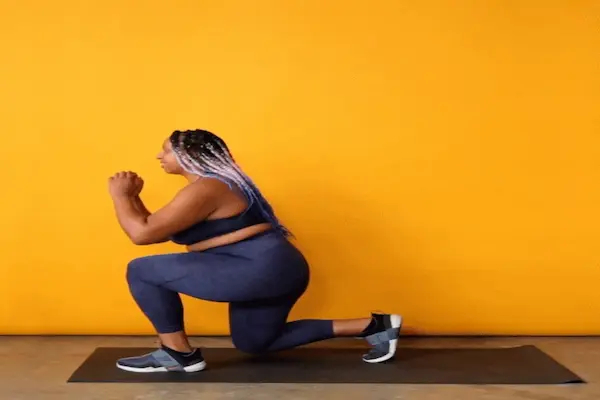
Beginning any kind of exercise routine often feels intimidating, especially if you imagine crowded gyms, complicated machines, or super-fit people who look like they already know exactly what they are doing, which is why home training can be such a friendly starting point for someone who wants a simple routine in a familiar space.
Working out at home removes a lot of barriers, because you do not need a membership, special clothes, or travel time, and you can experiment quietly with different movements until you find the best home workout ways beginners like you can repeat more comfortably and confidently.
- Home training lets you move at your own pace without worrying about who might be watching or judging your current fitness level.
- Short beginner workout sessions can fit between chores, study blocks, or childcare without needing a full hour or a complicated plan.
- Simple no gym routines can start with just your bodyweight, so you do not have to buy equipment before you even know what you enjoy.
- Repeating easy movements in a familiar room helps your brain feel safer, which often makes consistency more realistic over time.
For someone starting from zero or coming back after a long break, the most important goal is building a habit you can sustain, and home training offers a flexible space to discover what your body can do now and how it responds to gentle, regular practice.
Safety and Mindset Before You Try Any Beginner Workout at Home
Even the best home workout ways beginners can follow will only help if they feel safe and manageable, so it is worth taking a moment to set up a supportive mindset and a basic safety check before you dive into a new simple routine.
Basic Safety Considerations
- If you have any medical conditions, ongoing pain, or worries about your heart, joints, or balance, checking in with a healthcare professional before starting a new home training plan is a wise step.
- Choose a clear space where you can move without tripping on rugs, toys, cables, or furniture, and wear shoes with good grip if your floor is slippery.
- Warm up gently before doing more challenging movements, using slow joint circles, marching in place, and light stretches to wake up muscles and prepare your body.
- Listen closely to your own body; feeling muscles working and breathing harder is normal, but sharp pain, dizziness, or strong discomfort are signals to stop, rest, or modify the exercise.
Helpful Mindset for Total Beginners
Starting home training is not about proving anything in a single session; it is about teaching your mind and body that you are capable of small, repeated efforts that become easier with time, so a kind, realistic mindset goes a long way.
- Think “practice” instead of “performance,” reminding yourself that every simple routine you try is a learning session, not a test you must pass.
- Choose a very small starting goal, such as five to ten minutes of movement three times per week, then celebrate each time you show up, even if the workout feels modest.
- Accept that some days your energy will be low; on those days, a gentle stretch or short walk around the room still counts as home training, because it keeps the habit alive.
- Keep comparison minimal, focusing on your own progress rather than on what other people online or in your life can do with their fitness level.
Once safety and mindset feel grounded, exploring the best home workout ways beginners can follow at home becomes much more enjoyable and less stressful.
Types of Home Training That Work Well for Beginners Without a Gym
Plenty of exercise options look complicated, yet beginner workout choices at home can be grouped into a few simple categories that you can mix and match according to your comfort, time, and preferences.
1. Bodyweight Strength Training (No Equipment Needed)
Strength-based home training focuses on helping muscles get stronger using only your bodyweight, which is ideal for no gym routines and can be scaled to any level.
- Lower body exercises:
- Chair sit-to-stands (like squats using a chair for support).
- Wall-supported lunges or step-backs.
- Glute bridges on the floor, lifting hips gently while the upper back stays on the ground.
- Upper body exercises:
- Wall push-ups or counter push-ups instead of floor versions.
- Door frame rows using a sturdy frame to gently pull yourself toward it.
- Modified knee push-ups for a slightly bigger challenge later on.
- Core and posture exercises:
- Dead bug variations, lying on your back and raising opposite arms and legs slowly.
- Plank holds on knees or using a countertop to reduce the load.
- Bird-dog movements from hands and knees, extending opposite limbs with control.
This style of simple routine helps you build functional strength for everyday tasks like climbing stairs, lifting groceries, or sitting and standing more comfortably.
2. Low-Impact Cardio for Beginner Workout Sessions
Cardio-based home training raises the heart rate gently, improving endurance and circulation without necessarily requiring jumping, running, or complicated choreography.
- Steady, low-impact movements:
- Marching in place while swinging your arms.
- Stepping side to side and reaching overhead.
- Walking laps around your home if space allows.
- Tempo variations:
- Alternating one minute of slightly faster marching with one minute of slower movement.
- Using music with a gentle beat to keep rhythm and enjoyment higher.
- Cardio plus coordination:
- Simple knee lifts combined with arm reaches.
- Slow, controlled toe taps to a step or low platform.
Low-impact cardio sessions can last five to twenty minutes and are often one of the best home workout ways beginners can start building endurance without stressing joints.
3. Mobility and Flexibility Routines
Gentle stretching and mobility work support joint comfort, posture, and relaxation, making them a great choice on rest days or for people who feel stiff or spend long hours sitting.
- Neck and shoulder mobility:
- Slow neck tilts side to side and gentle rotations.
- Shoulder rolls and arm circles at a comfortable range.
- Hip and back mobility:
- Cat-cow movements on hands and knees, rounding and arching the spine.
- Hip circles while standing, holding a chair for balance.
- Leg flexibility:
- Hamstring stretches using a chair or low step.
- Calf stretches against a wall or step.
Mobility sessions can be separate gentle workouts or short segments included as warm-up or cool-down in a simple routine.
4. Combination Circuits: Strength and Cardio Together
As you become more comfortable with individual exercises, combining them into small circuits can turn a few movements into an effective no gym beginner workout that trains multiple areas at once.
- A simple circuit might include:
- 10 chair sit-to-stands.
- 10 wall push-ups.
- 20 seconds of marching in place.
- 10 bird-dog repetitions per side.
- How to use the circuit:
- Perform each exercise in sequence, rest for one to two minutes, then repeat the circuit one to three times.
- Move slowly and focus on quality before trying to speed up.
Circuits like this represent some of the best home workout ways beginners can gradually increase difficulty while still feeling in control of pace and form.
Choosing the Best Home Workout Ways Beginners Can Stick With
Not every type of home training will feel right for every person, so it is helpful to test a few simple routines and notice which ones feel both manageable and slightly challenging without being overwhelming.
Questions to Help You Decide
- Which movements feel most natural or enjoyable to you—strength, cardio, stretching, or a mix.
- How much time can you realistically commit most days: five minutes, ten minutes, or more.
- Do you prefer very structured guidance (like following a written routine) or more open sessions where you choose exercises as you go.
- Would you rather move in silence, with calm music, or with more energetic songs to motivate you.
The answers to these questions guide you toward the best home workout ways beginners like you are likely to continue, which matters much more than choosing the most intense or complex plan.
Sample Simple Routine: 5-Minute Starter Home Training
For days when energy is low or time is tight, a five-minute beginner workout can act as a gentle introduction that still counts as real movement.
- Minute 1 – Warm-up march
- March in place with light arm swings.
- Keep breathing easy and shoulders relaxed.
- Minute 2 – Chair sit-to-stands
- Stand in front of a sturdy chair, sit down slowly, then stand up with control.
- Repeat for the whole minute, resting briefly whenever needed.
- Minute 3 – Wall push-ups
- Place hands on a wall at chest height, step back slightly, bend elbows to bring chest toward the wall, then push away.
- Focus on steady breathing and smooth movement.
- Minute 4 – March with knee lifts
- Lift knees a little higher than usual while marching, adjusting height for comfort.
- Use a nearby wall or chair for balance if you feel unsteady.
- Minute 5 – Gentle stretching
- Stretch the front of your thighs, calves, and shoulders with slow, comfortable holds.
- Finish with a deep breath in and out to signal the end of the session.
This tiny simple routine can be repeated once or twice per day or used as a stepping stone toward longer home training sessions as your confidence grows.
Sample 15-Minute Beginner Workout: Full-Body No Gym Routine
When you feel ready for something more substantial, a fifteen-minute simple routine still respects your time while giving a complete beginner workout for the whole body.
Structure of the Routine
- 3 minutes of warm-up.
- 10 minutes of alternating strength and light cardio blocks.
- 2 minutes of cool-down stretching.
Step-by-Step Plan
- Warm-up (3 minutes)
- First minute: march in place with gentle arm swings.
- Second minute: shoulder rolls, hip circles, and ankle circles.
- Third minute: side steps with light arm reaches overhead.
- Strength block 1 (lower body, 3 minutes)
- Perform 10 chair sit-to-stands at a comfortable pace.
- Rest for about 20–30 seconds, then repeat the set.
- Use remaining time for gentle calf raises, holding a chair for balance.
- Cardio block (3 minutes)
- Alternate 30 seconds of brisk marching with 30 seconds of slower stepping.
- Repeat for the full block, adjusting tempo if breathing feels too intense.
- Strength block 2 (upper body and core, 4 minutes)
- Do 8–10 wall push-ups, rest for 20–30 seconds, and repeat another set.
- Move to a comfortable floor or bed for basic bird-dog or dead bug exercises for the remaining time.
- Focus on controlled core engagement and smooth breathing.
- Cool-down (2 minutes)
- Stretch thighs, calves, chest, and shoulders lightly, holding each stretch for 10–20 seconds.
- Finish with one or two deeper breaths, noticing how your body feels compared with before you started.
This kind of structured home training routine illustrates how the best home workout ways beginners can use stay simple, repetitive, and safe, while still moving every major area of the body.
Equipment-Free Alternatives and Small Optional Upgrades
One of the main advantages of home training is that you can start using only your bodyweight, although over time some people enjoy adding very basic, low-cost equipment to expand their beginner workout options.
Equipment-Free Alternatives for Common Exercises
- If floor planks are uncomfortable:
- Use wall planks or countertop planks, leaning on your forearms or hands at an angle.
- Try simply holding a tall kneeling position while gently tightening your abdominal muscles.
- If lunges feel too demanding:
- Practice smaller step-backs while holding a chair for balance.
- Focus on chair sit-to-stands until your legs feel stronger.
- If full standing cardio is difficult:
- Perform seated marching, seated arm circles, or seated punches for a low-impact alternative.
Minimal Equipment Upgrades (Totally Optional)
- Resistance bands:
- Add challenge to squats, rows, and arm exercises without taking much storage space.
- Light dumbbells or filled water bottles:
- Increase resistance for biceps curls, shoulder presses, and simple rows.
- Exercise mat:
- Provide more comfort during floor-based home training and stretching.
These additions can wait until you are confident that your simple routine is becoming a habit; the early stages of discovering the best home workout ways beginners can follow rarely require buying anything beyond comfortable clothing and safe shoes.
Weekly Simple Routine Ideas for Home Training
Knowing which exercises to do is helpful, yet many people also appreciate seeing how to arrange them across a week, so here are two example schedules that keep things clear and manageable.
Option 1: Three-Day Beginner Workout Week
- Day 1 – Full-body routine (10–15 minutes)
- Warm-up, strength for legs, strength for upper body, short cardio, cool-down.
- Day 3 – Cardio and core focus (10–15 minutes)
- Longer low-impact cardio block plus a few core exercises.
- Day 5 – Full-body routine repeated
- Use the same or slightly modified routine from Day 1 to practice and improve.
Option 2: Five-Day Short Simple Routine Week
- Days 1, 3, 5 – 5-minute strength mini-session
- Pick two lower body and two upper body exercises, do one or two rounds.
- Days 2 and 4 – 5-minute stretch and mobility session
- Focus on neck, shoulders, hips, and back with slow, gentle movements.
Either pattern can be adapted; you can start with shorter sessions and then lengthen them as your stamina improves, always keeping safety and enjoyment in mind.
Common Beginner Obstacles and Simple Solutions
“I Do Not Know If I Am Doing It Right”
- Solution 1: Move in front of a mirror occasionally to check basic alignment without obsessing over every detail.
- Solution 2: Start with very small ranges of motion until you feel secure, then gradually deepen the movement.
- Solution 3: Focus on how your body feels—steady and controlled is a good sign, while pain signals that you need to modify or stop.
“I Miss Days and Feel Like Giving Up”
- Remind yourself that missed days are normal; the key is to restart with a short, simple routine, not to wait for a perfect moment.
- Keep your minimum goal small (for example, five minutes), so restarting does not feel like a huge demand.
- Track sessions on a calendar or app just to see patterns, not to punish yourself.
“I Get Bored Doing the Same Thing”
- Rotate two or three beginner workout routines, switching exercises while keeping the overall structure similar.
- Use music playlists or podcasts to make time feel more pleasant.
- Change the order of exercises or try new variations once the basics feel comfortable.
When to Consider Extra Guidance
Many beginners can safely explore the best home workout ways beginners have available using the simple suggestions above, yet some situations call for more personalized support.
- If you have significant joint pain, balance issues, or heart and lung conditions, working with a healthcare provider before beginning even a simple routine is sensible.
- If movement consistently causes pain or dizziness, pausing your current home training and consulting a professional is important for safety.
- If you feel unsure which exercises are appropriate for your body or any previous injuries, a physical therapist or qualified fitness professional can help adapt home training to your needs.
Seeking guidance does not mean you cannot train at home; it simply means you are building your beginner workout plan on a safer, more confident foundation.
Bringing It All Together: Building a Simple Routine You Can Grow With
Starting exercise at home can feel like a big step, yet when you break it into small, thoughtful choices, the process becomes much more manageable: you create a safe space, choose a few gentle movements, and commit to testing them for a few minutes at a time, rather than expecting overnight transformation.
The best home workout ways beginners can follow are not the most intense or complicated routines; they are the ones that respect your current level, fit your schedule, and leave you feeling slightly better, not exhausted or discouraged, after each session.
Home training with simple no gym routines gives you the freedom to experiment, to move in a way that feels right for your body, and to build strength, mobility, and confidence in quiet, consistent steps, which over time can open the door to more challenging workouts if and when you are ready.
With patience, care, and a willingness to keep things simple and safe, you can turn a few short beginner workout sessions into a steady habit that supports your health, energy, and mood, all without ever needing to leave the comfort of your own home.