
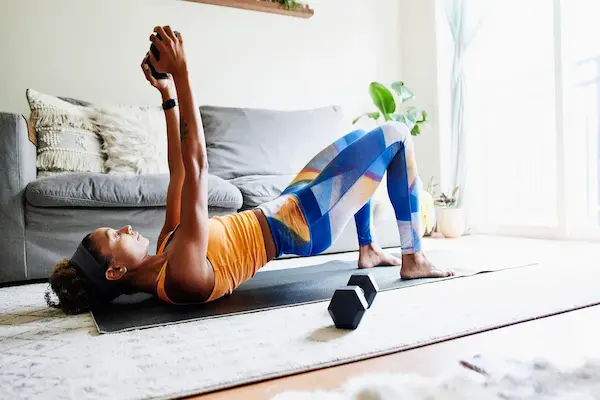
Gentle fitness habits for beginners offer a completely different doorway into movement, because they focus on low impact, easy exercises, safe movements, and slow progress that protects your joints and your confidence at the same time.
Instead of forcing yourself into workouts that leave you gasping, dizzy, or discouraged, you can build a calm, kind routine made of short, simple actions that respect where you are starting today.
This article will walk you through soft and realistic ideas, including low impact routine examples, safety pointers, comfort options, and clear suggestions to adjust intensity up or down, so that your first steps into exercise feel welcoming rather than intimidating.
Every suggestion is written with the understanding that bodies, histories, and abilities are different, and your journey counts just as much as anyone else’s, even if you are starting very slowly and with very small movements.
Why Gentle Fitness Habits for Beginners Matter So Much

Many people delay exercise because they believe movement only counts when it is hard, sweaty, and exhausting, yet health professionals repeatedly highlight that consistent low impact activity can bring meaningful benefits, especially for those who are new or returning after a long break.
Gentle fitness habits for beginners help your heart, muscles, and joints adapt gradually, which reduces the risk of sharp pain or injury and makes it more likely that you will stick with your new routine instead of quitting after a frightening or uncomfortable experience.
When you start slow and use safe movements, your nervous system can relax enough to learn that exercise is not a threat, and this feeling of safety becomes the foundation for long term change.
Over time, small actions add up in powerful ways, and what begins as a few minutes of easy exercises can slowly become a stable part of your life that supports your mood, sleep, energy, and confidence.
- Gentle routines feel less scary, which makes it easier to begin even on days when motivation feels low.
- Low impact movements are kinder to joints, especially knees, hips, ankles, and lower back that may already feel sensitive.
- Slow, controlled exercises give you time to notice your body’s signals and adjust before discomfort grows.
- Short sessions can be squeezed into busy days without needing special clothes, equipment, or a gym membership.
- Positive experiences with safe movements slowly rebuild trust in your body after periods of inactivity or pain.
Safety First: Simple Checks Before You Start Moving
Taking a few moments to think about safety before you move is a loving act toward yourself, not a sign of weakness, because it shows that you value your body and want to treat it with care.
Gentle fitness habits for beginners are designed to be low risk, yet any new activity still deserves a respectful approach, especially if you live with health conditions, pain, or previous injuries.
Health and Comfort Checklist
- Notice any current pain or symptoms, especially in the chest, joints, or head, and consider postponing exercise or speaking with a healthcare professional if you feel unsure.
- Ask yourself whether you have been advised by a doctor to avoid certain movements, and keep those limits in mind while choosing exercises.
- Choose clothing that feels soft and allows free movement, avoiding anything that pinches, digs in, or makes it hard to breathe deeply.
- Check that your floor is clear of clutter, loose rugs, or slippery spots, and straighten the area where you plan to move.
- Keep water nearby and give yourself permission to pause for sips whenever your mouth feels dry or your energy dips.
Safety Rules During Every Session
- Move slowly enough that you can feel what your body is doing instead of rushing through repetitions.
- Stop any exercise immediately if you notice sharp pain, heavy pressure in your chest, strong dizziness, or unusual difficulty breathing.
- Use supports like chairs, walls, or counters to help with balance rather than forcing your body to stabilize alone before it is ready.
- Begin with a very small number of repetitions and add more only if you feel comfortable and stable.
- End sessions feeling like you could have done a little more, instead of pushing to total exhaustion.
These simple boundaries help ensure that gentle fitness habits for beginners stay truly gentle, both for your body and for your nervous system.
Mindset Shifts for People Who Feel Intimidated by Exercise
Thoughts about not being fit enough, not moving correctly, or being judged can create a heavy emotional wall around exercise, especially when past attempts felt embarrassing or painful.
Shifting your mindset toward kindness takes practice, but it changes how every easy exercise feels, because you start to see movement as a way to care for yourself rather than to punish or prove something.
- Instead of thinking “I am so far behind,” try “I am learning gentle fitness habits for beginners at a pace that suits my body.”
- Rather than telling yourself “This is not real exercise,” remind yourself that low impact, safe movements are scientifically recognized as valid and useful.
- When you catch your mind saying “I will never change,” answer with “Every small session is evidence that I can show up, even if progress is slow.”
- If you feel embarrassed, remember that you can move in private at home, with curtains closed and no audience at all.
- On tough days, celebrate simply pressing play on a routine, putting on comfortable clothes, or doing one minute of movement, because those actions keep the habit alive.
The more you practice this gentle inner voice, the easier it becomes to continue your new routine without harsh self criticism.
Gentle Fitness Habits for Beginners at Home
Home is often the safest feeling place to start, because you can move slowly, take breaks whenever you need them, and design low impact routines that fit into small corners of your living space.
The goal in this stage is not to work every muscle perfectly but to introduce your body to safe movements, easy exercises, and the feeling of starting slow without pressure.
Low Impact Warm Up Ideas
Warming up does not need to be complicated, and even a few minutes of soft motion can prepare your joints and muscles to move more comfortably.
- Seated or standing shoulder rolls, moving both shoulders forward in circles and then backward, eight to ten times each way.
- Gentle neck tilts, bringing one ear slowly toward the same side shoulder, returning to center, and repeating other side in a pain free range.
- Slow marching in place, lifting your knees just a little and letting your arms swing naturally for one to two minutes.
- Wrist and ankle circles, lifting each hand or foot slightly and drawing small circles in both directions.
- Side step touches, stepping one foot gently to the side and bringing it back, then repeating with the other foot at an easy pace.
Easy Exercises You Can Start Slowly
Once you feel a bit warmer, you can explore a small group of low impact, beginner friendly moves that train your body without jumping, pounding, or complicated positions.
- Chair Sit to Stand
Sit near the front of a sturdy chair with your feet flat, lean slightly forward, press through your feet to stand up, then lower back down with control, using your hands for support if needed. - Wall Push Ups
Place your hands on a wall at about chest height, step your feet back a little, bend your elbows to bring your chest closer to the wall, then gently push away, keeping your body in a straight line. - Heel Raises
Stand holding a chair or counter, lift both heels slowly so you rise onto the balls of your feet, pause briefly, and lower again, noticing the work in your calves and feet. - Side Leg Taps
Stand tall and tap one foot lightly to the side, then bring it back to center and repeat on the other side, keeping your movements smooth and your core lightly engaged. - Seated Marches
Sit upright in a chair and alternately lift one knee and then the other, as if marching while seated, keeping your hands on the sides of the chair for balance if you like.
Sample Low Impact Routines for Different Energy Levels
Energy levels change from day to day, especially when you are new to movement, so having several gentle routines allows you to choose what matches your body instead of forcing the same plan every time.
Very Soft 5 Minute “I Am Just Starting” Routine
This tiny routine is for days when you feel unsure, nervous, or extremely tired, yet still want to honor your intention to move a little.
- Spend one minute rolling shoulders, tilting your head gently, and taking slow breaths.
- March in place or seated for about one minute at a very easy pace.
- Perform 4 to 6 chair sit to stand repetitions, using your hands and going as shallow as you need.
- Do 6 to 8 wall push ups or wall lean presses, moving slowly and staying within a comfortable effort level.
- Finish with one minute of stretching for your calves and chest, keeping each stretch mild and relaxed.
Completing this routine is a success, even if your brain calls it small, because it keeps your gentle fitness habits for beginners alive on a tough day.
10 to 12 Minute Low Impact Standing Routine
When you feel ready to do a bit more, this easy standing routine helps you build strength and coordination without jumping or deep bending.
- Warm up for two minutes with marching in place and arm swings at a comfortable pace.
- Perform 8 to 10 chair sit to stand repetitions, resting afterwards for several breaths.
- Do 8 to 10 wall push ups, adjusting your foot distance to keep the effort moderate, not extreme.
- Complete 10 heel raises while holding a chair or wall, focusing on slow and controlled movement.
- Finish one round with 10 side leg taps each side, keeping the taps small and light.
- Repeat the strength portion once if you feel okay, then end with two minutes of light stretching for legs, shoulders, and back.
This routine can be done two or three times per week, with rest days or very gentle movement days in between.
Chair Friendly 10 Minute Routine for Extra Comfort
Some days your body may ask for more support, and on those days a mostly seated routine keeps you participating while reducing pressure on your joints.
- Seated marching for one to two minutes to warm up your legs and core.
- Seated shoulder rolls and arm circles for one minute, staying relaxed and smooth.
- Seated knee extensions, gently straightening one leg at a time and lowering it again, 8 to 10 repetitions per side.
- Seated heel raises, keeping toes on the floor and lifting heels up and down, 10 to 12 repetitions.
- Seated torso twists, turning gently side to side with hands resting on your thighs, 6 to 8 repetitions per side.
- Seated forward lean, hinging slightly at the hips and returning upright, 6 to 8 repetitions in a small, comfortable range.
Chair based routines are still real exercise and can be a long term part of gentle fitness habits for beginners, especially for people with balance challenges or joint pain.
Comfort Options and Modifications for Every Body
Bodies come in many shapes, sizes, ages, and ability levels, so it is completely normal and wise to adapt easy exercises so they feel safer and more comfortable for you.
Modifying a movement is not cheating and does not cancel its benefits, because what matters most is how your body responds, not how closely you match a demonstration.
Common Comfort Adjustments
- Use higher supports such as walls and counters instead of the floor for push ups or plank like positions.
- Reduce the depth of bending in knees and hips, especially in squats and lunges, keeping movements shallow and stable.
- Shorten the time of holds or the number of repetitions and gradually increase them only if you feel ready.
- Choose seated versions of movements when standing feels too tiring or unsteady on a particular day.
- Place a folded towel or cushion under sensitive areas like knees, lower back, or elbows when working on a mat.
Listening to Your Body While You Move
- Notice your breathing and aim for a pace where you can still speak a short sentence, even if it sounds a little breathy.
- Observe any specific spot that feels tight, achy, or sharp, and adjust or stop movements that aggravate it.
- Check your face, jaw, and shoulders for tension and soften them regularly during your routine.
- Ask yourself “Could I do a little more if I truly needed to” at the end of your session, which helps avoid overdoing it.
- Make notes after sessions about what felt good and what felt uncomfortable so you can better tailor future routines.
Each time you make a kind adjustment instead of forcing yourself, you send your body the message that movement is safe and respectful.
How to Adjust Intensity Without Losing the Gentle Feel
As gentle fitness habits for beginners become more familiar, your body will adapt, and you may notice that early routines feel easier, which can be encouraging yet also confusing if you are unsure how to progress while staying low impact.
Intensity can be changed softly through time, repetitions, and rest, rather than sudden leaps into hard, fast workouts.
Ways to Gently Increase Challenge
- Add one or two extra repetitions per exercise while keeping your movement slow and controlled.
- Extend your session by two or three minutes, mostly through a longer warm up or cool down rather than only more hard work.
- Reduce rest time slightly between exercises while checking that your breathing still feels manageable.
- Introduce a second round of a short circuit once per week and see how your body responds the next day.
- Experiment with slightly larger ranges of motion in certain safe movements if your joints feel comfortable.
Ways to Make a Routine Softer When Needed
- Cut the number of repetitions in half and focus on slow, smooth technique rather than volume.
- Skip standing work and switch to a chair based routine if your legs or balance feel especially tired.
- Replace strength moves with extra stretching or mobility work on days when soreness is present.
- Shorten the total routine to five minutes and treat it as maintenance rather than a full session.
- Take longer rests between exercises, using the time to breathe deeply and notice how your body feels.
Knowing how to dial intensity up and down gives you flexibility, which is essential for a sustainable, compassionate relationship with movement.
Simple Weekly Plan Using Gentle Fitness Habits for Beginners
Planning your week does not mean you must follow a perfect schedule, yet it helps to have a soft structure so that movement does not always get pushed aside by other tasks.
A beginner friendly plan can feel surprisingly small on paper, yet still make a real difference when followed consistently.
- Choose three days for short routines, such as Monday, Wednesday, and Friday, with at least one day of rest between.
- Decide that two of those days will use a 10 to 12 minute routine, and one day will be a very soft 5 minute session.
- Add two extra days where you only commit to tiny movement, such as a few stretches or a short seated warm up.
- Leave at least one full rest day with only gentle walking and daily life movement, especially in the first weeks.
- Review each week and adjust the plan to feel kinder if it was too much or gently more active if it felt very easy.
This kind of plan respects your need to start slow while still giving your body several chances to practice low impact, safe movements every week.
Tracking Your Progress in a Gentle, Non Judgmental Way
Beginners sometimes feel discouraged because changes in appearance or weight are slow, yet progress often shows up first in subtle ways like easier movements, better sleep, or less fear around exercise.
A simple, kind tracking method can help you see those small wins clearly without turning your journey into a harsh numbers game.
Comfortable Ways to Notice Progress
- Use a weekly checklist where you simply mark whether you did any routine, without noting exact repetitions unless you want to.
- Write one sentence after each session describing how you felt, such as lighter, tired but proud, or calmer.
- Circle a few milestones, like when you can do two more wall push ups or stand up from a chair with a bit less effort.
- Reflect once a week on everyday tasks that may feel slightly easier, such as climbing stairs or carrying bags.
- Notice emotional changes, including feeling less intimidated by the idea of exercise or more hopeful about your body.
Tracking in this gentle way supports motivation without inviting harsh self comparison or perfectionism.
When to Pause, Stop, or Seek Professional Support
Even with low impact routines, there are times when pausing or changing your approach is the safest and kindest choice, and recognizing those moments is part of responsible self care.
Trusting yourself enough to stop or ask for help shows strength, not failure.
- Pause immediately if you feel sharp pain, sudden chest pressure, strong dizziness, or difficulty breathing that feels unusual for you.
- Stop a particular exercise if it repeatedly causes discomfort in the same joint or area, and replace it with a gentler alternative.
- Consider talking with a healthcare professional if pain, breathlessness, or fatigue feels worrisome, persistent, or gets worse over time.
- Take additional rest days when you feel ill, very sleep deprived, or emotionally overwhelmed, and return to movement slowly afterwards.
- Seek guidance from qualified fitness or health professionals if you have complex medical conditions or are unsure how to adapt safe movements to your situation.
Protecting your safety and comfort is always more important than completing any one routine exactly as written.
Final Encouragement and Important Independence Notice
Starting gentle fitness habits for beginners is a meaningful act of self respect, even if your movements feel tiny, slow, or awkward at first, because you are choosing to care for your body in a way that fits your current reality instead of chasing someone else’s intense workout.
Over weeks and months, low impact, easy exercises and safe movements can slowly change how you feel in your own skin, how you move through daily life, and how you think about what your body is capable of doing.
Remember that this article offers general, educational information only and does not provide medical advice, diagnosis, or treatment, and any specific concerns regarding your health, injuries, medications, or limitations should be discussed with qualified healthcare or fitness professionals who can consider your individual situation.
Notice that this content is independent and does not have affiliation, sponsorship, endorsement, or control from any institutions, platforms, trainers, gyms, brands, or other third parties, and you remain fully responsible for deciding how to use these suggestions about gentle fitness habits for beginners in a way that feels safe, respectful, and realistic for your own body and life.