
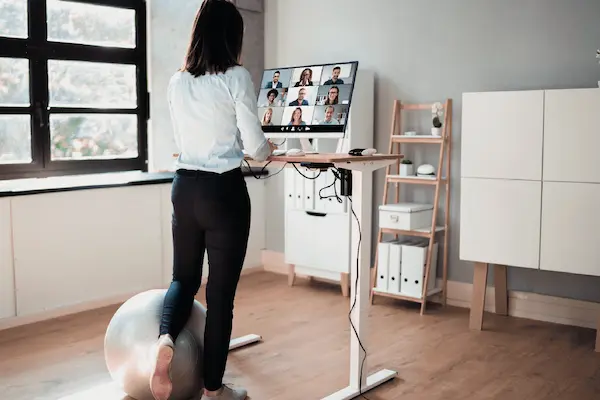
Hours pass between messages, calls, and deadlines, and suddenly your back is stiff, your hips feel locked, and your energy has quietly disappeared.
Many people with a remote job imagine they will use the extra time for an active lifestyle, yet the reality often becomes long sitting marathons with very few movement breaks.
The good news is that you do not need a gym membership, complicated routines, or huge amounts of extra time to feel better in your body while working remotely.
Small, smart fitness habits for remote workers can be woven directly into your home office day, so you stay productive while also protecting your posture, energy, and long term health.
This article offers a conversational, practical guide with clear examples of daily schedules, home office setup ideas, movement blocks you can plug into your day, and simple home friendly exercises you can start even if you feel out of shape right now.
Why Fitness Habits for Remote Workers Matter So Much
Remote work removes commuting and gives you flexibility, yet it also quietly removes built in movement such as walking to transport, climbing stairs, or moving between different rooms and buildings.
When your office is just a few steps from your bed or kitchen, it becomes easy to go from pillow to laptop with almost no movement at all.
Long sitting stretches can contribute to low back discomfort, tight hips, tense shoulders, eye strain, and a feeling of mental fog that makes tasks feel heavier than they really are.
Regular movement breaks and simple home workouts help your circulation, joint comfort, and mood, which in turn support better focus and more stable energy throughout the workday.
Thinking of fitness habits for remote workers as a support system for your brain and your career, rather than as a separate hobby, makes it easier to prioritize them without guilt.
- Short activity breaks can reduce stiffness in the neck, shoulders, and hips, which are heavily affected by home office sitting.
- Gentle exercise improves blood flow to the brain, which often translates into clearer thinking and fewer afternoon crashes.
- An active lifestyle built around small daily moves can support long term health markers, not just physical appearance.
- Movement breaks act like mental resets, helping you step away from screens and return to work with a fresher perspective.
- Simple routines practiced consistently build confidence that you can care for your body, even during busy remote job periods.
Core Principles of Fitness Habits for Remote Workers
Before creating specific routines, it helps to understand a few principles that make fitness habits more realistic for people working from home.
These ideas keep your approach flexible and kind, instead of adding more pressure to your already crowded to do list.
- Think in short blocks rather than long workouts, because ten minutes done consistently beats one rare hour of intense training.
- Attach movement to existing actions like coffee making, meetings, and breaks so that you remember to move without relying purely on motivation.
- Focus on how your body feels and how your energy changes, using comfort and alertness as your main success signals.
- Keep most exercises home friendly, quiet, and space efficient, so that you can use them in a small home office without disturbing neighbors or family.
- Allow flexibility from day to day, planning a structure but accepting that some days will be lighter and others more active.
Once these principles are in mind, every decision about your active lifestyle becomes easier, because you have a clear filter for what actually fits your remote job reality.
Setting Up a Home Office That Encourages Movement
Your room layout quietly shapes your fitness habits, because a home office that traps you in one position all day makes movement breaks feel unnatural and inconvenient.
A small amount of intentional setup can turn your workspace into a gentle reminder to move more often, even if you only have one room to work in.
Basic Room Setup Tips for Remote Workers
- Create clear zones if possible, with one area for focused sitting work, a nearby spot for standing or stretching, and a small open space for simple exercise.
- Keep a chair that allows your feet to rest flat on the floor, with your hips roughly level with or slightly above your knees, which helps your posture and comfort.
- Position your screen at a height where the top is approximately at eye level, reducing the urge to crane your neck forward or downward for long periods.
- Place a yoga mat, folded blanket, or soft rug near your desk so that getting to the floor for mobility work feels easy rather than like a big project.
- Store a small cushion or rolled towel nearby to support your lower back or knees during certain movements and stretches.
Visual Cues That Support Movement Breaks
- Keep a printed mini movement list or simple checklist on your desk where you can see it without opening apps.
- Place a water bottle within reach as a reminder both to hydrate and to stand up when it needs refilling.
- Stick a small note on your monitor frame with a short phrase like move and breathe to gently prompt posture checks and micro breaks.
- Use a timer or calendar reminder to nudge you every sixty to ninety minutes, linking the alert to a quick movement routine.
- Arrange your printer, chargers, or other frequently used items so that you must stand up and walk a few steps to reach them.
With these small tweaks, your home office becomes less of a sitting trap and more of a space that quietly encourages an active lifestyle throughout the day.
Daily Schedule Examples With Movement Blocks
It can be hard to imagine where movement fits when your calendar looks full, so seeing concrete daily schedule examples makes it easier to visualize how fitness habits for remote workers can coexist with real work demands.
The following examples are not strict rules, but flexible templates that you can adjust based on your role, time zone, and personal responsibilities.
Example Schedule for a Classic Nine to Five Remote Job
- 07:30 to 08:00
Wake up, drink water, do a five minute gentle mobility routine for neck, shoulders, and hips before checking messages. - 08:00 to 09:00
Breakfast and light preparation, plus a short walk around your home or outside for five to ten minutes if available. - 09:00 to 10:30
Deep work block seated, with one standing posture check halfway through, including shoulder rolls and a brief stretch. - 10:30 to 10:40
Movement break with marching in place, calf raises, and a few desk push downs or wall push ups. - 10:40 to 12:30
Calls, messages, and focused tasks, standing for part of at least one call if your setup allows. - 12:30 to 13:00
Lunch away from the screen, followed by a relaxed five to ten minute stroll or gentle stretching session. - 13:00 to 15:00
Work block with one two minute movement break every hour, alternating between mobility and strength based moves. - 15:00 to 15:10
Energy rescue break with a short home workout circuit, such as squats to chair, wall push ups, and standing side bends. - 15:10 to 17:00
Final work block, followed by a simple end of day stretch for your back, chest, and hips. - Evening
Optional ten to fifteen minute home workout or walk, depending on how you feel and what your routine allows.
Example Schedule for Flexible Remote Workers
Many remote professionals with flexible hours prefer to batch work and movement differently, using larger exercise blocks and fewer, slightly longer breaks.
- Early morning
Ten to twenty minutes of home friendly exercise, including bodyweight movements and light stretching, before opening work tools. - Late morning
Two to three focused work bursts of forty five to fifty minutes each, separated by five minute movement breaks and hydration. - Midday
Longer pause with a short walk, lunch, and a few gentle mobility moves for hips and shoulders. - Early afternoon
Another deep work block, followed by a micro workout like a quick circuit of squats, wall push ups, and marching. - Late afternoon or early evening
Optional second activity block such as yoga, stretching, dancing, or a home workout if your energy feels good.
Seeing these layouts shows that fitness habits for remote workers are less about finding a perfect time and more about placing several small movement anchors across the day.
Movement Break Ideas You Can Use Between Tasks
Movement breaks do not need to look like formal workouts, and in fact the most useful ones often feel so quick and simple that you barely notice you did them until your body starts feeling better.
Short bursts of movement, sometimes called movement snacks, fit naturally into a home office day and can be adapted to your clothing, energy, and space.
One Minute Movement Breaks
- Stand up, roll your shoulders ten times, stretch your arms overhead, and take three slow breaths.
- March in place beside your desk, lifting your knees to a comfortable height and letting your arms swing naturally.
- Perform heel raises while holding the back of your chair for balance, lifting and lowering your heels slowly.
- Gently twist your torso right and left while seated or standing, moving within a comfortable range only.
- Look away from your screen toward a distant point while you stretch your neck in gentle side bends.
Three to Five Minute Movement Breaks
- Walk around your home or hallway, including a few large arm swings and deep breaths as you go.
- Do a mini circuit of ten squats to chair, ten wall push ups, and ten standing side bends, then repeat if time allows.
- Use the edge of a bed, sofa, or sturdy chair for inclined push ups combined with gentle hip circles.
- Perform a short stretching sequence for chest, hips, and lower back using doorways, walls, and a mat.
- Try a quiet dance break to one song, choosing small, comfortable moves that feel fun and energizing.
Movement Breaks During Remote Meetings
- Stand during at least part of audio only calls, shifting your weight between feet and gently moving your shoulders.
- Keep your camera off when appropriate and walk slowly in place during longer listening segments.
- Use mute and brief pauses to stretch your wrists, forearms, and neck without drawing attention.
- After each meeting, take thirty to sixty seconds for one posture reset, including shoulder rolls and deep breaths.
- Schedule a dedicated movement break directly after back to back calls to avoid hours of uninterrupted sitting.
Linking specific movement breaks to work events helps you remember them automatically, which is essential for keeping an active lifestyle during a busy remote job.
Home Friendly Exercise Ideas for Remote Professionals
Beyond quick breaks, many remote workers like having a few simple home workouts they can repeat several times a week without equipment or complex planning.
Bodyweight exercises and low impact moves are usually ideal, because they are quiet, space efficient, and easy to adapt.
Beginner Friendly Bodyweight Circuit
- Warm up with two minutes of marching in place and shoulder circles, breathing steadily.
- Perform ten chair squats or sit to stand repetitions, using a chair for safety and control.
- Do eight to ten wall push ups, keeping your body in a strong line and moving slowly.
- Complete ten heel raises while holding a chair or wall for balance, pausing briefly at the top.
- Finish one round with gentle standing side bends and neck stretches for thirty to sixty seconds.
Try one or two rounds of this circuit on several days each week, keeping the whole session under fifteen minutes, which fits easily before work, at lunch, or after your last task.
Quiet Mat Routine for Shared Spaces
- Start with cat and cow movements on hands and knees, slowly rounding and arching your back for eight to ten repetitions.
- Move into a gentle glute bridge by lying on your back, bending your knees, lifting your hips slightly, and lowering with control for eight to twelve repetitions.
- Perform a dead bug variation by lifting one arm and the opposite foot slightly off the floor, alternating sides with slow controlled movement for eight repetitions each side.
- Stretch your hips and lower back with a comfortable knee to chest hold, alternating legs and breathing calmly.
- Finish with a brief relaxation, lying still for one to two minutes and noticing your breath and bodily sensations.
This type of routine is especially helpful at the end of the remote job day, because it eases the transition from work mode to rest mode while supporting an active lifestyle.
Micro Home Workouts for Time Pressured Days
- Three minute routine with twenty chair squats, fifteen wall push ups, and a short stretch.
- Five minute routine with marching in place, lunges or step backs, and standing calf raises.
- Simple staircase routine if available with two to three flights walked at an easy pace.
- Kitchen counter workout while waiting for food, combining push ups, heel raises, and hip circles.
- Bedside routine before sleep with light stretching for shoulders, hips, and lower back.
Combining these small options with longer sessions on more relaxed days gives you many ways to stay active without feeling locked into one rigid plan.
Posture and Desk Habits That Support an Active Lifestyle
Movement matters, yet the way you sit and stand between movement breaks also affects your comfort and energy, especially in a home office where you may not have professional ergonomic furniture.
A few simple posture habits can make a big difference without requiring complex adjustments.
Simple Sitting Tips for Remote Workers
- Keep both feet supported on the floor or a stable platform instead of letting them dangle.
- Sit back so that your lower back touches the chair, adding a small cushion or rolled towel if extra support feels helpful.
- Allow your knees to be at or slightly below hip height, which can reduce strain on your lower back.
- Relax your shoulders so they are not creeping toward your ears, and let your elbows rest comfortably near your sides.
- Change position regularly, because even good posture becomes uncomfortable if held without movement for too long.
Standing and Walking Tips in a Home Office
- When standing to work or talk, distribute your weight evenly between both legs rather than leaning heavily on one side.
- Allow a soft bend in your knees and avoid locking them straight for long periods.
- Imagine gentle length from your tailbone through the top of your head instead of forcing an exaggerated chest out position.
- Let your arms swing naturally when you walk to releases tension in the shoulders and upper back.
- Use comfortable shoes or supportive slippers if you spend long periods standing on hard floors.
Blending these posture ideas with regular movement breaks reinforces your fitness habits for remote workers and helps reduce the sensation of being chained to your chair all day.
How to Turn Ideas Into Real Habits
Knowing what to do is helpful, yet real change happens when these home office fitness ideas become automatic parts of your day rather than occasional experiments.
Habit strategies can make the difference between good intentions and a truly more active lifestyle.
Habit Strategies for Remote Workers
- Start with one or two core habits, such as a five minute morning routine and one afternoon movement break, instead of trying to change everything at once.
- Attach each habit to a clear trigger like after first coffee, before lunch, or after last meeting.
- Use a simple checklist or weekly habit tracker to mark movement breaks, giving your brain a small reward every time you complete one.
- Keep routines short and flexible at first, allowing your confidence and consistency to grow before adding more.
- Plan for imperfect days by deciding in advance on a tiny bare minimum, such as one minute of stretching when the schedule gets very tight.
Motivation and Mindset Shifts
- View movement as a tool to improve focus and comfort in your remote job rather than as another separate task competing for time.
- Notice small positive changes, such as less stiffness, better mood after breaks, or clearer thinking during afternoon calls.
- Allow yourself to adjust routines without guilt when life events, deadlines, or health issues temporarily change your capacity.
- Celebrate any week where you moved more than the week before, even if the change feels modest.
- Remember that an active lifestyle grows from many small steps repeated consistently, not from one perfect week.
With this mindset, fitness habits for remote workers become a gentle support rather than a strict standard you must meet all the time.
Simple Weekly Plan for Remote Workers Who Want to Move More
To make everything even more concrete, it helps to see how a full week might look when you commit to steady but realistic movement while working from home.
- Two or three days include a short home workout of ten to twenty minutes using bodyweight exercises and stretching.
- Every workday includes at least two movement breaks of three to five minutes each, placed in the late morning and mid afternoon.
- One or two days include a longer walk or outdoor session if your location and schedule allow for it.
- Even on rest days, you practice light mobility for five minutes, staying familiar with gentle joint movements.
- At the end of the week, you take five minutes to reflect on what felt good, what was challenging, and what you want to keep or change next week.
This simple structure leaves plenty of room for meetings, deadlines, and personal life while still supporting fitness habits for remote workers who want to break up long sitting hours.